
Chile
Chile
Stretching along South America’s Pacific coast, Chile is a land of breathtaking contrasts, where the arid landscapes of the Atacama Desert give way to ancient temperate rainforests, glacial fjords and the magnificent mountains of Patagonia.
In the south, Torres del Paine National Park offers some of the world’s finest opportunities to observe wild pumas, with guanacos grazing beneath towering granite peaks and Andean condors soaring overhead. Further north, the forests of Chiloé shelter rare and elusive mammals, including Darwin’s fox, the tiny pudu deer and the secretive kodkod wildcat, while the surrounding Pacific waters attract blue whales and other marine wildlife.
Beyond the forests, the Atacama Desert and high Andean wetlands reveal another extraordinary world, where flamingos gather on shimmering salt lagoons and vicuñas roam beneath snow-capped volcanoes.
A Land of Contrasts.
CHILE JOURNEY INSPIRATION
Our travel network specialises in tailormade holidays and carefully selected small-group journeys, with a focus on responsible wildlife travel. Wherever possible, we favour lower-impact experiences, locally owned or community-connected accommodation, and operators whose work supports conservation and local livelihoods.
Below you’ll find a selection of suggested trips, with price guides, combining destinations, camps and lodges that we think work particularly well together. There are many more possibilities, so these are intended simply as a starting point.
When you’re ready to explore your options, please complete an enquiry form. We’ll put you in touch with the most relevant specialist partner team, who can discuss your interests and budget and either tailor an itinerary for you or recommend the most suitable small-group departure.
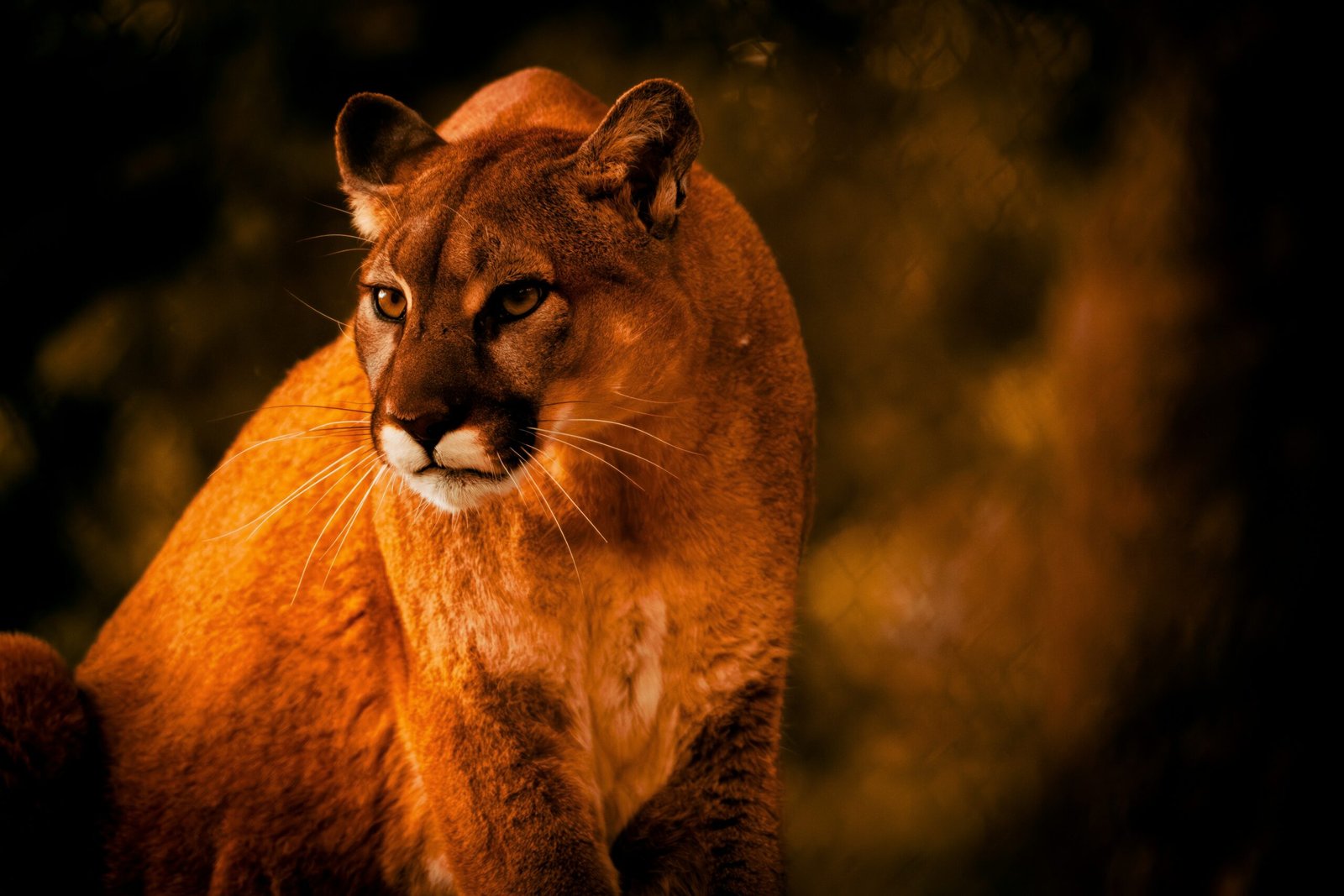
Experience the spectacular wilderness of Chilean Patagonia on this specialist small-group journey, combining exceptional puma-watching opportunities with the magnificent landscapes and diverse wildlife of Torres del Paine National Park.
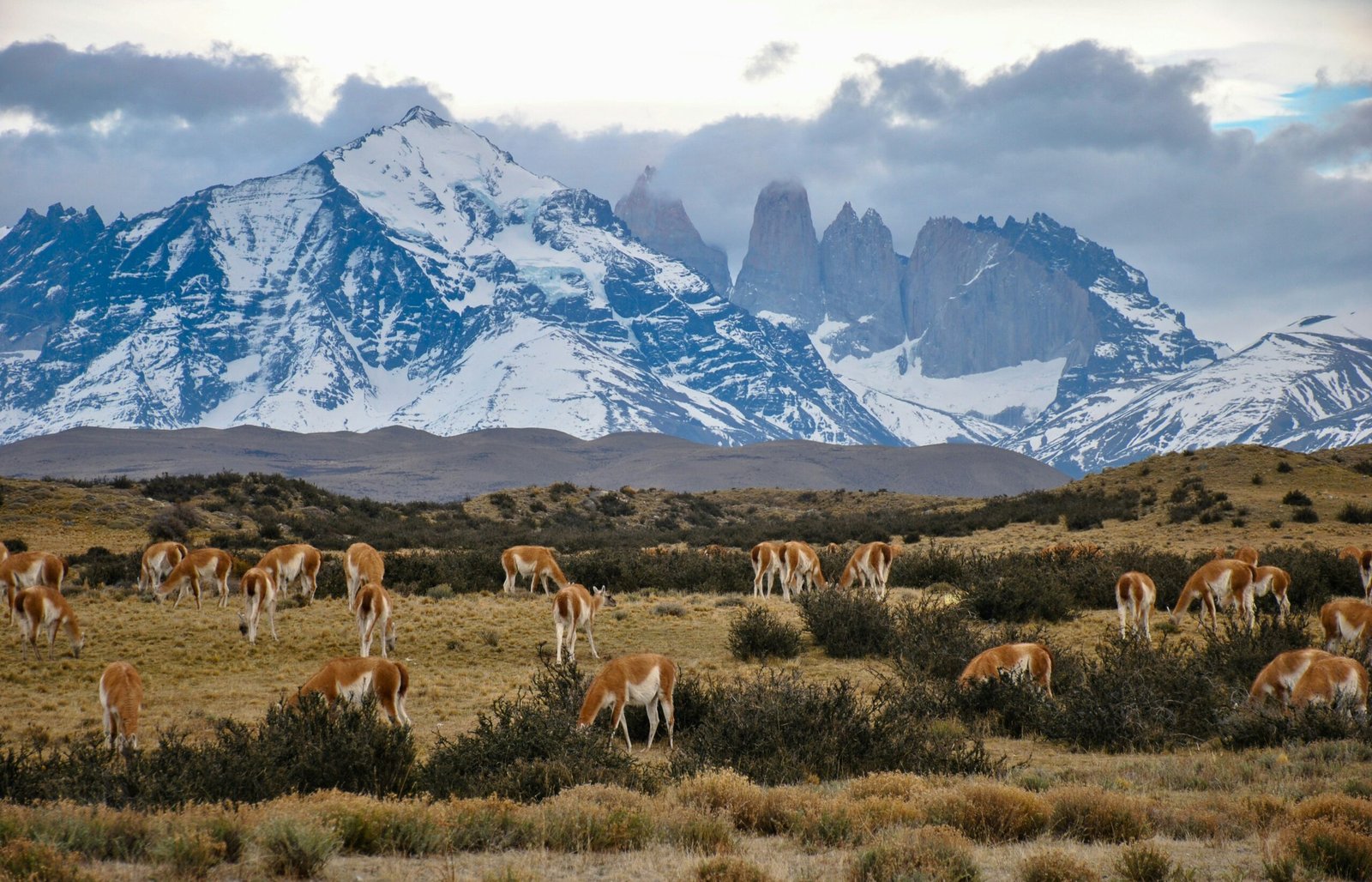
Beneath towering granite peaks, vast herds of guanacos graze across the open Patagonian steppe, watched by one of South America’s most impressive predators. Accompanied by expert naturalist guides and dedicated wildlife trackers, explore the neighbouring ranchlands of Laguna Amarga, one of the world’s finest locations for observing wild pumas in their natural habitat.
Beyond the excitement of puma tracking, discover the park’s remarkable variety of wildlife, from Andean condors and Magellanic woodpeckers to foxes, rheas and the elusive huemul deer. With time to explore ancient forests, turquoise lakes and the magnificent Grey Glacier, this is an unforgettable journey through one of South America’s most beautiful wilderness regions.
Days 1–2: Journey to Punta Arenas
Depart the UK on an overnight flight to Santiago, continuing south to Punta Arenas, gateway to Chilean Patagonia.
Situated beside the Strait of Magellan, Punta Arenas has a fascinating maritime history and a dramatic setting overlooking the waters separating mainland South America from Tierra del Fuego.
On arrival, transfer to Hotel Boutique La Yegua Loca, a characterful hotel offering comfortable accommodation and views across the city and strait.
Meet your fellow travellers and naturalist guide over dinner, with an introduction to the wildlife encounters and landscapes awaiting you.
Day 3: Torres del Paine National Park
Travel north towards Torres del Paine National Park, passing through southern beech forests and the expansive grasslands of Patagonia.
Keep watch for guanacos, Darwin’s rheas and South American grey foxes as the spectacular granite mountains of Torres del Paine appear on the horizon.
The national park protects an extraordinary range of habitats, from open steppe and mountain lakes to ancient forests, glaciers and rugged Andean peaks. It is particularly renowned for its pumas, which hunt the abundant guanacos grazing across the eastern grasslands.
Begin your three-night stay at Estancia El Ovejero, a traditional Patagonian property in Cerro Castillo. Accommodation is simple but comfortable, with en-suite rooms, welcoming communal spaces and hearty regional cuisine.
Its location provides convenient access to the neighbouring ranchlands of Laguna Amarga, the focus of the next two days.
Days 4–5: Puma Tracking at Laguna Amarga
Spend two full days searching for wild pumas on the private ranchlands of Laguna Amarga, an extensive 7,000-hectare property bordering Torres del Paine National Park.
This remarkable landscape is considered one of the world’s finest locations for observing pumas. Generations of these normally elusive cats have become accustomed to the presence of researchers and wildlife trackers, creating exceptional opportunities to observe their natural behaviour.
Accompanied by experienced local trackers, explore the open grasslands, rocky slopes and valleys by vehicle and on foot. Early starts allow you to make the most of the wildlife activity, with time spent scanning the landscape for signs of pumas.
Large herds of guanacos provide an important food source for the resident cats. Their alert behaviour and distinctive alarm calls can sometimes reveal the presence of a nearby predator.
Once a puma is located, your guides will help you observe from a respectful distance, perhaps watching an individual resting among the rocks, moving through the grassland or searching for prey.
There are also opportunities to encounter other Patagonian wildlife, including foxes, rheas, birds of prey and Andean condors soaring above the mountains.
Return each evening to Estancia El Ovejero.
Puma tracking involves walking across uneven terrain, sometimes for several hours, so a reasonable level of fitness is required. Wildlife sightings cannot be guaranteed.
Day 6: Exploring Torres del Paine
Leave Cerro Castillo and travel deeper into Torres del Paine National Park, following scenic roads through some of Patagonia’s most spectacular landscapes.
The journey offers opportunities to stop at lakes, viewpoints and wildlife-rich areas, with the dramatic Paine Massif providing a magnificent backdrop.
Your base for the next four nights is Hotel Lago Grey, beautifully situated beside Lago Grey, with views towards the surrounding mountains and glacier.
The hotel offers comfortable en-suite accommodation, a restaurant and welcoming communal areas with large windows overlooking the extraordinary scenery.
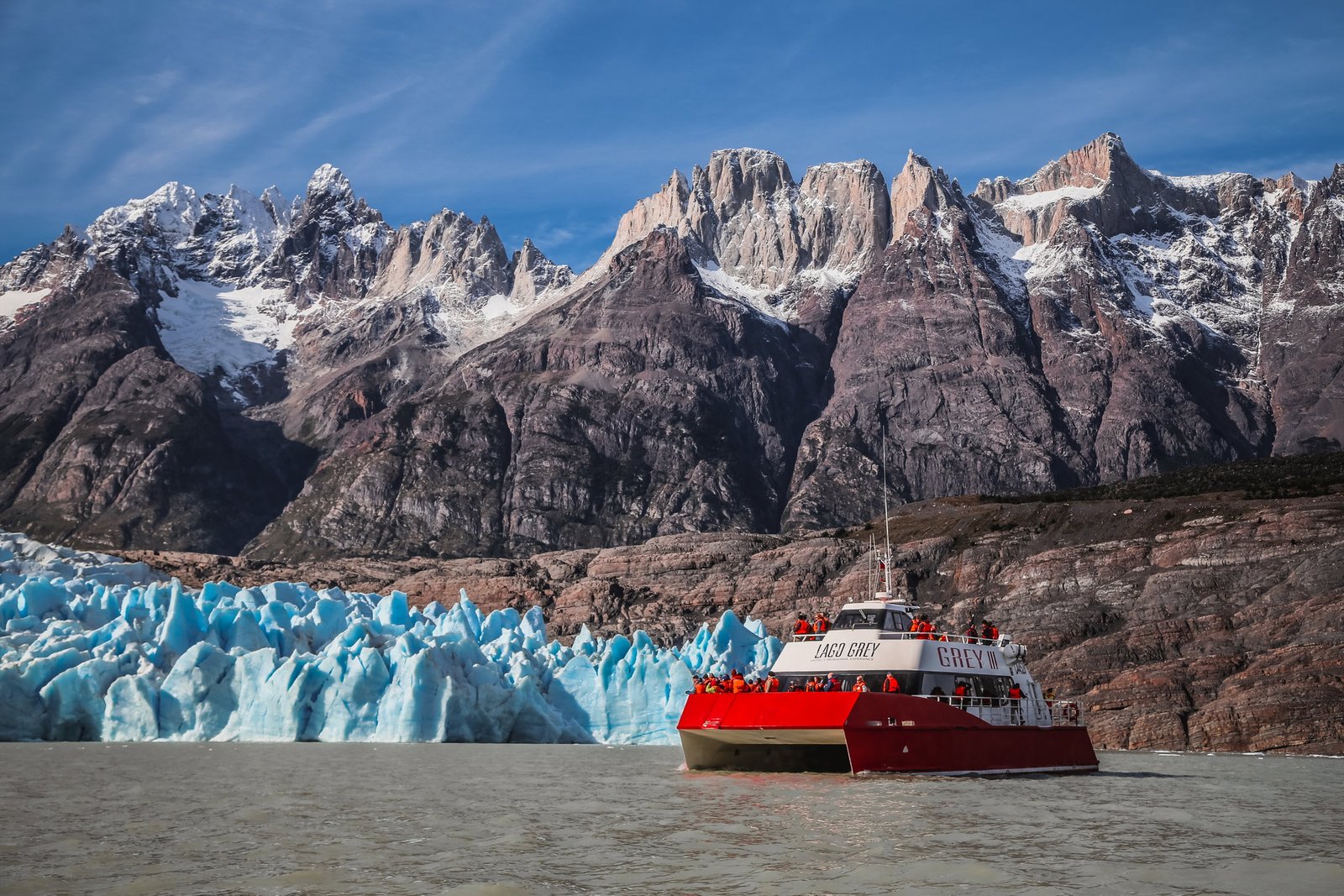 Image: Grey Glacier, Hotel Lago Grey
Days 7–9: Wildlife, Mountains & Grey Glacier
Enjoy three full days exploring the remarkable landscapes and wildlife of Torres del Paine National Park.
The park’s varied habitats support a fascinating collection of mammals and birds. Across the open grasslands, watch for guanacos, Darwin’s rheas, South American grey foxes and Patagonian hog-nosed skunks.
The surrounding mountains are home to Andean condors, black-chested buzzard eagles and other birds of prey, while lakes and wetlands attract grebes, ducks, swans and colourful waterbirds.
In areas of southern beech forest, look for Magellanic woodpeckers, austral parakeets and, with considerable luck, the endangered huemul, a rare native deer associated with the southern Andes.
Your naturalist guide will help identify wildlife and explore the relationships between different species and habitats, with plenty of opportunities for photography and enjoying the spectacular scenery.
A highlight is a boat excursion on Lago Grey, travelling towards the magnificent Grey Glacier. Part of the vast Southern Patagonian Ice Field, this immense glacier descends between rugged mountains into the turquoise lake, where floating icebergs provide a striking contrast to the surrounding landscape.
Return each evening to Hotel Lago Grey.
Day 10: Andean Condors at Estancia Olga Teresa
Leave Torres del Paine and travel south towards Punta Arenas, keeping watch for wildlife along the way.
In the afternoon, visit Estancia Olga Teresa, where the cliffs of Cerro Palomares provide an important roosting site for Andean condors.
Travel up the hillside before making a short walk to a viewpoint overlooking the birds’ favoured roosting areas.
Here, there may be opportunities to watch these magnificent birds soaring past at eye level as they return to the cliffs. With wingspans approaching three metres, Andean condors are among the world’s largest flying birds, and observing them against the Patagonian mountains is a memorable experience.
Continue to Punta Arenas for your evening flight to Santiago.
Overnight at Holiday Inn Santiago Airport Terminal, conveniently located beside the airport.
Days 11–12: Return to the UK
Transfer to Santiago International Airport for your return flight to the UK, arriving the following day.
Responsible travel
This itinerary explores the protected landscapes of Torres del Paine National Park and the neighbouring private ranchlands of Laguna Amarga, where wildlife watching provides opportunities to appreciate Patagonia’s remarkable natural heritage.
At Laguna Amarga, specialist puma tracking takes place with experienced local guides who understand the behaviour of these remarkable predators. Wildlife is observed at respectful distances, allowing visitors to watch pumas in their natural habitat while helping minimise disturbance.
The itinerary also introduces travellers to the wider ecology of Torres del Paine, where protected grasslands, wetlands and southern beech forests support guanacos, huemul deer, Andean condors and many other native species.
Visits to the Grey Glacier and the condor roosting areas at Estancia Olga Teresa provide further opportunities to learn about Patagonia’s wildlife, habitats and the importance of conserving these extraordinary landscapes.
The tour is led by Patricio Arevalo, a Chilean naturalist born and raised in Punta Arenas, with more than a decade of experience exploring Patagonia’s wild landscapes. His extensive guiding experience in Torres del Paine, Tierra del Fuego and the remote fjords of southern Chile brings valuable local knowledge and insight to the journey.
Why we like this trip
An exceptional choice for travellers wanting to experience wild pumas in one of the world’s most spectacular natural settings, with dedicated wildlife tracking and time to explore the wider landscapes of Torres del Paine.
We particularly like the two full days of specialist puma tracking at Laguna Amarga, where experienced local trackers provide opportunities for observing these elusive cats on foot. The extended stay within Torres del Paine adds a wonderful variety of wildlife and scenery, from guanacos and Andean condors to ancient forests, turquoise lakes and the magnificent Grey Glacier.
The combination of expert naturalist guiding, exceptional wildlife photography opportunities and dramatic Patagonian scenery makes this a particularly rewarding journey for committed wildlife enthusiasts.
Price Guide
Per person sharing: 12 days from £9,395 per person including return international flights from the UK.
- This 12-day small-group wildlife tour operates on scheduled departures.
- The trip starts and ends in Santiago, with return international flights from the UK and domestic flights within Chile included.
- The group is led by Patricio Arevalo, an experienced specialist naturalist guide, and local puma trackers.
- A reasonable level of fitness is required, with puma-tracking walks sometimes covering two to three miles over uneven terrain.
Departure Dates
2027
- 23 March 2027 – from £9,395 per person
2028
- 16 February 2028 – from £10,395 per person
- 3 March 2028 – from £10,395 per person
All departures are on request, with availability and final pricing subject to confirmation.
Includes
- Return international flights from the UK
- Domestic flights within Chile
- Accommodation as indicated
- Transfers and transport within Chile
- Guided wildlife excursions and activities
- Two full days of specialist puma tracking at Laguna Amarga
- Boat excursion to Grey Glacier
- Guided visit to Estancia Olga Teresa for Andean condor watching
- Services of an expert naturalist guide and local wildlife trackers
Excludes
- Travel insurance
- Gratuities
- Drinks unless stated
- Personal expenses
ENQUIRE
Discover some of Chile’s rarest and most elusive wildlife on this specialist small-group expedition, travelling from the ancient temperate rainforests of Chiloé Island to the wild landscapes of Tierra del Fuego and Torres del Paine National Park.
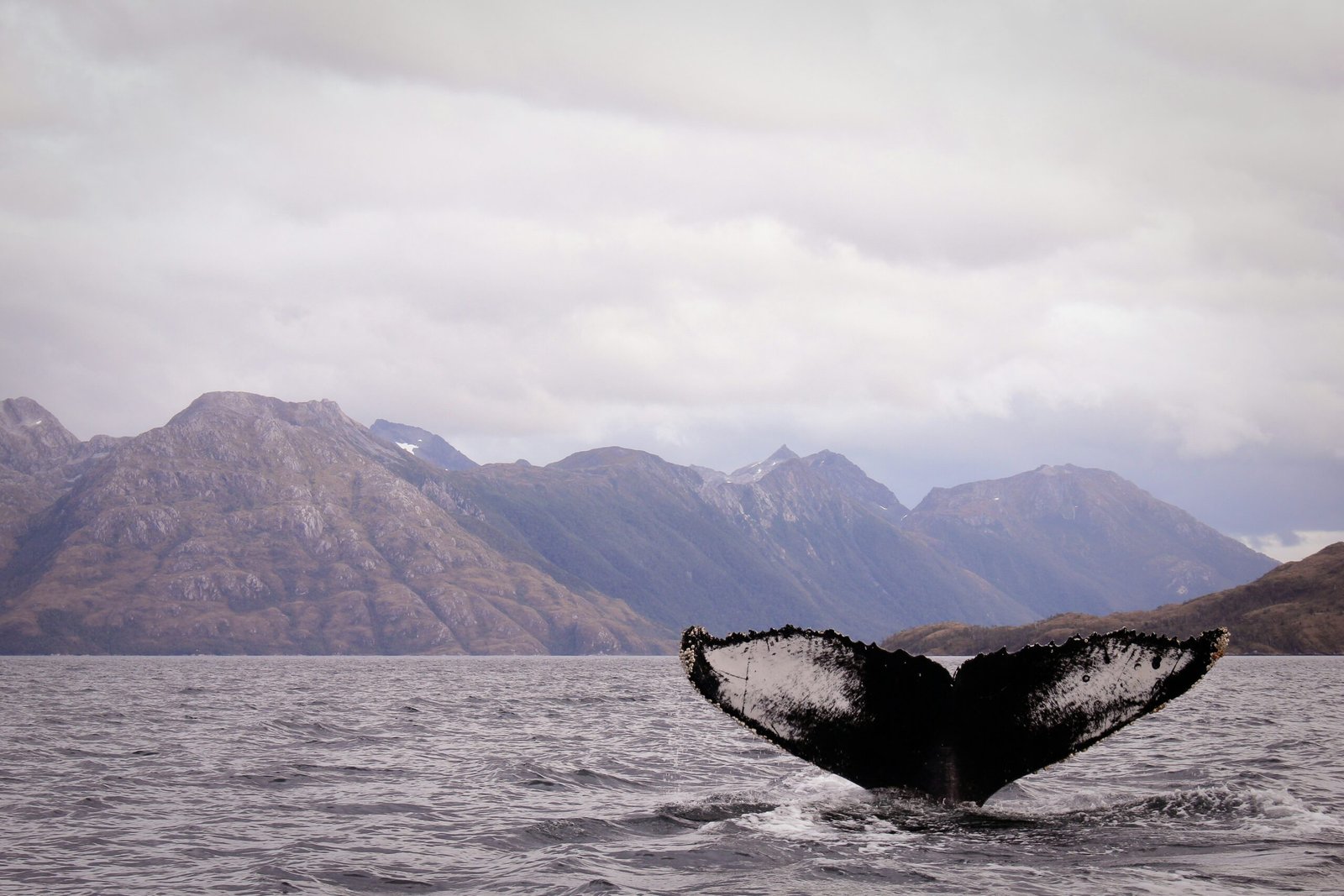
In the forests of Chiloé, search for Darwin’s fox, the diminutive kodkod wildcat and southern pudu, one of the world’s smallest deer. Offshore, the Pacific waters offer opportunities to encounter Chilean dolphins, endangered marine otters, penguins and, with luck, magnificent blue whales.
Further south, visit the king penguin colony on Tierra del Fuego before exploring the spectacular mountains and open steppe of Torres del Paine. Here, two days are devoted to tracking wild pumas with experienced local guides, completing a remarkable journey through some of South America’s most distinctive wildlife habitats.
The tour is led by David Couve, an experienced naturalist, wildlife photographer and author based in Tierra del Fuego. With a particular interest in Patagonia’s rare mammals and wild cats, David brings extensive field experience and valuable local insight to this remarkable wildlife journey.
Days 1–2: Journey to Puerto Montt
Depart the UK on an overnight flight to Chile, travelling via Santiago to Puerto Montt, gateway to the beautiful Lake District and Chiloé Island.
On arrival, meet your naturalist guide and transfer to Hotel Presidente for your first night.
Days 3–4: Chiloé Island & Parque Tepuhueico
Cross the Chacao Channel to Chiloé Island, where rolling farmland gives way to dense temperate rainforest, sheltered inlets and a rugged Pacific coastline.
Travel to Parque Tepuhueico, a privately protected forest reserve and one of Chile’s most rewarding locations for searching for rare woodland mammals.
Spend time exploring the forest with your specialist guide, looking for Darwin’s fox, a small and endangered canid found only in a few isolated populations, and the elusive kodkod, one of the smallest wild cats in the Americas.
The forest also shelters southern pudu, tiny deer that move quietly through the dense vegetation. These animals can be exceptionally difficult to see, making every encounter particularly special.
Birdlife is equally fascinating, with opportunities to observe chucao tapaculos, huet-huets, Magellanic woodpeckers and other species associated with Chile’s ancient rainforests.
Stay for two nights at Hotel Tepuhueico, surrounded by the forest.
Day 5: Yaldad Inlet & Southern Chiloé
Travel south across Chiloé towards the coastal town of Quellón, exploring the island’s attractive landscapes and traditional rural communities along the way.
Take a boat excursion into Yaldad Inlet, searching for the endemic Chilean dolphin, a small and relatively little-known species found in the sheltered coastal waters of southern Chile.
The surrounding bays also support a variety of seabirds, shorebirds and waterfowl.
Continue to Hotel Parque Quilquico for a two-night stay.
Day 6: Puñihuil Islands & Blue Whale Watching
Spend the day exploring Chiloé’s spectacular Pacific coastline, visiting the offshore islands of Puñihuil and Metalqui.
The Puñihuil Islets are renowned for their breeding colonies of Magellanic and Humboldt penguins, while rocky shores provide important habitat for the endangered marine otter.
Look for sea lions, fur seals, cormorants, steamer ducks and other seabirds gathering around the islands.
Further offshore, the waters around Chiloé are an important feeding area for blue whales, the largest animals ever to have lived. Although sightings depend on conditions and good fortune, the possibility of encountering one of these ocean giants is an unforgettable prospect.
Return to Hotel Parque Quilquico for the evening.
Day 7: Chepu River & Puerto Varas
Explore the tranquil waterways of the Chepu River, searching for the rare southern river otter, another of Chile’s most threatened mammals.
The surrounding forests and wetlands also offer rewarding birdwatching, with possibilities including rufous-tailed hawks and slender-billed parakeets.
Continue to Caulín Bay, an important feeding area for migratory shorebirds, before crossing back to the mainland.
Travel to the attractive lakeside town of Puerto Varas, overlooking Lake Llanquihue and the surrounding volcanoes.
Overnight at Hotel Cabañas del Lago.
Day 8: Reloncaví Gulf & Punta Arenas
Enjoy a morning boat excursion on the Reloncaví Gulf, searching for the unusual Pincoya storm petrel, a seabird associated with the coastal waters of southern Chile.
Return to Puerto Montt for your flight south to Punta Arenas, beside the historic Strait of Magellan.
Overnight at Hotel Diego de Almagro.
Day 9: Tierra del Fuego & King Penguins
Cross the Strait of Magellan by ferry to Tierra del Fuego, a remote landscape of open grasslands, windswept coastline and scattered wetlands.
Travel to Bahía Inútil, where a protected reserve supports a remarkable breeding colony of king penguins.
These magnificent birds, with their distinctive golden-orange markings, are more commonly associated with sub-Antarctic islands, making their presence here especially fascinating.
The surrounding area also supports a rich variety of birdlife, including steamer ducks, geese, cormorants and other coastal species.
Overnight at Hotel Barlovento.
Day 10: Tierra del Fuego to Torres del Paine
Spend the morning exploring more of Tierra del Fuego, looking for wildlife adapted to its exposed grasslands and coastal habitats.
Cross the Strait of Magellan back to mainland Chile, keeping watch for Commerson’s dolphins during the ferry journey.
Continue north towards Torres del Paine National Park, passing through vast Patagonian landscapes where guanacos, Darwin’s rheas, Chilean flamingos and foxes may be encountered.
The magnificent granite peaks of Torres del Paine provide a dramatic backdrop as you approach the park.
Begin your three-night stay at Hostería Pehoé, beautifully situated amid the park’s mountain scenery.
Days 11–12: Puma Tracking in Torres del Paine
Spend two full days searching for wild pumas in and around Torres del Paine National Park, one of the world’s finest locations for observing these normally elusive predators.
With experienced local trackers, explore the neighbouring private ranchlands of Laguna Amarga, where pumas hunt among the large herds of guanacos that graze across the open steppe.
Travel by vehicle and on foot, scanning rocky slopes and grasslands for signs of puma activity. Encounters are conducted at respectful distances, allowing opportunities to observe natural behaviour and photograph the animals without unnecessary disturbance.
Continue wildlife watching within Torres del Paine National Park, where guanacos, Andean condors, grey foxes and Patagonian hog-nosed skunks are among the many species that inhabit this magnificent landscape.
If conditions and sightings allow, there may also be time to explore southern beech forests in search of Magellanic woodpeckers, austral parakeets and the elusive huemul deer.
Return each evening to Hostería Pehoé.
Day 13: Return to Santiago
Leave Torres del Paine and travel south to Punta Arenas for your domestic flight to Santiago.
Overnight at Holiday Inn Santiago Airport, conveniently located for your onward journey.
Days 14–15: Return to the UK
Transfer to Santiago International Airport for your return flight, arriving in the UK the following day.
Responsible travel
This itinerary explores several of Chile’s most important wildlife habitats, combining the protected temperate rainforests of Chiloé with the coastal ecosystems of southern Chile and the magnificent landscapes of Torres del Paine National Park.
On Chiloé Island, Parque Tepuhueico is a private conservation initiative protecting ancient Valdivian rainforest, an important refuge for threatened species including Darwin’s fox, kodkod and southern pudu. Specialist naturalist guiding offers opportunities to appreciate these elusive animals and understand the pressures facing their forest habitats.
In Torres del Paine, guided puma tracking takes place on private ranchland and within the national park, with wildlife observed at respectful distances. The surrounding protected landscapes provide important habitat for guanacos, Andean condors, foxes and other native species.
The itinerary includes entrance fees to parks and reserves and a conservation fund contribution, while local naturalist expertise encourages a deeper understanding of Chile’s wildlife and the importance of protecting its remaining wild habitats.
Why we like this trip
An exceptional choice for travellers with a particular interest in rare mammals and specialist wildlife watching, exploring some of Chile’s most distinctive and contrasting ecosystems.
We especially like the time spent searching for Darwin’s fox, kodkod and southern pudu in the ancient forests of Chiloé, together with opportunities to encounter marine otters, dolphins, penguins and possibly blue whales. The journey south to Tierra del Fuego and the dedicated puma tracking in Torres del Paine add a wonderful variety of wildlife and landscapes.
Travelling with David Couve, whose knowledge of Patagonia’s mammals and birds adds another dimension to the experience, is a particular attraction. With a small group of just five to eight travellers and visits to important conservation areas, this is a rewarding journey for wildlife enthusiasts and photographers who appreciate the excitement of searching for elusive species.
Price Guide
Per person sharing: 15 days from £9,595 per person including return international flights from the UK.
- This 15-day specialist small-group tour operates on scheduled departures.
- Group size is limited to 5–8 travellers.
- The trip starts in Puerto Montt and finishes in Santiago, with international flights from the UK included.
- The tour is led by David Couve, an experienced locally based naturalist, wildlife photographer and author, supported by specialist local wildlife guides and trackers.
- A reasonable level of fitness is recommended for forest walks and puma tracking.
Departure Dates
2027
- 10 February 2027 – from £9,595 per person
- 24 February 2027 – from £9,595 per person
Departures are subject to availability and final pricing confirmation.
Includes
- Return international flights from the UK
- Domestic flights within Chile
- Twelve nights’ hotel accommodation
- All meals
- Transfers and transport within Chile
- Guided wildlife excursions and activities as specified
- Boat excursions for marine wildlife watching
- Guided puma tracking in Torres del Paine
- Entrance fees to parks and reserves
- Services of David Couve and specialist local wildlife guides
- Conservation fund contribution
Excludes
- Travel insurance
- Gratuities
- Drinks unless stated
- Personal expenses
- Optional activities not included in the itinerary
ENQUIRE
Discover the extraordinary contrasts of Chile’s landscapes and wildlife on this tailormade journey, travelling from the otherworldly deserts and volcanic peaks of the far north to the magnificent mountains and glaciers of Patagonia.
Explore the vast Atacama Desert, where sculpted rock formations, steaming geysers and shimmering salt flats create some of South America’s most remarkable scenery. Venture into the high Andes to discover the beautiful lagoons and grasslands of Lauca National Park, home to vicuñas, flamingos, vizcachas and specialist mountain wildlife.
The journey concludes in Torres del Paine National Park, where granite towers rise above turquoise lakes and the wild Patagonian steppe. Here, stay at the innovative EcoCamp Patagonia, whose distinctive geodesic domes provide a memorable base for exploring this spectacular wilderness.
Combining exceptional scenery, fascinating wildlife and contrasting environments, this is a wonderful introduction to the sheer diversity of Chile.
Day 1: Arrive in Santiago
Arrive in Santiago, Chile’s lively capital, framed by the snow-capped Andes.
You will be met at the airport and transferred to your hotel before joining a guided afternoon tour of the city. Explore Santiago’s historic centre and discover a little of Chile’s culture and history before your journey into the country’s wild landscapes begins.
Overnight at Plaza El Bosque San Sebastian.
Day 2: Santiago to the Atacama Desert
Fly north to Calama, gateway to the extraordinary Atacama Desert, and continue by road to the oasis town of San Pedro de Atacama.
In the afternoon, explore the remarkable landscapes of Valle de la Luna, or Moon Valley, where wind and erosion have sculpted a surreal world of sandstone formations, salt-encrusted ridges and sweeping desert valleys.
The immense scale and unusual colours of the desert provide a striking introduction to one of the driest regions on Earth.
Begin your three-night stay at Hotel Kimal, a welcoming property in San Pedro de Atacama, conveniently located for exploring the surrounding desert.
Day 3: El Tatio Geysers
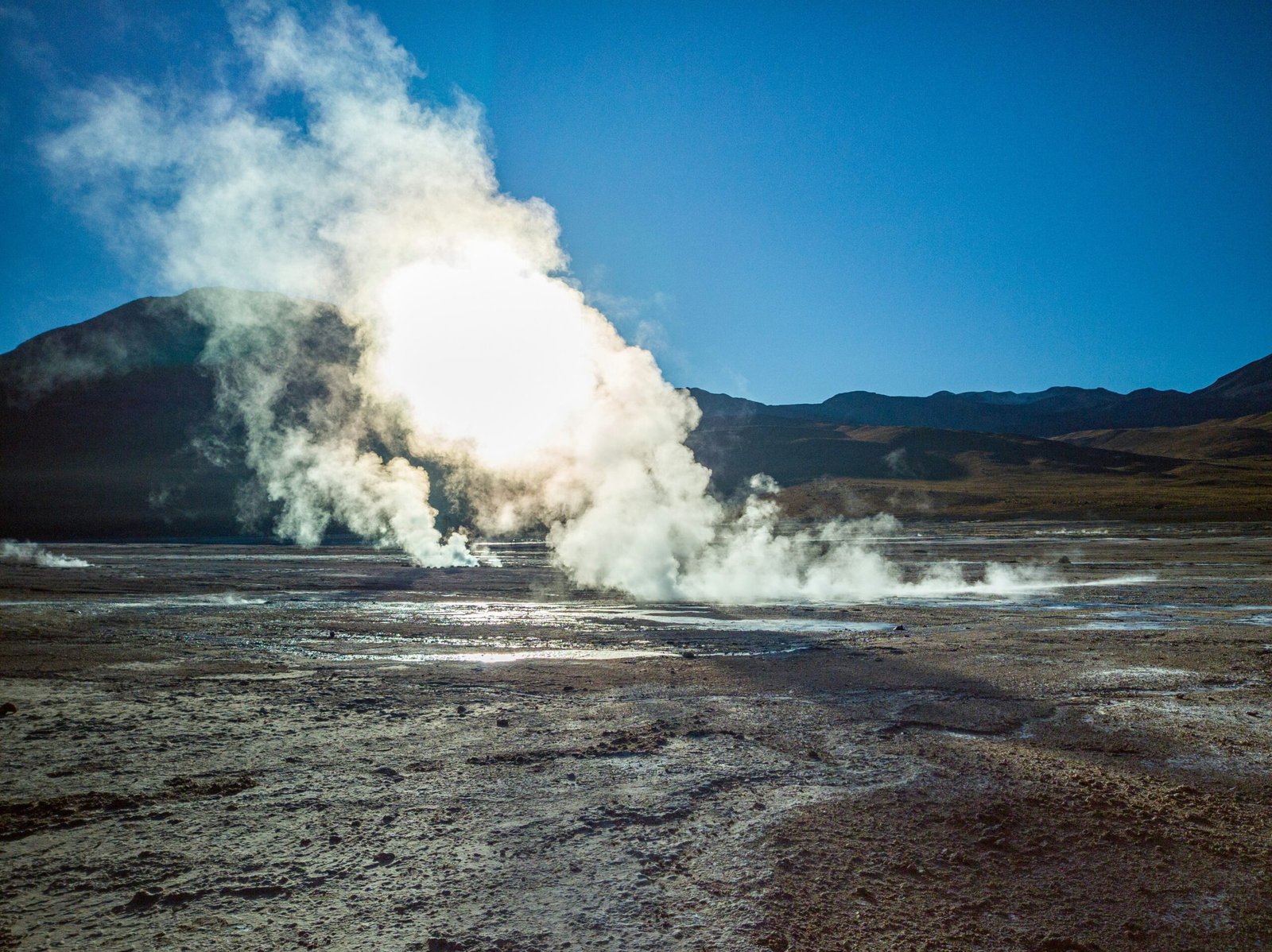
An early departure takes you high into the Andes to experience the remarkable El Tatio Geysers, one of the world’s great high-altitude geothermal fields.
As the morning sun rises, columns of steam drift across the volcanic landscape, creating an extraordinary spectacle against the surrounding mountains.
Explore the geothermal area with your guide, observing bubbling pools and steaming vents before enjoying the journey back towards San Pedro de Atacama.
Keep watch for wildlife along the way. Despite the harsh conditions, the Andean highlands support species specially adapted to life at altitude, including vicuñas and a variety of mountain birds.
Return to Hotel Kimal, with the afternoon free to relax after the early start.
Day 4: Altiplano Lagoons
Travel into the magnificent Andean Altiplano, a high-altitude landscape of volcanic mountains, open grasslands and beautiful mountain lakes.
Visit the spectacular lagoons of Miscanti and Miñiques, set beneath towering volcanic peaks at approximately 4,500 metres above sea level.
These fragile mountain ecosystems support specialised plants and wildlife adapted to the extreme conditions. Look for high-altitude birds and other wildlife while enjoying the immense views across this remote landscape.
Enjoy lunch in the traditional Andean village of Socaire, where local agricultural practices and cultural traditions remain an important part of everyday life.
Return to San Pedro de Atacama for your final night at Hotel Kimal.
Day 5: Arica & the Andean Foothills
Leave San Pedro de Atacama and travel to Calama for your flight north to Arica, close to the Peruvian border.
From Arica, begin the journey into the Andean foothills towards Putre, a small mountain settlement surrounded by dramatic high-altitude landscapes.
En route, visit the fertile Azapa Valley, known for its olive groves and archaeological heritage, including evidence of some of South America’s earliest coastal cultures.
As the road climbs into the mountains, the vegetation and scenery change dramatically, offering a fascinating introduction to the habitats of northern Chile.
Overnight at Terrace Lodge in Putre.
Day 6: Lauca National Park
Spend the day exploring Lauca National Park, one of Chile’s most spectacular yet less frequently visited wildlife destinations.
Situated high in the Andes, close to the Bolivian border, Lauca protects an immense landscape of grasslands, wetlands, volcanic mountains and high-altitude lakes.
Visit beautiful Lake Chungará, overlooked by the snow-capped Parinacota Volcano, where extraordinary scenery provides a backdrop to some of Chile’s most fascinating wildlife.
Look for vicuñas, wild relatives of the llama, grazing across the open plains. Guanacos and alpacas may also be encountered, while rocky areas provide habitat for vizcachas, unusual rabbit-like rodents closely related to chinchillas.
The park is particularly rewarding for birdwatching, with opportunities to observe Chilean and Andean flamingos, Andean geese, coots and other high-altitude species around its lakes and wetlands.
After a full day exploring this remarkable protected landscape, return to Arica.
Overnight at Hotel Casa Beltran.
Day 7: Journey to Patagonia
Fly south from Arica, connecting through Santiago to Punta Arenas, gateway to Chilean Patagonia.
Situated beside the Strait of Magellan, Punta Arenas has a fascinating maritime history and offers a striking introduction to the landscapes of southern Chile.
The contrast with the arid northern deserts could hardly be greater. Here, cool winds sweep across the southern grasslands, with distant mountains and waterways leading towards Tierra del Fuego.
Overnight at Hotel Rey Don Felipe.
Day 8: Torres del Paine National Park
Travel north through Patagonia towards Torres del Paine National Park, passing through the attractive town of Puerto Natales.
En route, visit Cueva del Milodón, a remarkable cave where remains of the extinct giant ground sloth were discovered, providing a fascinating glimpse into Patagonia’s prehistoric wildlife.
Continue towards Torres del Paine, where vast grasslands, turquoise lakes and towering granite peaks combine to create one of South America’s most beautiful landscapes.
The park is home to a fascinating variety of wildlife, including guanacos, Andean condors, South American grey foxes and pumas, alongside numerous birds inhabiting its grasslands, wetlands and forests.
Begin your three-night stay at EcoCamp Patagonia, an innovative wilderness retreat situated within the national park.
Days 9–10: Exploring Torres del Paine
Enjoy two full days surrounded by the spectacular landscapes of Torres del Paine National Park, exploring its mountains, lakes, grasslands and ancient forests.
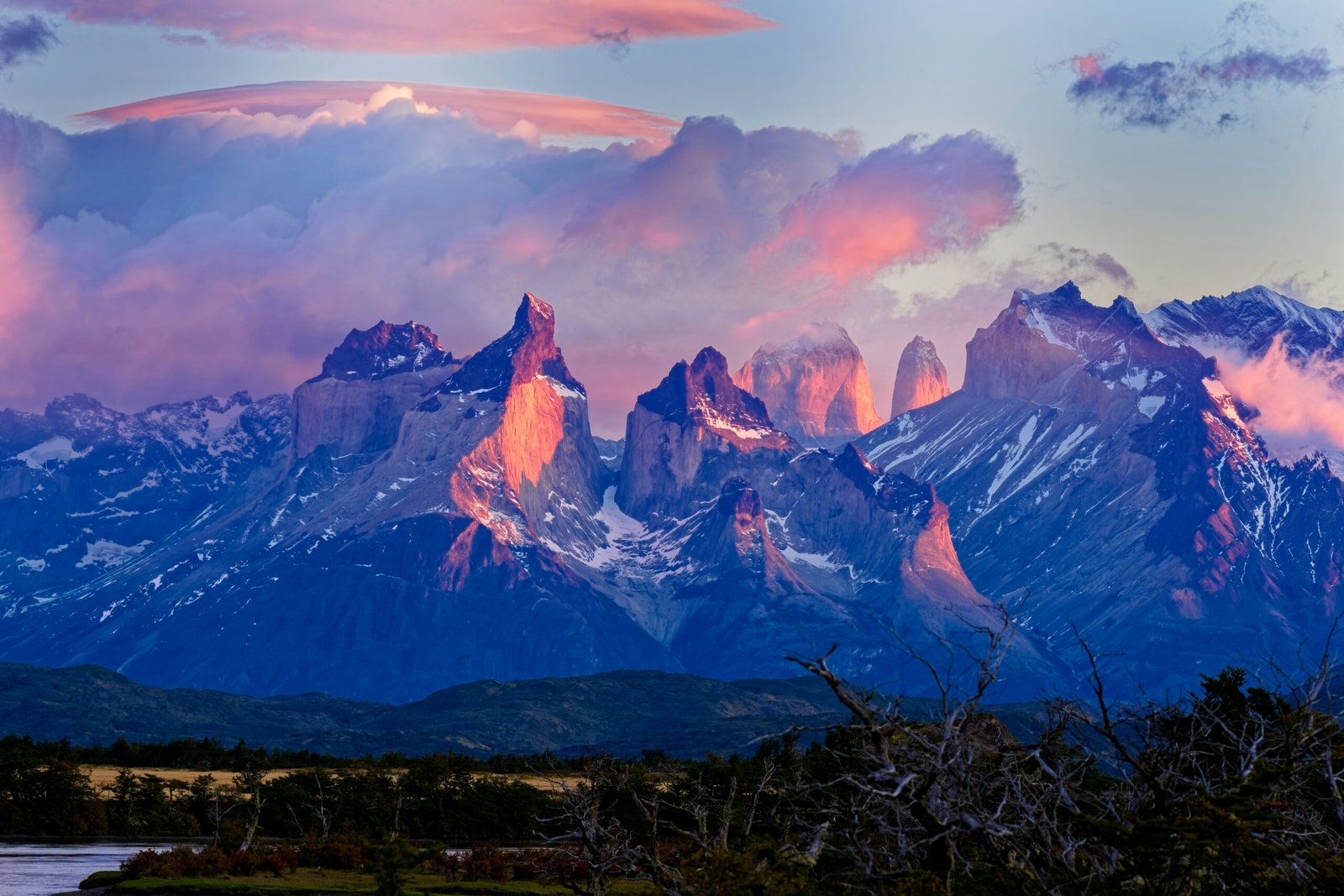
The distinctive granite towers of the Paine Massif dominate the landscape, rising above glacial valleys and bright blue lakes.
Wildlife watching is particularly rewarding across the open Patagonian steppe, where large herds of guanacos graze beneath the mountains. Keep watch for Andean condors soaring overhead, foxes moving through the grasslands and the many waterbirds inhabiting the park’s lakes and wetlands.
Pumas also inhabit Torres del Paine, although encounters are unpredictable. Travellers with a particular interest in these magnificent predators can discuss adding specialist wildlife-watching excursions when tailoring the holiday.
Your accommodation at EcoCamp Patagonia is a highlight in itself. Its distinctive geodesic domes, designed to withstand the challenging Patagonian climate while reducing environmental impact, provide an unusual and memorable way to experience the wilderness.
Enjoy the comfort of your surroundings after days spent exploring one of the most spectacular national parks in South America.
Day 11: Return to Punta Arenas
Leave Torres del Paine and travel back through the dramatic landscapes of southern Patagonia towards Punta Arenas.
The journey offers further opportunities to appreciate the region’s expansive scenery and perhaps encounter guanacos, rheas or other Patagonian wildlife along the way.
Overnight at Hotel Rey Don Felipe.
Day 12: Santiago
Fly from Punta Arenas to Santiago for your final night in Chile.
Return to Plaza El Bosque San Sebastian, with the remainder of the day free to relax or explore the capital.
Day 13: Departure
Transfer to Santiago International Airport for your onward journey.
This is a suggested tailormade itinerary and can be adapted to suit your interests, preferred accommodation and travel dates.
 Responsible travel
This journey introduces travellers to some of Chile’s most remarkable and environmentally sensitive landscapes, from the fragile ecosystems of the Atacama Desert and high Andes to the protected wilderness of Torres del Paine National Park.
In Lauca National Park, the conservation of high-altitude wetlands, grasslands and volcanic landscapes provides important habitat for vicuñas, flamingos, vizcachas and other species specially adapted to the demanding Andean environment.
Further south, Torres del Paine National Park, a UNESCO Biosphere Reserve, protects a remarkable variety of Patagonian habitats, supporting guanacos, pumas, Andean condors and many other native species.
A particular feature of this itinerary is the stay at EcoCamp Patagonia, whose innovative geodesic domes are designed to minimise their environmental footprint while providing comfortable accommodation within the national park.
By exploring these landscapes with knowledgeable local guides and staying in accommodation that places an emphasis on environmental responsibility, travellers gain a greater appreciation of Chile’s extraordinary natural heritage and the importance of protecting its wild places.
Why we like this trip
Few journeys illustrate Chile’s extraordinary geographical diversity quite so vividly.
We particularly like the contrast between the otherworldly landscapes of the Atacama Desert, the wildlife-rich high-altitude wetlands of Lauca National Park, and the immense mountains and glacial lakes of Torres del Paine.
Lauca is a particular highlight. Often overlooked on more conventional Chile itineraries, it offers some of the country’s finest opportunities to observe vicuñas, flamingos and other specialist Andean wildlife against a spectacular volcanic backdrop.
The three-night stay at EcoCamp Patagonia adds another memorable dimension, offering an unusual and environmentally conscious accommodation experience amid the magnificent scenery of Torres del Paine.
For travellers wanting to discover the sheer variety of Chile’s landscapes and wildlife, rather than concentrating exclusively on one region or species, this is a particularly appealing journey.
Price Guide
Per person sharing: 13 days from £5,595 per person excluding international flights.
Our specialist travel partners can arrange international flights from the UK as required.
- This 13-day tailormade itinerary can be adapted to suit your interests and preferred travel dates.
- October to April is generally the recommended period for combining northern Chile with Patagonia.
- The trip starts and ends in Santiago, with domestic flights between the featured regions.
- Travel in the Atacama and Lauca regions involves high altitude, including excursions above 4,000 metres. Travellers should be comfortable with the effects of altitude and the potentially cold conditions.
- Additional wildlife experiences and alternative accommodation can be discussed when tailoring the itinerary.
Includes
The itinerary can be tailored to individual requirements. The proposed arrangements feature:
- Accommodation as indicated in the itinerary
- Domestic travel between Santiago, Calama, Arica and Punta Arenas
- Transfers between the featured destinations
- Guided excursions in the Atacama region and Lauca National Park
- A three-night stay at EcoCamp Patagonia
- A selection of excursions and activities as described in the itinerary
The exact meal arrangements, excursion inclusions and entrance fees will be confirmed in your personalised quotation.
Excludes
- International flights from the UK
- Travel insurance
- Gratuities
- Drinks and meals not included in the final quotation
- Optional activities and additional excursions
- Personal expenses
ENQUIRE
CHILE GUIDE
You’ll find a short guide below.
To start planning a trip to Chile please contact us via the Enquiry Form, by email on info@realworldconservation.org.uk or on 01692 218189.
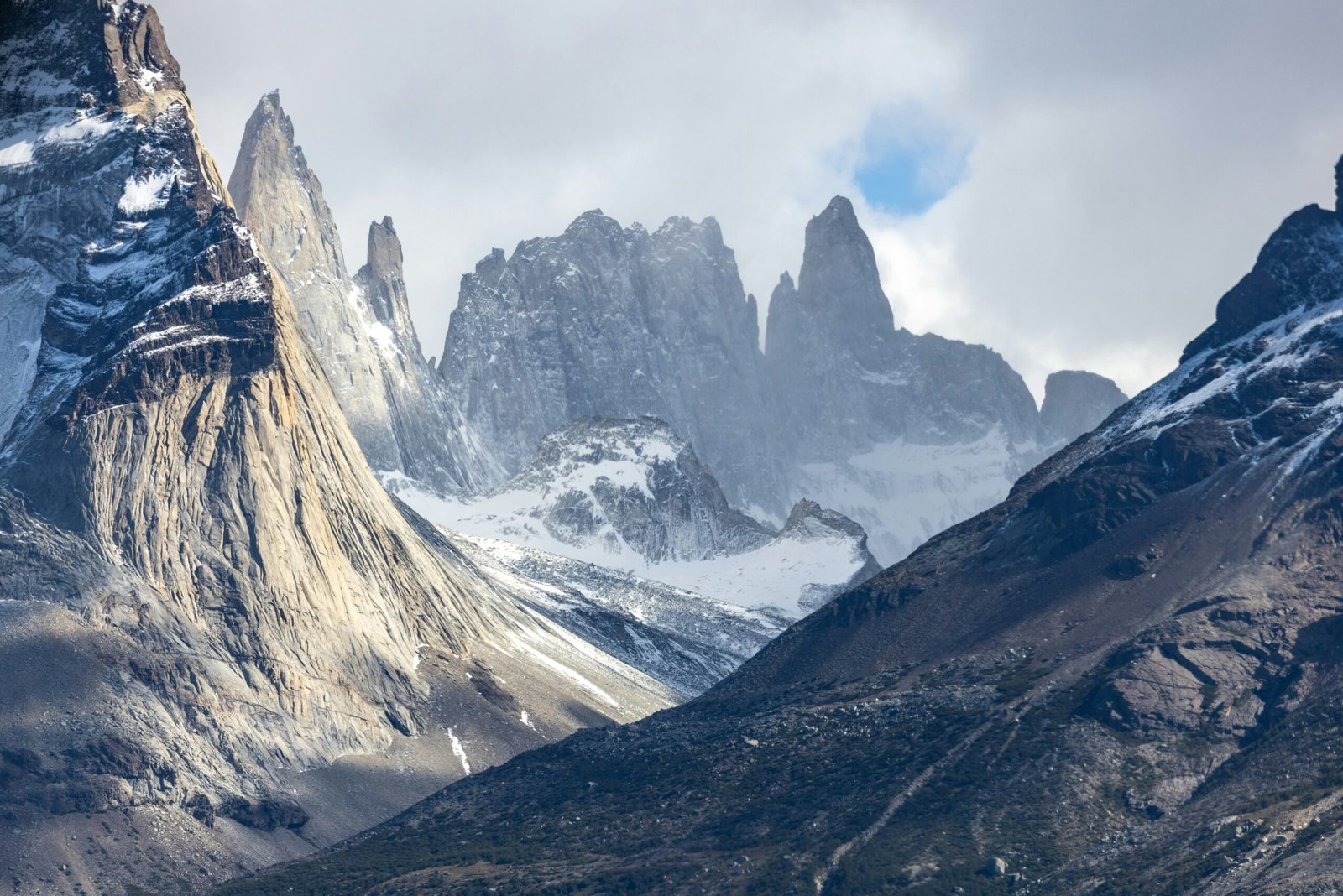 In the far south of Chile, Torres del Paine National Park is one of Patagonia’s most spectacular protected landscapes. Towering granite peaks rise above turquoise lakes, ancient glaciers, southern beech forests and vast grasslands where guanacos graze beneath the mountains.
The park and surrounding ranchlands have become internationally celebrated for their wild pumas. The open terrain and abundant guanacos make this one of the finest places in the world to observe these normally elusive predators.
Specialist tracking excursions around Laguna Amarga offer opportunities to follow pumas with experienced local guides, observing their natural behaviour at respectful distances.
Other wildlife includes Andean condors, South American grey foxes, Darwin’s rheas, Patagonian hog-nosed skunks and the rare huemul deer. The forests provide habitat for Magellanic woodpeckers, while the park’s lakes attract numerous waterbirds.
Beyond the wildlife, a boat excursion towards the magnificent Grey Glacier reveals another extraordinary side of this rugged wilderness.
When to go: November to March offers long daylight hours and generally more accessible conditions for exploring Patagonia. February and March are particularly attractive for wildlife watching, although pumas can be observed throughout the year. The region is famously windy, and weather can change quickly in any season.
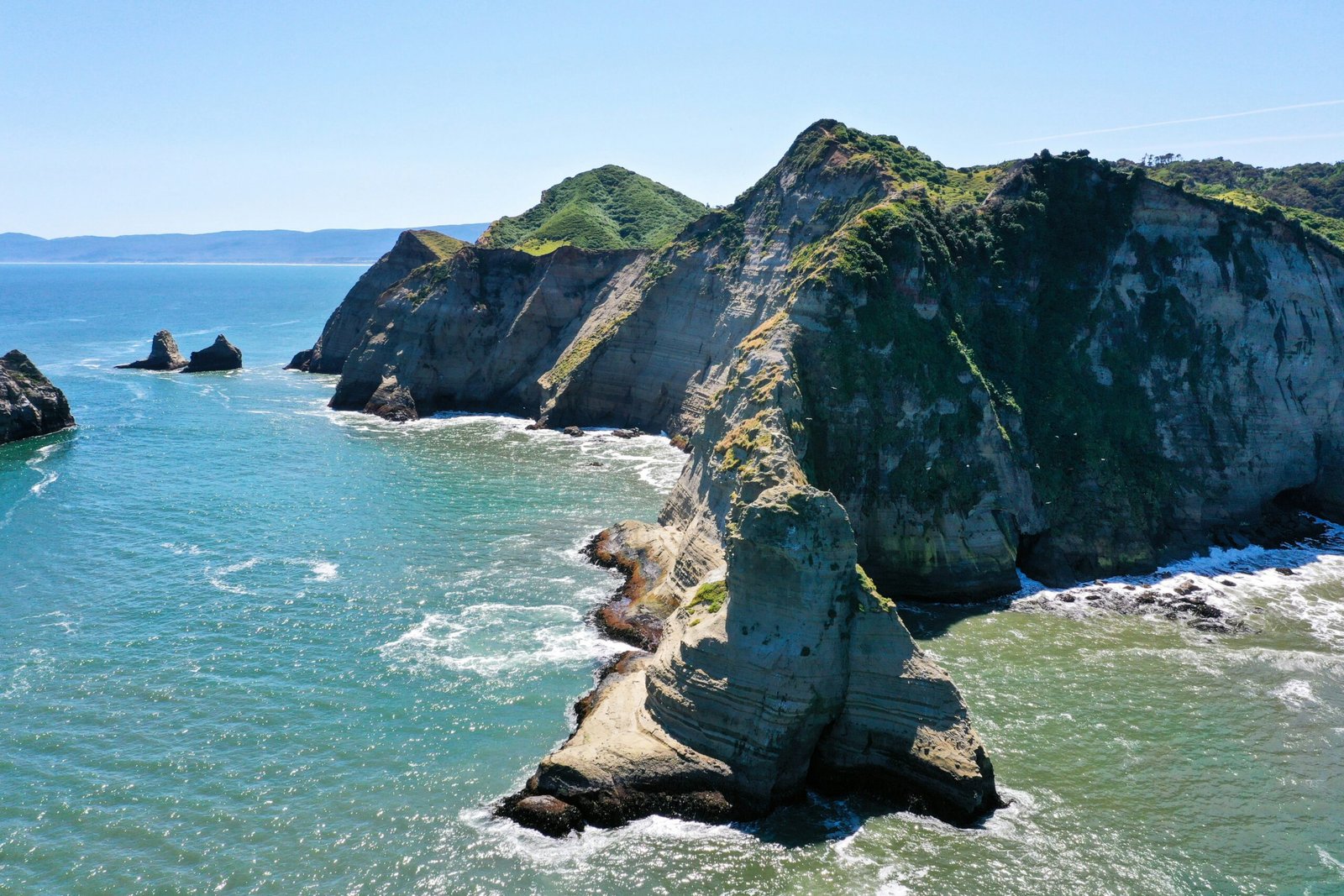
Off Chile’s southern Pacific coast, Chiloé Island is a fascinating combination of traditional fishing communities, sheltered waterways, rugged beaches and ancient temperate rainforest.
Its forests are home to some of Chile’s rarest mammals, including Darwin’s fox, a small, endangered canid, and the kodkod, one of the world’s smallest wild cats.
The island also shelters the southern pudu, a diminutive deer that moves quietly through dense forest vegetation, often remaining almost invisible among the ferns and undergrowth.
Protected forest areas such as Parque Tepuhueico offer specialist wildlife-watching opportunities, with local naturalists helping visitors search for these elusive species.
Chiloé’s surrounding waters are equally fascinating. The Puñihuil Islands support colonies of Magellanic and Humboldt penguins, while the coastal waters provide habitat for endangered marine otters, Chilean dolphins and numerous seabirds.
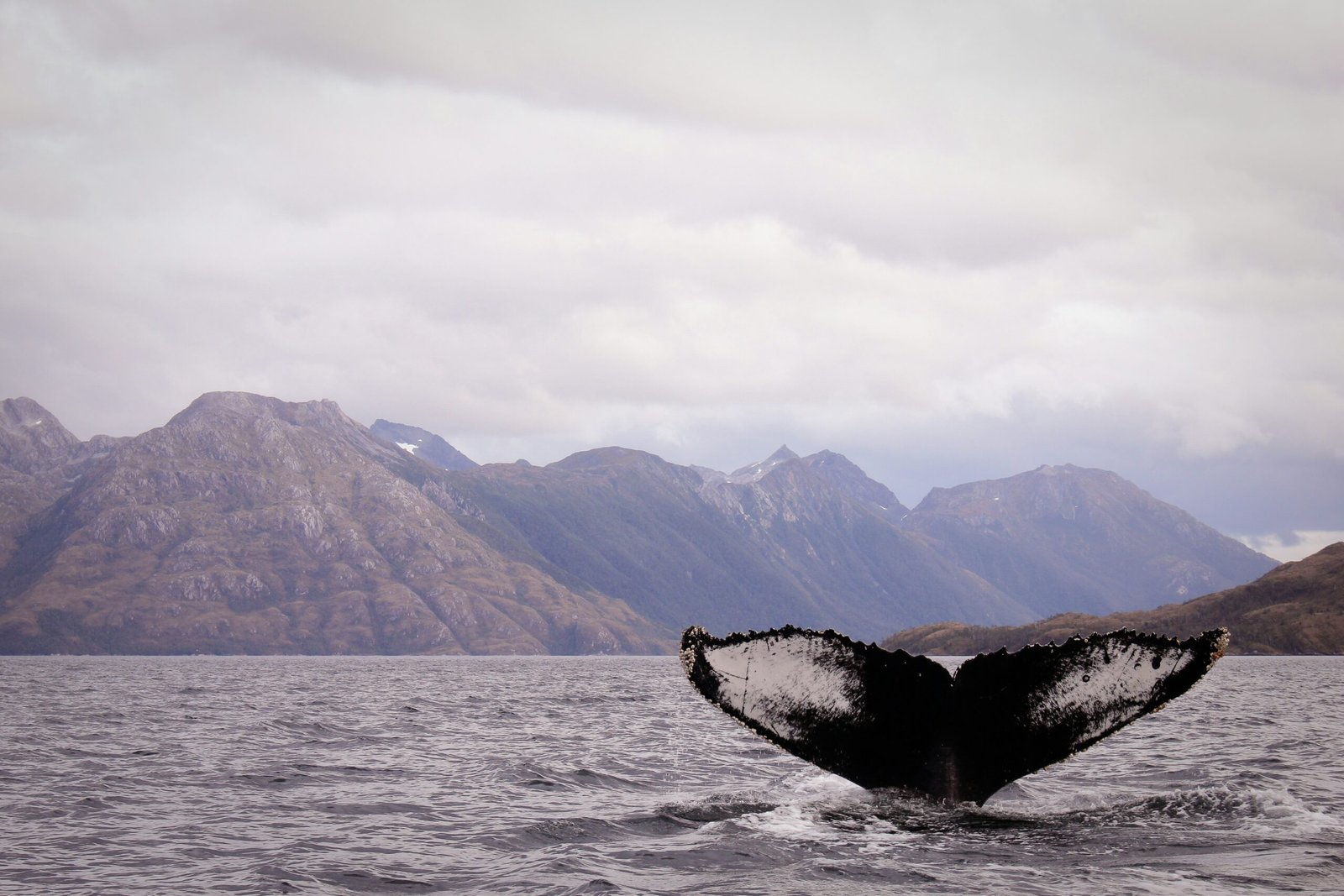
Further offshore, the rich feeding grounds of the Chiloé region attract blue whales, the largest animals ever to have lived.
When to go: December to March is particularly appealing for visiting Chiloé, with generally milder conditions and good opportunities for marine wildlife watching. Blue whale sightings are most likely during the austral summer, particularly January to March. Penguin colonies are generally most active between October and March. Rain is possible throughout the year.
Separated from mainland Chile by the Strait of Magellan, Tierra del Fuego is a remote and windswept landscape of rolling grasslands, wetlands and dramatic coastlines.
The island is particularly celebrated for the king penguin colony at Bahía Inútil, where visitors can observe these magnificent birds within a privately protected nature reserve.
With their distinctive golden-orange markings and upright posture, king penguins are more commonly associated with remote sub-Antarctic islands, making this colony especially remarkable.
The surrounding landscapes support guanacos, foxes, rheas and numerous bird species, while the waters of the Strait of Magellan provide opportunities to encounter Commerson’s dolphins and other marine wildlife.
Nearby Punta Arenas, a historic port overlooking the strait, serves as an important gateway to Tierra del Fuego and the national parks of southern Patagonia.
When to go: November to March generally offers the most comfortable conditions for exploring Tierra del Fuego, although strong winds remain common. King penguins can be observed during the reserve’s visitor season, which generally runs from October to May. Access and excursions depend on weather and local operating conditions.
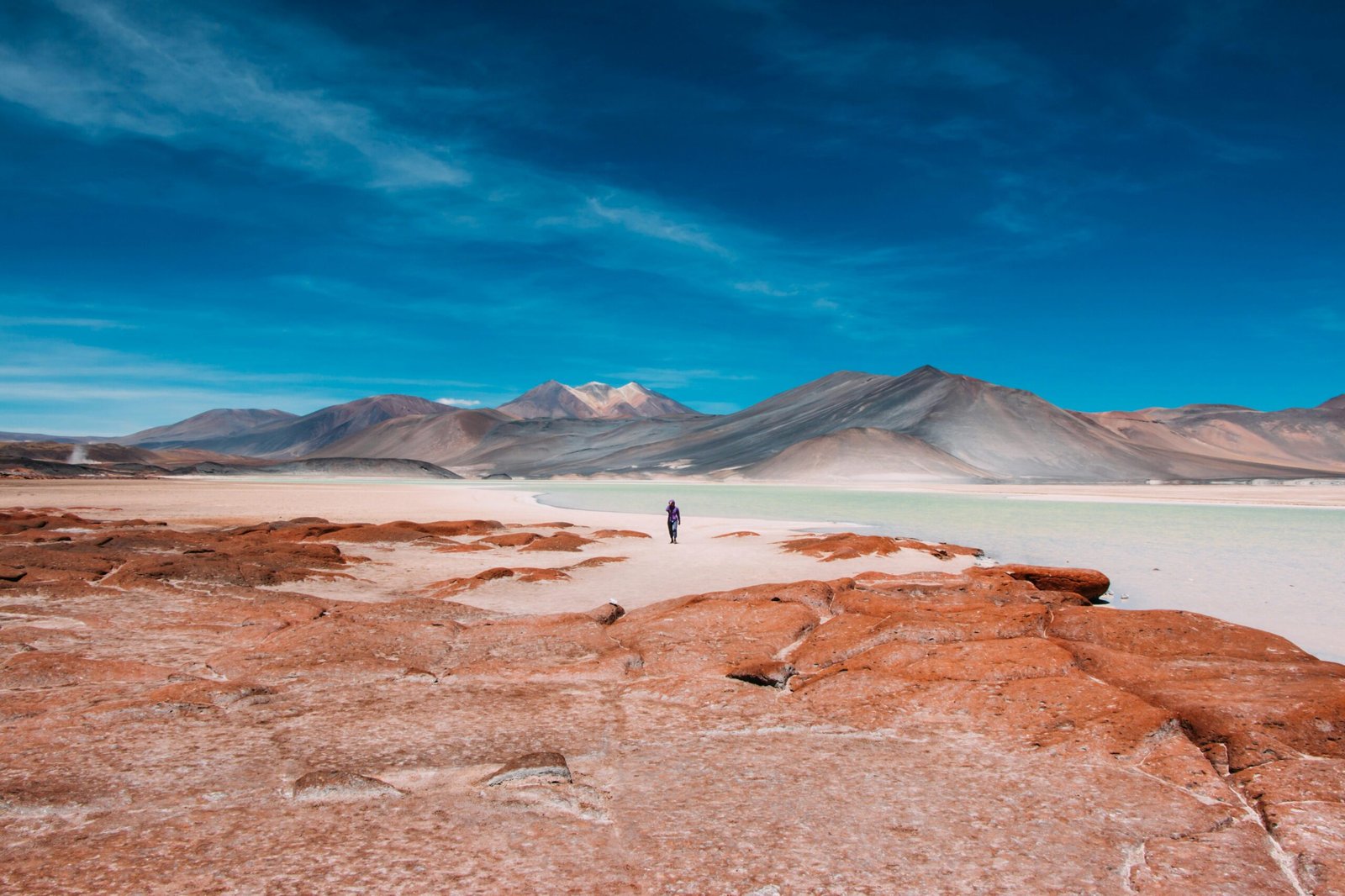
In northern Chile, the Atacama Desert presents a dramatic contrast to the forests and glaciers of the south.
Among the driest places on Earth, the region is characterised by vast salt flats, sculpted rock formations, high-altitude lagoons and towering volcanoes.
The small oasis town of San Pedro de Atacama provides a base for exploring highlights such as Valle de la Luna, the spectacular El Tatio Geysers and the beautiful Miscanti and Miñiques lagoons.
Although much of the desert appears almost lifeless, its wetlands and mountain habitats support surprisingly varied wildlife.
Look for flamingos feeding in saline lagoons, vicuñas grazing across high-altitude grasslands and specialised birds adapted to the demanding conditions.
The region is also internationally renowned for its exceptionally clear night skies, making stargazing another memorable experience.
When to go: Atacama can be visited throughout the year. April to June and September to November often provide a particularly good balance of comfortable conditions and fewer visitors. Daytime temperatures can be warm, but nights are cold, especially at altitude. Summer thunderstorms can occasionally affect high-altitude excursions between December and March.
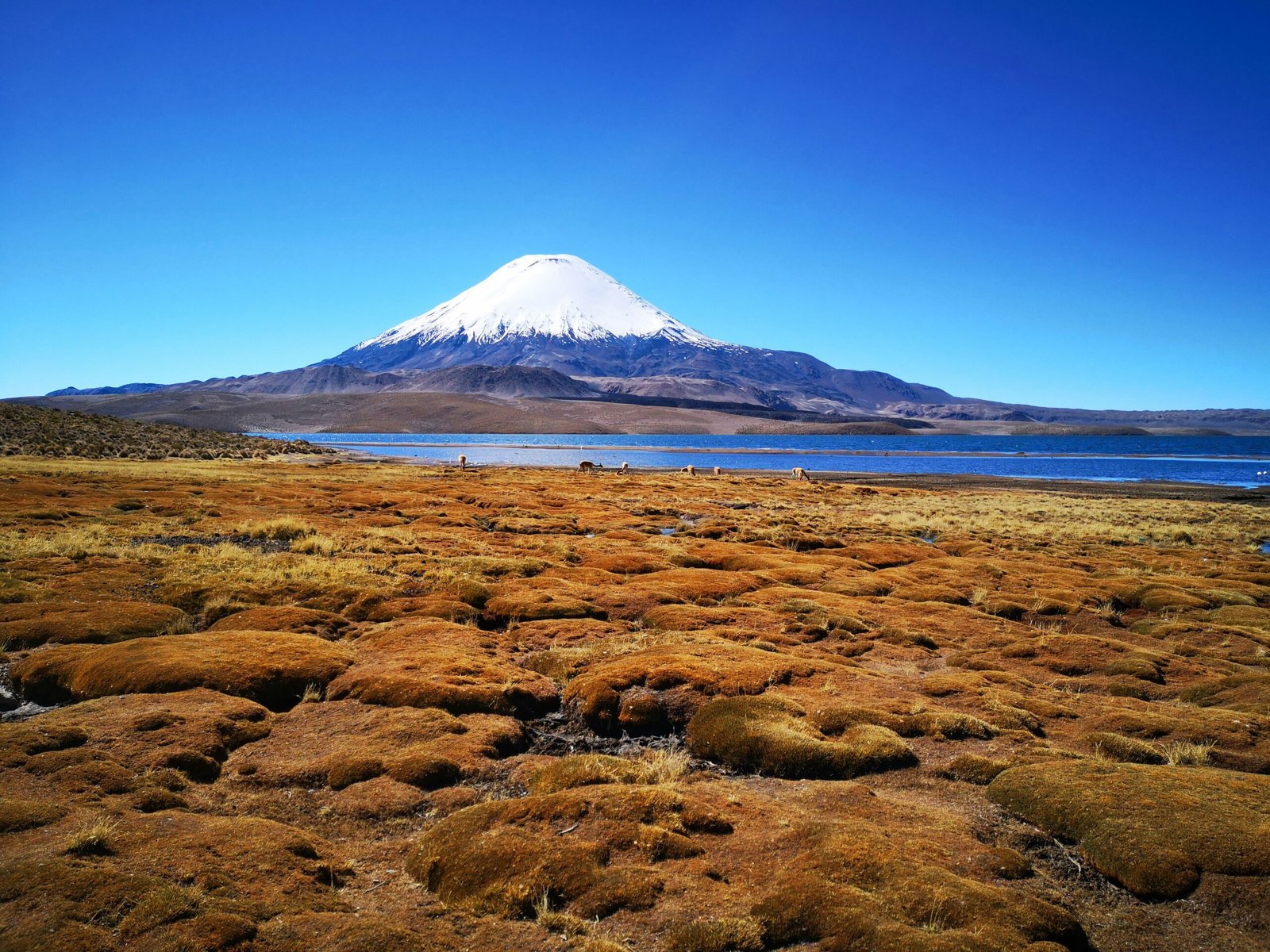
Near Chile’s northern border with Bolivia, Lauca National Park protects some of the country’s most spectacular high-altitude landscapes.
Snow-capped volcanoes rise above remote wetlands, grasslands and the beautiful waters of Lake Chungará, situated at approximately 4,500 metres above sea level.
Despite the harsh conditions, these landscapes support a fascinating variety of wildlife.
Herds of vicuñas graze on the open plains, while rocky slopes provide habitat for vizcachas, unusual rabbit-like mammals related to chinchillas.
The park’s lakes and wetlands are particularly important for birds, including Andean, Chilean and James’s flamingos, Andean geese, giant coots and other specialist high-altitude species.
The spectacular scenery and relative remoteness make Lauca a particularly rewarding destination for travellers interested in both wildlife and wild landscapes.
When to go: Lauca can be visited throughout much of the year, with April to November generally bringing drier weather. Summer rainfall between December and March can occasionally disrupt access. The park lies at considerable altitude, so gradual acclimatisation and appropriate preparation are
Chile’s diverse habitats support an impressive variety of wildlife, including several rare and highly specialised species.
Mammals
- Puma: Chile’s largest native wild cat, particularly associated with Torres del Paine and its neighbouring ranchlands, where specialist tracking offers exceptional viewing opportunities.
- Kodkod: One of the smallest wild cats in the Americas, inhabiting the dense temperate rainforests of southern Chile.
- Darwin’s Fox: A rare and endangered fox found in isolated populations, including Chiloé Island.
- Southern Pudu: One of the world’s smallest deer, inhabiting the forests of southern Chile.
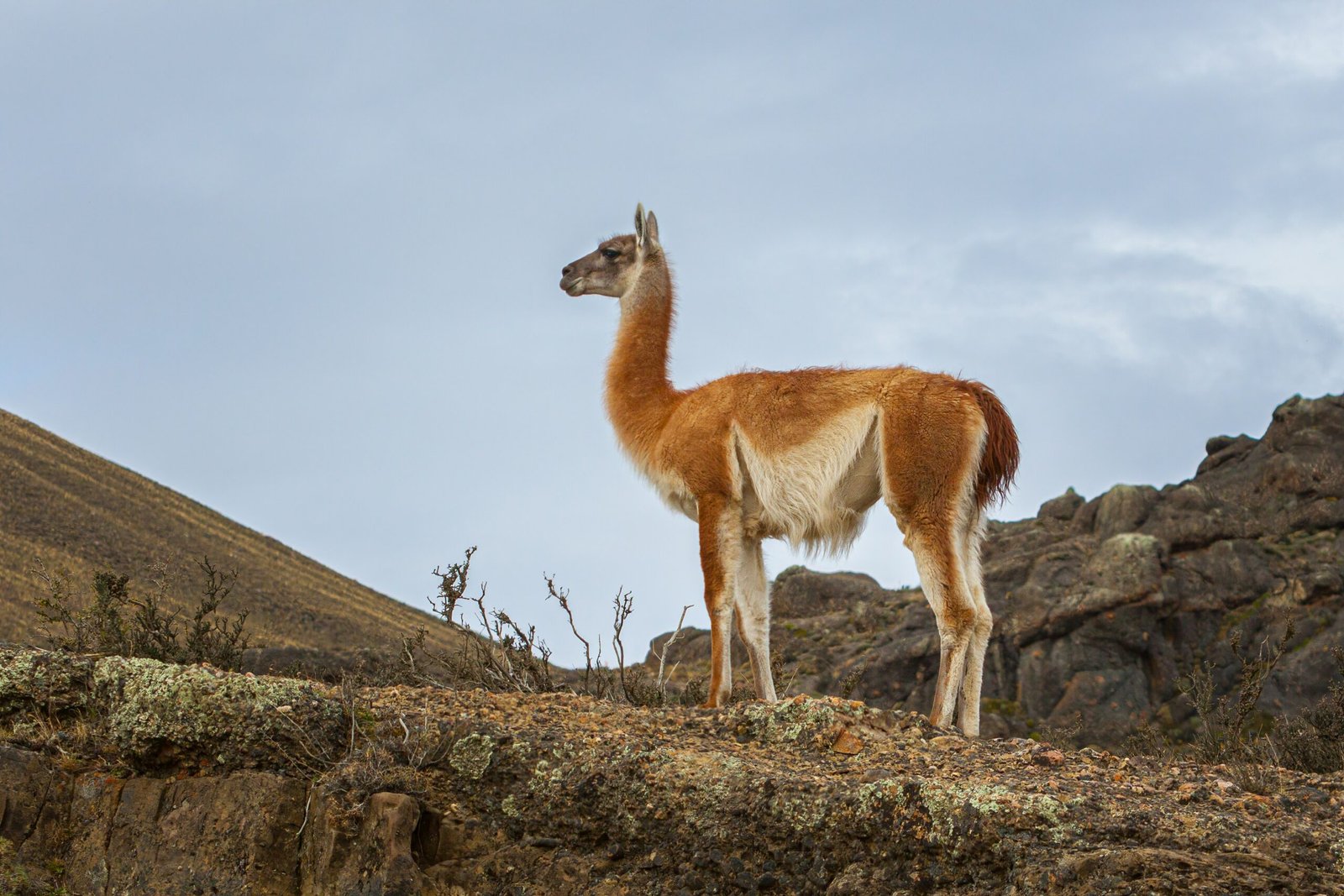
- Guanaco: A wild South American camelid, commonly encountered across the Patagonian steppe and an important prey species for pumas.
- Vicuña: A smaller wild relative of the llama, adapted to life on the high-altitude grasslands of the northern Andes.
- Marine Otters: Rare coastal mammals inhabiting rocky shores and sheltered waters along Chile’s Pacific coast.
Birds
- Andean Condor: One of the world’s largest flying birds, often seen soaring above the mountains and grasslands of Patagonia.
- King Penguin: A magnificent penguin species found at the protected colony on Tierra del Fuego.
- Magellanic & Humboldt Penguins: Both species can be observed at the Puñihuil Islands off Chiloé.
- Flamingos: Chilean, Andean and James’s flamingos inhabit salt lakes and wetlands in northern Chile.
- Magellanic Woodpecker: A striking forest bird, recognised by its distinctive red-headed males and powerful drumming.
- Darwin’s Rhea: A large, flightless bird inhabiting the open grasslands of Patagonia.
Marine Wildlife
- Blue Whales: The world’s largest animals visit the productive waters around Chiloé to feed during the austral summer.
- Chilean Dolphins: Small, endemic dolphins inhabiting sheltered coastal waters around southern Chile.
- Commerson’s Dolphins: Distinctive black-and-white dolphins sometimes encountered in the Strait of Magellan.
- Southern River Otters: Rare freshwater mammals associated with rivers, wetlands and forested waterways in southern Chile.
From the remote forests of Chiloé to the immense wilderness of Patagonia and the volcanic landscapes of the Andes, Chile offers some of South America’s most rewarding wildlife experiences. Its combination of extraordinary scenery, specialist wildlife encounters and important protected habitats makes it a truly remarkable destination for nature lovers.