
Costa Rica
Costa Rica is a tropical paradise where wildlife is never far away. Lush rainforests, mist-covered mountains, smouldering volcanoes and golden beaches create an extraordinary variety of habitats in this small Central American country, renowned for its rich biodiversity and commitment to conservation.
From the waterways of Tortuguero to the cloud forests of Monteverde and the remote wilderness of the Osa Peninsula, Costa Rica is alive with colour and sound. Scarlet macaws fly overhead, sloths rest high in the canopy, monkeys call through the forest and brilliantly coloured frogs hide among tropical leaves. Along the coast, sea turtles return to nest, while dolphins and whales inhabit the warm Pacific waters.
With an impressive network of national parks, private reserves and conservation projects, Costa Rica is a wonderful destination for responsible wildlife travel.
Nature in Technicolour.
COSTA RICA JOURNEY INSPIRATION
Our travel network specialises in tailormade holidays and carefully selected small-group journeys, with a focus on responsible wildlife travel. Wherever possible, we favour lower-impact experiences, locally owned or community-connected accommodation, and operators whose work supports conservation and local livelihoods.
Below you’ll find a selection of suggested trips, with price guides, combining destinations, camps and lodges that we think work particularly well together. There are many more possibilities, so these are intended simply as a starting point.
When you’re ready to explore your options, please complete an enquiry form. We’ll put you in touch with the most relevant specialist partner team, who can discuss your interests and budget and either tailor an itinerary for you or recommend the most suitable small-group departure.
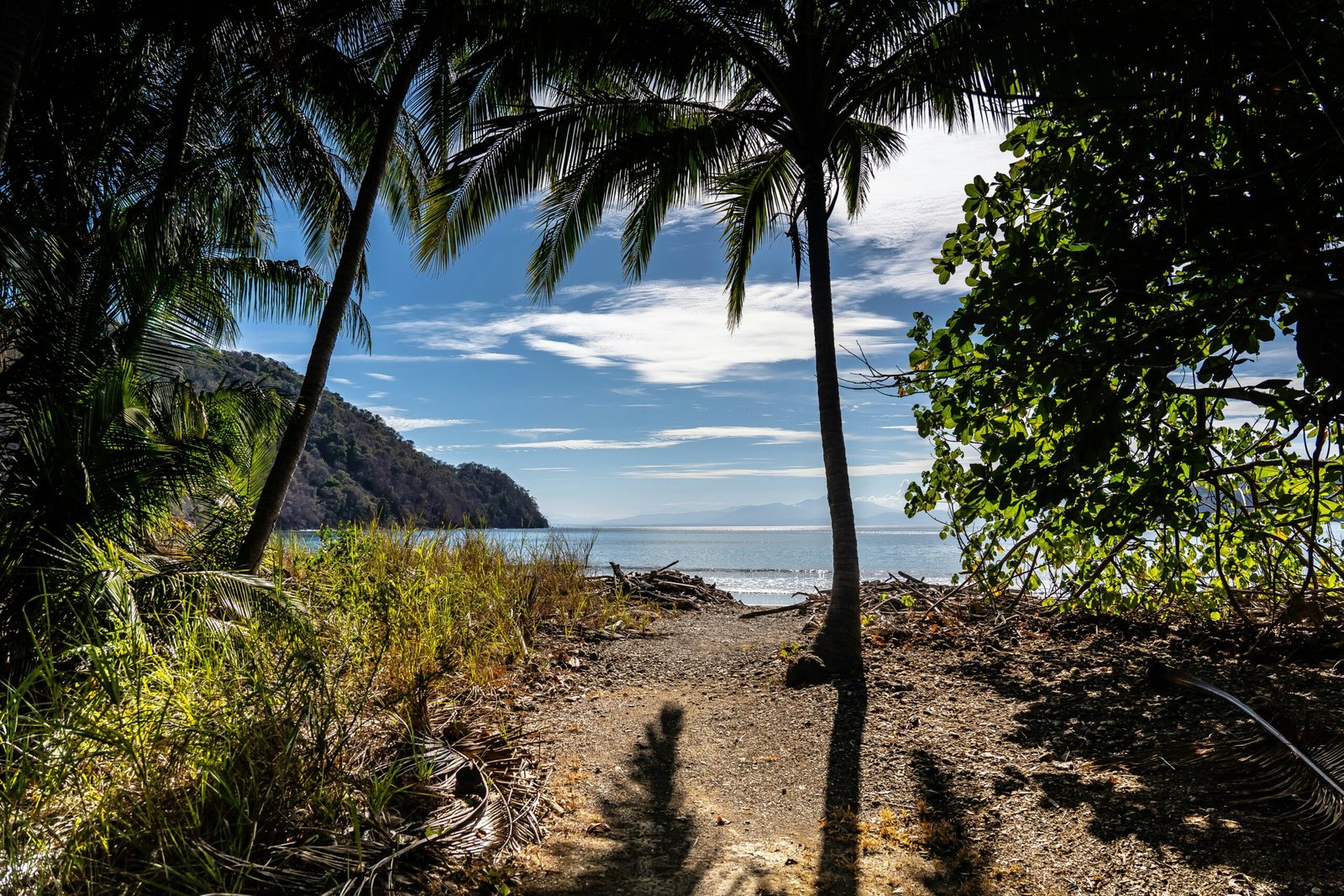
Discover the astonishing biodiversity of Costa Rica on this specialist small-group wildlife journey, exploring tropical rainforests, mist-shrouded cloud forests and some of Central America’s most remarkable protected wilderness areas.
Begin in Tortuguero National Park, where a labyrinth of rainforest waterways provides a haven for sloths, monkeys, caimans, toucans and colourful birdlife. The park’s protected Caribbean beaches are also among Costa Rica’s most important nesting grounds for green sea turtles, offering the unforgettable possibility of watching these ancient marine reptiles.
The journey culminates on the wild Osa Peninsula, home to Corcovado National Park, one of Costa Rica’s richest wildlife habitats. Scarlet macaws fly above the forest canopy, monkeys move through the trees and an extraordinary variety of frogs, reptiles and insects inhabit the rainforest. Accompanied throughout by an experienced naturalist guide, this is a wonderfully varied introduction to Costa Rica’s exceptional natural heritage.
Day 1: Arrive in San José
Fly from the UK to San José, Costa Rica’s capital, where you are met by your naturalist guide and transferred to your hotel.
Overnight at Hotel Bougainvillea, set within four hectares of beautifully maintained tropical gardens on the outskirts of the city. Even here, wildlife is never far away, with hummingbirds, tanagers and other colourful birds visiting the gardens.
Day 2: Journey to Tortuguero National Park
Travel east through the forested landscapes of Braulio Carrillo National Park, descending from the Central Valley towards Costa Rica’s Caribbean lowlands.
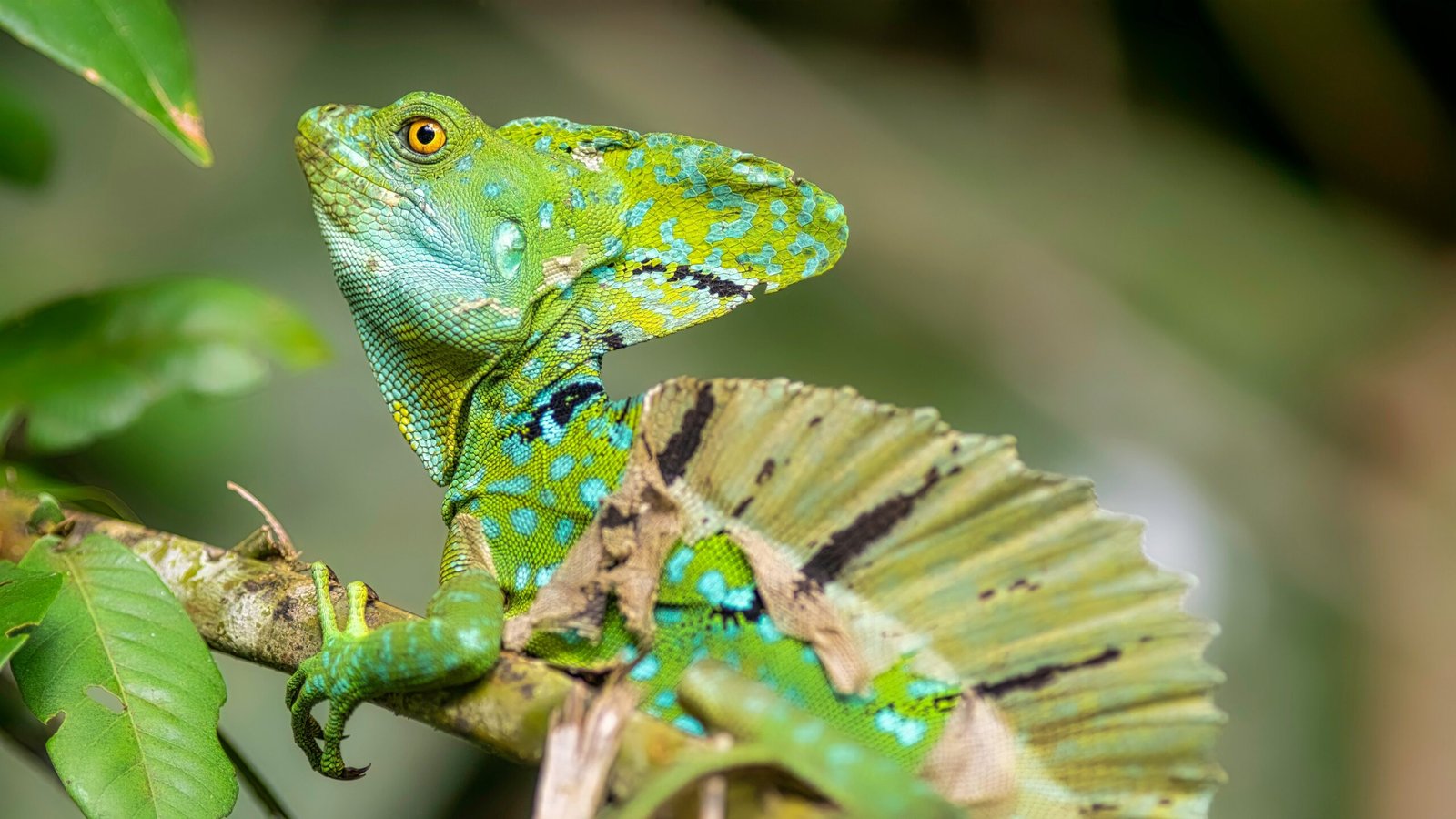
Continue by boat through the canals and lagoons of Tortuguero National Park, where dense rainforest borders the waterways. Keep watch for spectacled caimans, sloths, basilisk lizards and kingfishers along the banks.
Your base for the next three nights is Mawamba Lodge, set on a narrow strip of land between the Caribbean Sea and Tortuguero’s waterways. The lodge offers comfortable, rustic accommodation surrounded by lush gardens, with nature trails and easy access to the national park.
Days 3–4: Exploring Tortuguero
Spend two days discovering the extraordinary wildlife of Tortuguero National Park, exploring its waterways by boat and following forest trails with your naturalist guide.
Early morning boat excursions offer wonderful opportunities to observe wildlife as the forest comes to life. Look for mantled howler monkeys, spider monkeys, sloths, caimans and river turtles, alongside an impressive variety of tropical birds.
Toucans, colourful kingfishers, herons, manakins and parrots are among the many species that inhabit this rich wetland environment. With luck, you may also encounter a Neotropical river otter or glimpse one of the region’s more elusive mammals.
Guided walks reveal a different side of the rainforest, with opportunities to discover frogs, lizards, insects and other smaller creatures among the vegetation.
Tortuguero is one of the Caribbean’s most important nesting grounds for green sea turtles. From July to October, enormous females come ashore after dark to lay their eggs on the protected beaches with tiny hatchlings emerging 50-70 days later, depending on conditions.
Return each evening to Mawamba Lodge, surrounded by the sounds of the rainforest.
Day 5: Savegre Valley & San Gerardo de Dota
Leave Tortuguero by light aircraft, returning to San José before travelling south into the Talamanca Mountains.
The scenery changes dramatically as you climb into the cool, mist-covered cloud forests of the Savegre Valley, where moss-draped trees, mountain streams and flowering plants create a beautiful setting for wildlife watching.
Arrive at Trogon Lodge, your base for the next two nights. Situated at around 2,200 metres above sea level, the lodge lies within a private forest reserve, with attractive gardens that draw hummingbirds and other mountain bird species.
Day 6: Resplendent Quetzals & Cloud Forest Wildlife
Rise early for a guided birdwatching excursion in the cloud forests around San Gerardo de Dota and Los Quetzales National Park.
The main objective is to find the magnificent resplendent quetzal, a spectacular bird with iridescent green plumage, a crimson breast and, in the male, extraordinarily long tail feathers.
This region is one of Costa Rica’s best places to encounter quetzals, which feed on wild avocados and inhabit the cool montane forests throughout the year.
Other birdlife includes fiery-throated hummingbirds, emerald toucanets, collared trogons and sooty thrushes, while the cloud forest itself is a fascinating world of ancient oaks, mosses, orchids and bromeliads.
Return to Trogon Lodge, with the afternoon offering further opportunities for birdwatching or simply enjoying the peaceful mountain surroundings.
Day 7: Journey to the Osa Peninsula
Travel south towards the Osa Peninsula, passing through changing landscapes as you descend from the mountains towards Costa Rica’s Pacific lowlands.
Your destination is Danta Corcovado Lodge, a small rainforest retreat near La Palma, surrounded by approximately 30 hectares of forest and connected to the wider wildlife habitats of the peninsula.
Accommodation is simple but comfortable, with en-suite rooms incorporating natural materials and outdoor showers.
After dinner, venture into the forest on a guided night walk, when an entirely different collection of creatures becomes active. Look for tree frogs, glass frogs, walking stick insects, katydids and other nocturnal wildlife, with the possibility of encountering snakes and other reptiles.
Begin your three-night stay at Danta Corcovado Lodge.
Day 8: Corcovado National Park
Spend the day exploring the magnificent Corcovado National Park, one of Central America’s most important remaining areas of tropical lowland rainforest.
This extraordinary protected landscape supports an exceptional variety of wildlife, including four species of monkey, Baird’s tapirs, peccaries, anteaters, sloths and an astonishing diversity of birds, reptiles and amphibians.
Explore slowly on foot with your naturalist guide, keeping watch for scarlet macaws calling overhead, squirrel monkeys moving through the canopy and colourful frogs among the forest vegetation.
Other possibilities include white-faced capuchins, spider monkeys, northern tamanduas and, with considerable luck, the elusive Baird’s tapir.
Every walk offers something different, from tiny insects and unusual plants to the sights and sounds of the rainforest’s larger inhabitants.
Return to Danta Corcovado Lodge for the evening.
Day 9: Dolphins & Rainforest Wildlife
Begin the day with a boat excursion into Golfo Dulce, the sheltered tropical gulf bordering the Osa Peninsula.
These rich coastal waters support several dolphin species, including bottlenose, spotted and spinner dolphins, while humpback whales visit seasonally during their migrations. Other marine mammals are possible, although sightings are unpredictable.
In the afternoon, return to the forest for a guided walk within the private reserve surrounding Danta Corcovado Lodge.
The reserve forms part of an important wildlife corridor linking forest habitats around Corcovado, providing further opportunities to encounter monkeys, tropical birds, frogs and other rainforest wildlife.
Enjoy your final evening in the heart of the Osa Peninsula.
Day 10: Return to San José
Transfer to Puerto Jiménez for a light aircraft flight back to San José, enjoying aerial views of Costa Rica’s Pacific coastline or forested mountains.
Return to Hotel Bougainvillea for your final night, with time to enjoy the gardens and perhaps some last-minute birdwatching.
Days 11–12: Return to the UK
Transfer to San José International Airport for your return flight, arriving in the UK the following day.
Responsible travel
This itinerary explores several of Costa Rica’s most important protected ecosystems, from the Caribbean wetlands of Tortuguero to the montane forests of Los Quetzales and the exceptionally biodiverse rainforests of Corcovado National Park.
In Tortuguero National Park, conservation programmes protect important nesting beaches for endangered sea turtles, while the surrounding wetlands provide a refuge for monkeys, sloths, caimans and hundreds of bird species.
In the Savegre Valley, Trogon Lodge is located within a private reserve forming part of a wider biological corridor, helping maintain forest habitat for quetzals and other mountain wildlife.
On the Osa Peninsula, Danta Corcovado Lodge occupies a 30-hectare property whose forest provides an important connection between Corcovado National Park and neighbouring habitats. Guided excursions introduce visitors to the region’s extraordinary biodiversity and the importance of conserving these remaining rainforest ecosystems.
The itinerary includes specialist naturalist guiding and a conservation fund contribution, supporting a deeper understanding of Costa Rica’s wildlife and its protection.
Why we like this trip
A wonderful choice for travellers wanting to experience Costa Rica’s extraordinary variety of wildlife and habitats in one rewarding journey.
We particularly like the contrast between the wildlife-rich canals of Tortuguero, the beautiful cloud forests of the Savegre Valley and the outstanding biodiversity of Corcovado National Park. With opportunities to see sloths, monkeys, toucans, resplendent quetzals, scarlet macaws and an extraordinary variety of smaller creatures, this is a particularly appealing trip for wildlife enthusiasts and photographers.
The combination of experienced naturalist guiding, comfortable wildlife lodges and time spent exploring three very different ecosystems makes this an excellent introduction to one of the world’s most biodiverse countries.
Price Guide
Per person sharing: 12 days from £5,995 per person including return international flights from the UK.
- This 12-day small-group wildlife tour operates on scheduled departures.
- The trip starts and ends in San José, with international flights from the UK included.
- The group is accompanied by an experienced naturalist guide.
- The itinerary includes guided rainforest walks, boat excursions and internal light aircraft flights.
Departure Dates
2027
- 13 November 2027 – from £5,995 per person
2028
- 18 March 2028 – from £6,295 per person
- 12 April 2028 – from £6,295 per person
All departures are on request, with availability and final pricing subject to confirmation.
Includes
- Return international flights from the UK
- Internal light aircraft flights as indicated
- Accommodation as indicated
- Meals as indicated in the itinerary
- Transfers and transport within Costa Rica
- Guided excursions and activities
- Boat excursions in Tortuguero National Park and Golfo Dulce
- Services of an experienced English-speaking naturalist guide
- Conservation fund contribution
Excludes
- Travel insurance
- UK travel expenses
- Gratuities
- Drinks unless stated
- Any applicable visa fees
- Any vaccination costs
- Personal expenses
ENQUIRE
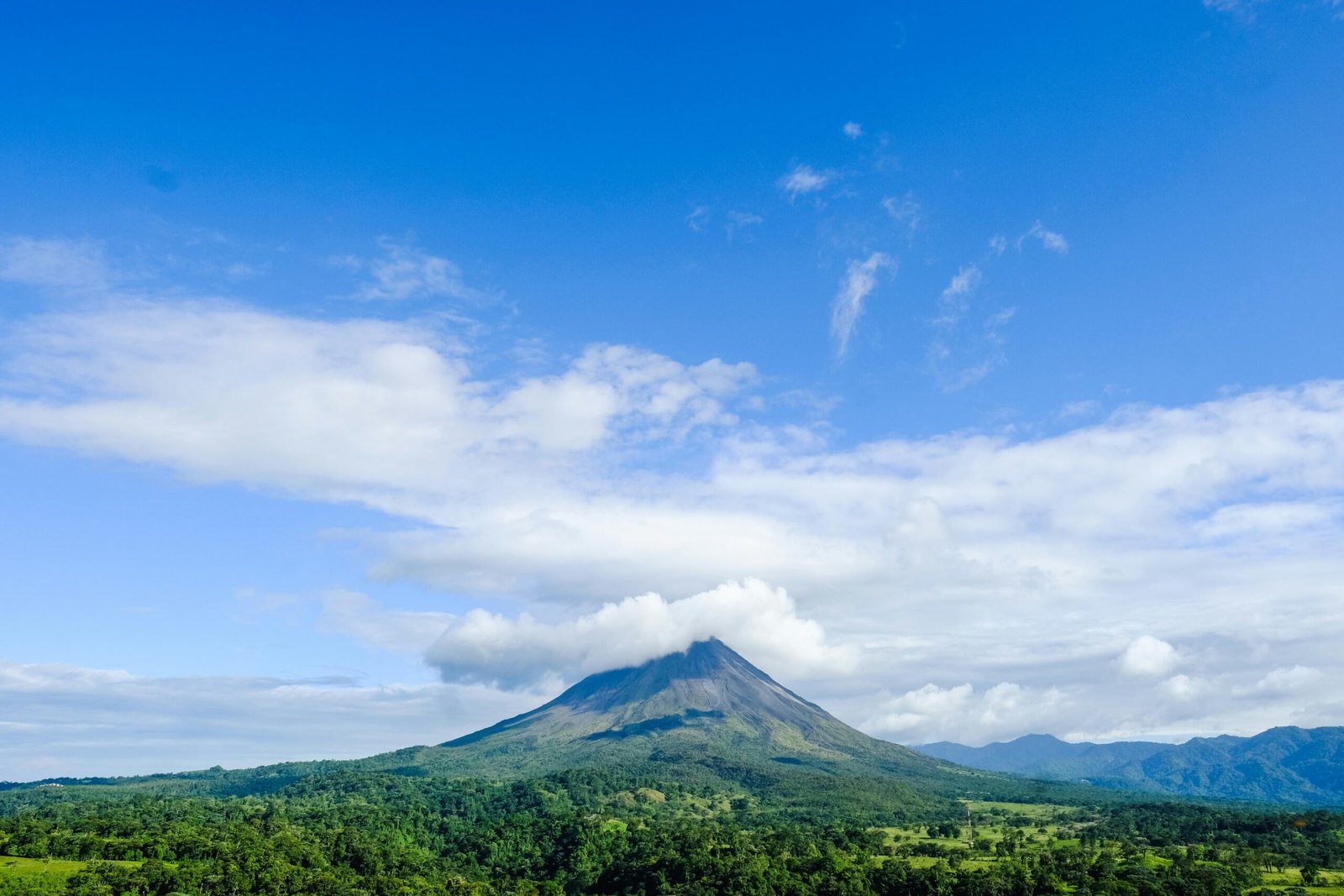
Discover the remarkable variety of Costa Rica’s landscapes and wildlife on this tailormade journey from the Caribbean coast to the Pacific Ocean. Explore tropical rainforests, volcanic landscapes, misty cloud forests and beautiful beaches, with opportunities to encounter some of Central America’s most fascinating wildlife.
Begin in Tortuguero National Park, where rainforest canals and sheltered lagoons provide habitats for monkeys, sloths, caimans, turtles and colourful birds. Continue to the spectacular Arenal Volcano, surrounded by tropical forest alive with birds and wildlife, before heading into Monteverde’s famous cloud forests, where resplendent quetzals, hummingbirds and an extraordinary variety of plants thrive.
The journey concludes on Costa Rica’s Pacific coast, exploring the wildlife-rich forests of Carara and Manuel Antonio National Parks. With comfortable accommodation, guided wildlife excursions and time to explore at your own pace, this is a wonderful introduction to Costa Rica’s extraordinary natural diversity.
Day 1: San José
Arrive in San José, Costa Rica’s capital, where you are met and transferred to your hotel.
Overnight at Hotel Bougainvillea, situated in a quiet suburb north of the city. Its four hectares of tropical gardens attract hummingbirds, tanagers, butterflies and other wildlife, offering a pleasant introduction to Costa Rica’s biodiversity.
Days 2–3: Tortuguero National Park
Travel east through the rainforest landscapes of Braulio Carrillo National Park, descending towards the Caribbean lowlands before continuing by boat along the waterways of Tortuguero.
Accessible primarily by boat or air, Tortuguero National Park protects a fascinating network of canals, lagoons, rainforest and coastal beaches.
Enjoy guided boat excursions through the sheltered waterways, looking for mantled howler monkeys, spider monkeys, sloths, caimans, kingfishers and toucans. The park also supports an extraordinary variety of reptiles, amphibians and aquatic wildlife.
Tortuguero’s beaches are among the Caribbean’s most important nesting grounds for green sea turtles. Between July and October, females emerge from the ocean after dark to lay their eggs, with hatchlings appearing later in the season. During the appropriate months, optional guided evening excursions offer the possibility of witnessing this remarkable event, subject to local conservation regulations and conditions.
There is also time to visit the small village of Tortuguero and discover more about the area’s important conservation history.
Stay for two nights at Evergreen Lodge, a comfortable rainforest lodge surrounded by tropical vegetation, with raised walkways, nature trails and convenient access to the national park.
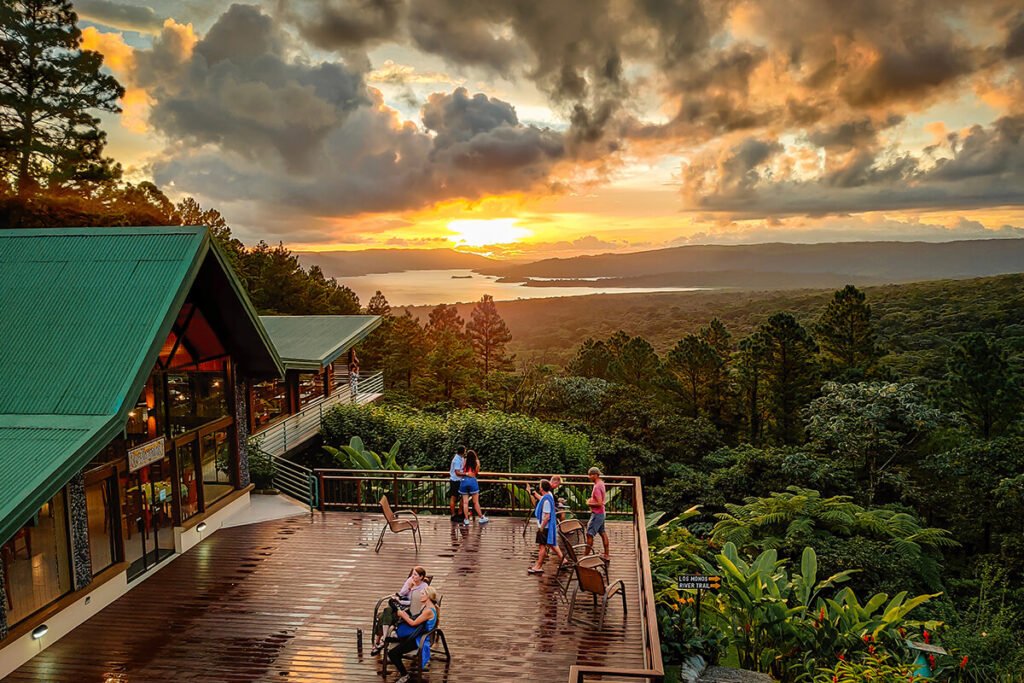 Image: Arenal Observatory Lodge
Days 4–6: Arenal Volcano National Park
Leave Tortuguero by boat and travel inland towards La Fortuna, dominated by the dramatic cone of Arenal Volcano.
The surrounding landscape combines tropical forest, ancient lava flows, rivers and waterfalls, creating varied habitats for wildlife.
Enjoy a guided walk along the 1968 Trail, exploring forest and volcanic landscapes while keeping watch for howler monkeys, coatis, toucans, motmots, hummingbirds and other wildlife. The walk takes approximately four hours and includes some uphill sections, with spectacular views towards Arenal Volcano and its lake when conditions are clear.
The following day is free to explore the region at your own pace. You might enjoy the lodge’s rainforest trails, observation tower and frog pond, or arrange an optional excursion to nearby thermal springs or Caño Negro Wildlife Refuge.
Stay for three nights at Arenal Observatory Lodge & Trails, a former scientific research station set within a 352-hectare private forest reserve. Its extensive network of trails, rich birdlife and outstanding views of the volcano make it a particularly rewarding base for nature enthusiasts.
 Image: Ocotea Boutique Hotel
Day 7: Journey to Monteverde Cloud Forest
Travel across Lake Arenal before continuing through the hills towards Monteverde, one of Costa Rica’s most celebrated cloud forest destinations.
As you gain altitude, tropical rainforest gives way to cooler, mist-covered forest, where mosses, orchids, ferns and bromeliads cloak the trees.
The Monteverde Cloud Forest protects an exceptional variety of wildlife, including hundreds of bird species, colourful amphibians, butterflies and elusive forest mammals.
Begin your two-night stay at Ocotea Boutique Hotel, a small, family-owned property offering comfortable accommodation and a peaceful setting for exploring the surrounding cloud forests.
Day 8: Santa Elena Cloud Forest Reserve
Spend the morning exploring Santa Elena Cloud Forest Reserve, a beautiful protected forest high in the Tilarán Mountains.
Accompanied by a naturalist guide, follow trails beneath towering trees covered in mosses, ferns and orchids, listening for birds calling from the canopy and watching for movement among the branches.
The cloud forest is particularly rewarding for birdwatching, with opportunities to see resplendent quetzals, hummingbirds, toucanets and other montane forest species.
Santa Elena is notable for its community-managed conservation approach, with the reserve supporting environmental education and the protection of important cloud forest habitats.
The afternoon is free to explore more of Monteverde, perhaps walking among the treetops on hanging bridges, visiting a hummingbird garden or joining an optional night walk in search of nocturnal wildlife.
Return to Ocotea Boutique Hotel for the evening.
Day 9: Carara National Park & Manuel Antonio
Leave the mountains behind and travel towards Costa Rica’s Pacific coast, stopping for a guided visit to Carara National Park.
Carara protects an important area of transitional forest where tropical dry forest meets wetter coastal rainforest, creating particularly rich habitats for wildlife.
The park is renowned for its scarlet macaws, whose brilliant red, yellow and blue plumage makes them one of Costa Rica’s most striking birds. Other possibilities include white-faced capuchin monkeys, coatis, sloths, trogons and a variety of reptiles and amphibians.
There may also be an opportunity to stop at the famous Tárcoles River Crocodile Bridge, where American crocodiles can sometimes be seen resting along the riverbanks.
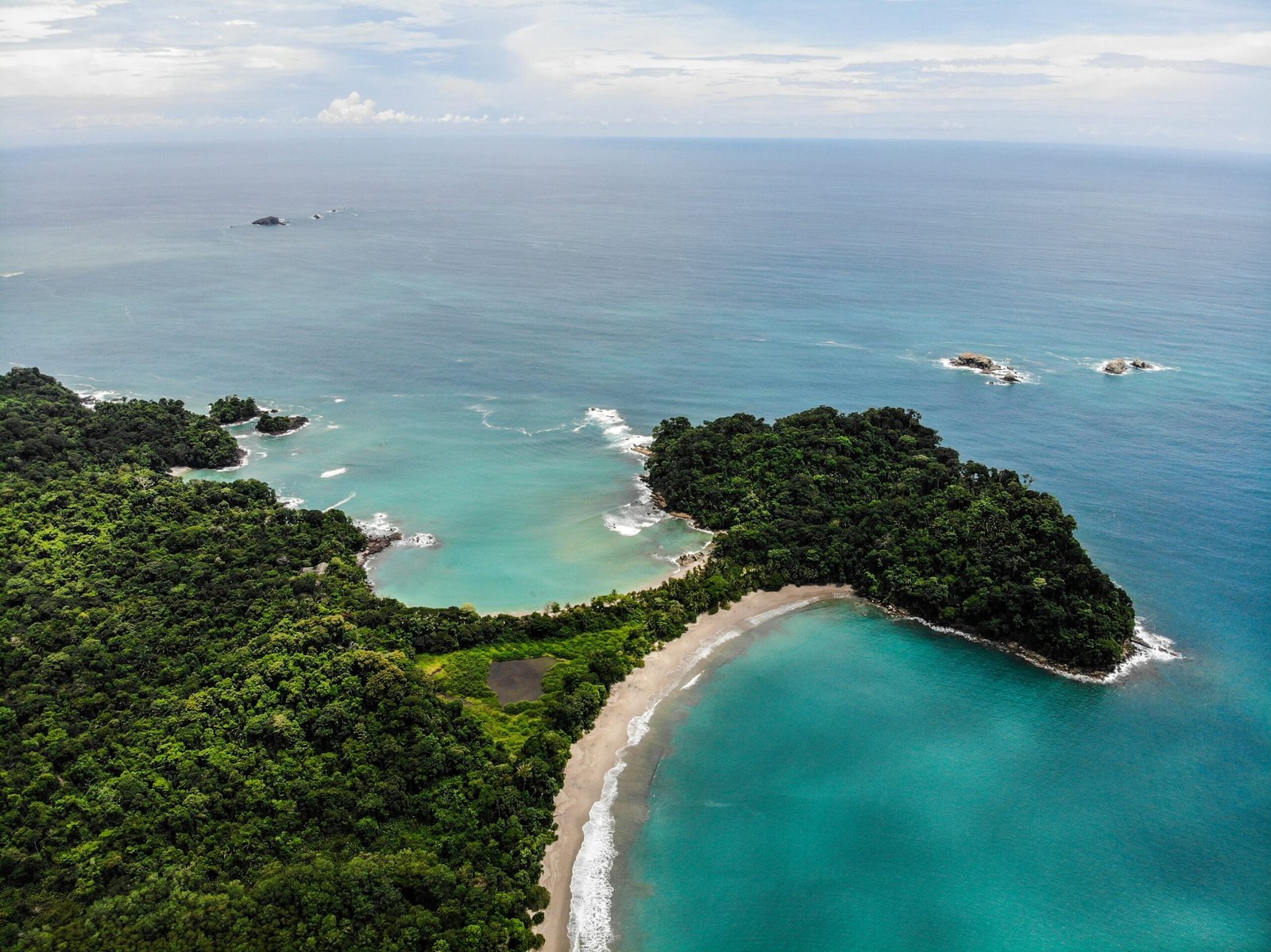
Continue south towards Manuel Antonio, where rainforest-covered hills descend towards beautiful Pacific beaches.
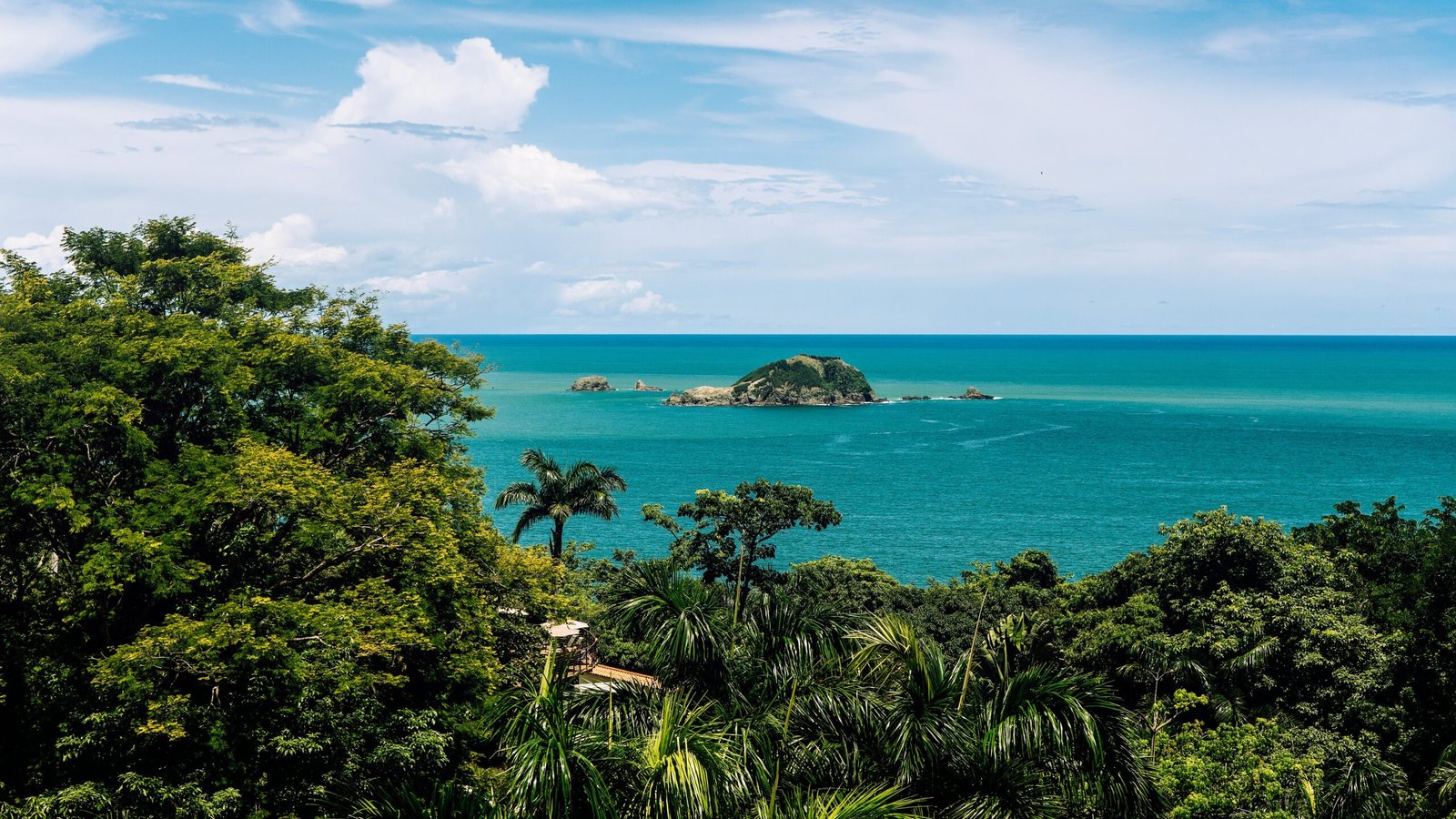
Begin your three-night stay at Sí Como No Resort, a comfortable hillside property surrounded by tropical vegetation, with sweeping views over the Pacific Ocean. The resort places an emphasis on sustainable hospitality and offers attractive gardens, swimming pools and opportunities for wildlife watching.
Days 10–11: Manuel Antonio National Park
Explore the beautiful Manuel Antonio National Park, where tropical rainforest meets sheltered coves, rocky headlands and sandy beaches.
Despite its relatively small size, Manuel Antonio supports an impressive variety of wildlife, and a guided walk along the forest trails provides opportunities to observe animals at close quarters.
Look for two-toed and three-toed sloths, white-faced capuchin monkeys, mantled howler monkeys and the endangered Central American squirrel monkey.
Birdwatching possibilities include fiery-billed aracaris, woodpeckers, hummingbirds and numerous tropical forest species, while lizards, butterflies and other smaller creatures can often be found beside the trails.
Your second full day is free to enjoy the coast or arrange an additional excursion, perhaps exploring mangrove waterways, joining a coastal boat trip, kayaking or simply relaxing beside the ocean.
Return each evening to Sí Como No Resort, enjoying the tropical surroundings and beautiful Pacific views.
Day 12: Return to San José
Leave the Pacific coast and travel back to San José for your final night in Costa Rica.
Stay at Hotel Bougainvillea, with another opportunity to enjoy its beautiful gardens and colourful birdlife.
Day 13: Departure
Transfer to San José International Airport for your onward journey.
This is a suggested tailormade itinerary and can be adapted to suit your interests, preferred accommodation and travel dates.
 Responsible travel
This itinerary explores several of Costa Rica’s most important protected ecosystems, combining the Caribbean wetlands of Tortuguero with the forests around Arenal, the community-managed cloud forests of Santa Elena and the Pacific coast’s national parks.
In Tortuguero National Park, conservation programmes help protect important nesting beaches for endangered sea turtles, while the surrounding rainforest and waterways provide habitats for monkeys, sloths, caimans and hundreds of bird species. Turtle-watching excursions are undertaken with certified guides and subject to conservation regulations.
At Arenal Observatory Lodge, a former scientific research station, a 352-hectare private reserve protects rainforest habitats on the slopes of Arenal Volcano. Its extensive trail network and nature facilities offer opportunities to discover the extraordinary biodiversity of the area, including hundreds of bird species, frogs and other rainforest wildlife.
At Santa Elena Cloud Forest Reserve, community-led conservation initiatives focus on protecting sensitive forest habitats, supporting environmental education and maintaining connections between protected areas.
The itinerary also visits Carara and Manuel Antonio National Parks, where guided excursions introduce travellers to the rich biodiversity of Costa Rica’s Pacific forests. Specialist naturalist guiding, national park entrance fees and a conservation fund contribution help support a greater understanding and appreciation of these remarkable ecosystems.
Why we like this trip
A wonderful choice for travellers wanting to discover Costa Rica’s varied landscapes and wildlife in one journey, combining rainforest waterways, volcanic scenery, cloud forests and the beautiful Pacific coast.
We particularly like the opportunity to explore Tortuguero by boat, spend time at Arenal Observatory Lodge surrounded by protected rainforest and discover Monteverde’s extraordinary birdlife. The guided excursions at Carara and Manuel Antonio provide further opportunities to encounter sloths, monkeys, scarlet macaws and other tropical wildlife.
With a relaxed pace, comfortable accommodation and the flexibility to adapt the journey, this is an appealing introduction to Costa Rica for both first-time visitors and wildlife enthusiasts.
Price Guide
Per person sharing: 13 days from £3,595 per person excluding international flights.
Our specialist travel partners can arrange international flights from the UK as required.
- This tailormade itinerary can be enjoyed year-round, although conditions vary between the Caribbean coast, volcanic highlands, cloud forest and Pacific coast.
- For travellers particularly interested in sea turtle nesting, July to October is the main season in Tortuguero, with hatchlings emerging later in the season.
- This trip starts and ends in San José.
- This trip can be adapted to suit you.
- A good general level of fitness is recommended, particularly for the guided walk around Arenal Volcano, which involves some uphill sections.
Includes
- Accommodation as indicated
- Transfers and transport within Costa Rica
- Shared guided excursions and activities as described
- National park entrance fees
- Services of local naturalist guides
- Conservation fund contribution
Excludes
- International flights from the UK
- Travel insurance
- Gratuities
- Drinks unless stated
- Optional excursions and activities
- Personal expenses
ENQUIRE
COSTA RICA GUIDE
You’ll find a short guide below.
To start planning a trip to Costa Rica please contact us via the Enquiry Form, by email on info@realworldconservation.org.uk or on 01692 218189.
 On Costa Rica’s remote Caribbean coast, Tortuguero National Park protects a remarkable network of rainforest canals, lagoons and tropical wetlands. Accessible primarily by boat or light aircraft, this extraordinary landscape offers a wonderful sense of immersion in the natural world.
Guided boat excursions are one of the best ways to explore the park, travelling quietly along waterways bordered by dense tropical vegetation. Look for sloths, mantled howler monkeys, spider monkeys, spectacled caimans and basilisk lizards, alongside toucans, kingfishers, herons and colourful tropical birds.
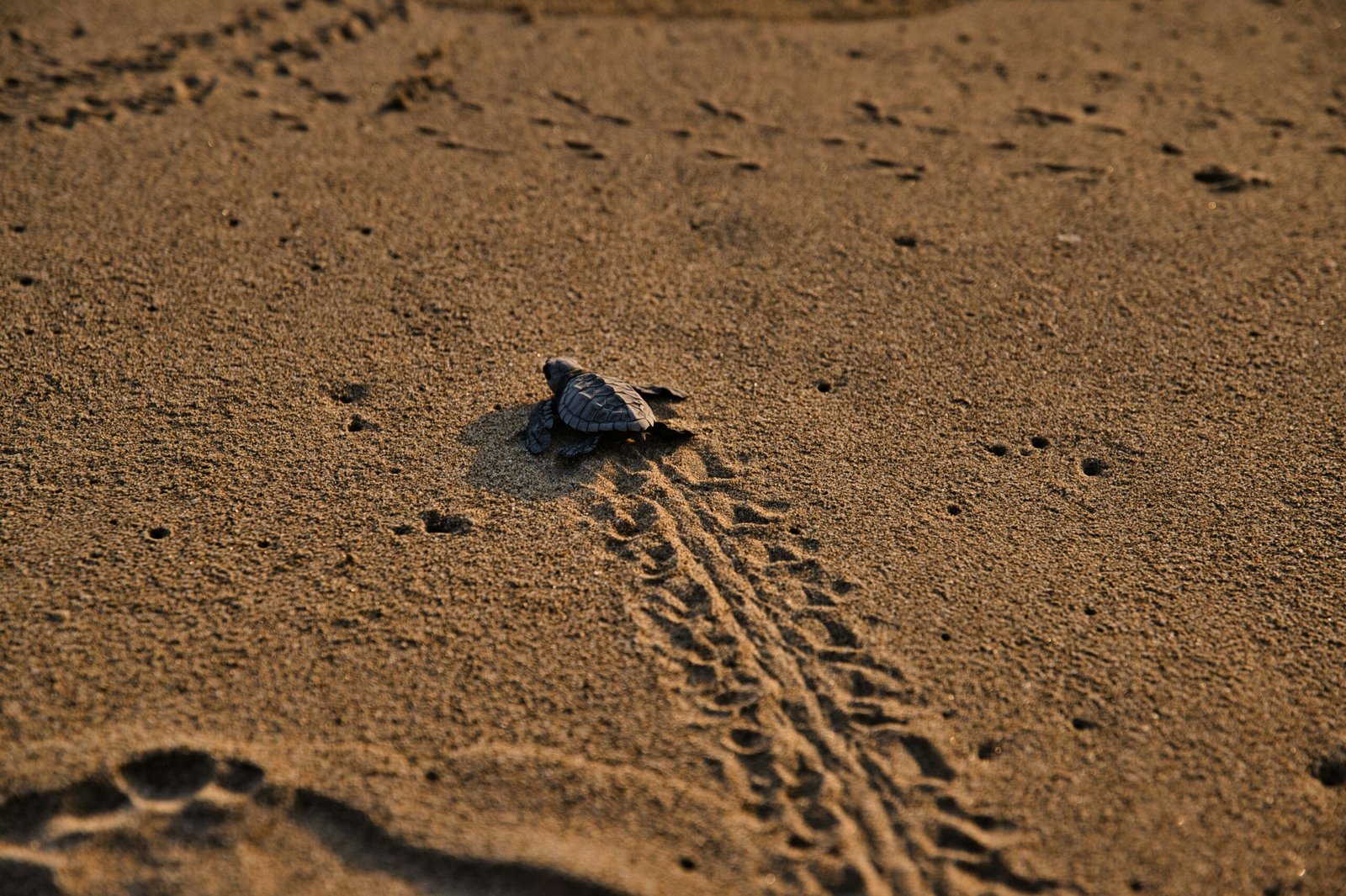
Tortuguero is especially celebrated for its sea turtles. Its protected beaches are among the Caribbean’s most important nesting grounds for green turtles, which return annually to lay their eggs. Watching a female turtle emerge from the sea at night, or tiny hatchlings making their way towards the ocean, is one of Costa Rica’s most memorable wildlife experiences.
When to go: Tortuguero can be visited year-round. July to October is the principal green turtle nesting season, with activity generally peaking in August and September. Hatchlings can often be seen during October and November. Rain is possible throughout the year.
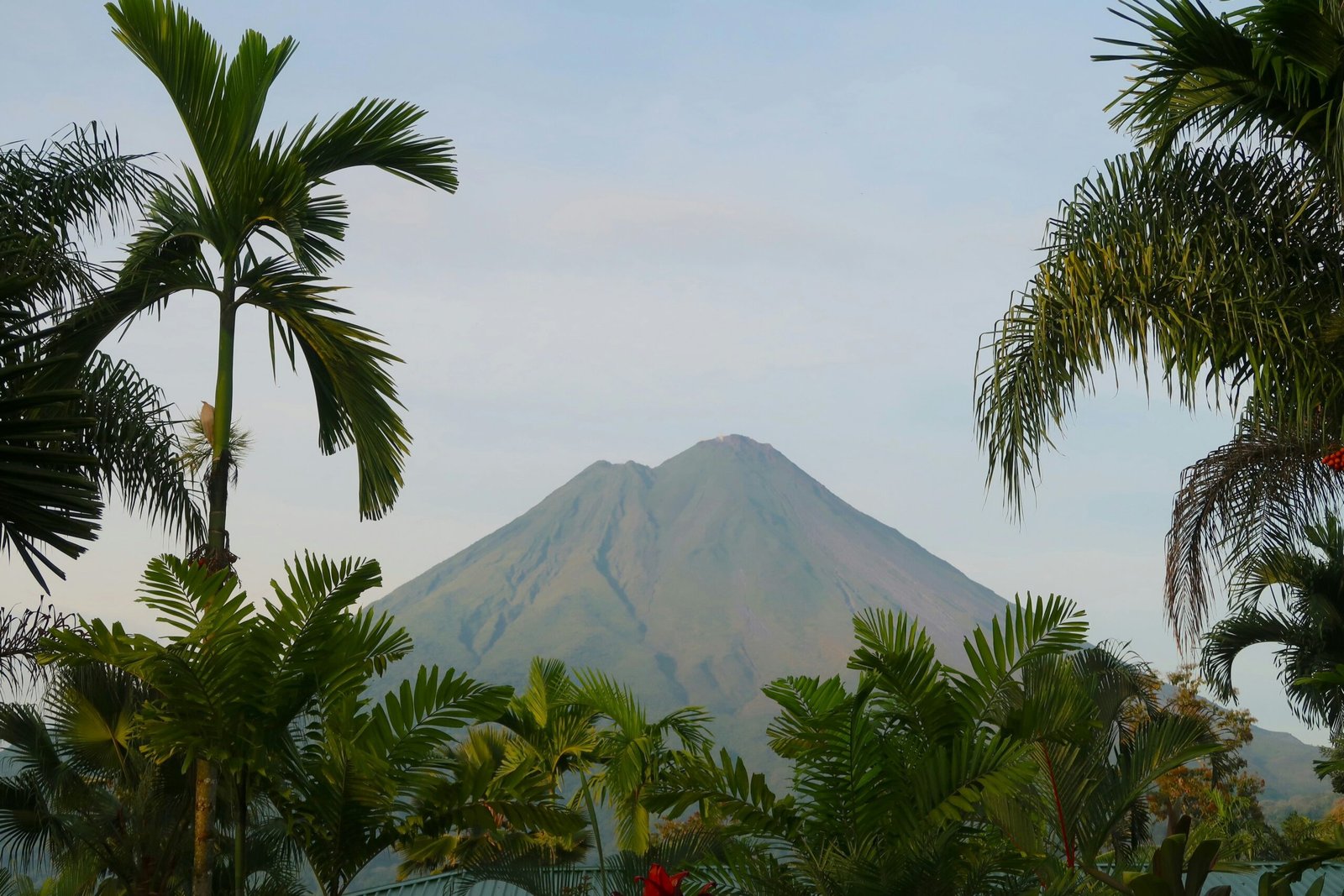
The unmistakable cone of Arenal Volcano rises above lush tropical rainforest, waterfalls and Lake Arenal, creating one of Costa Rica’s most dramatic landscapes.
Although the volcano is currently in a resting phase, its historic lava fields, forest trails and natural hot springs make the region a fascinating place to explore.
Arenal Volcano National Park and the surrounding private reserves support an impressive variety of wildlife, including toucans, motmots, hummingbirds, monkeys, sloths, coatis and numerous reptiles and amphibians.
A network of forest trails, hanging bridges and observation platforms allows visitors to discover different levels of the rainforest, while nearby Arenal Observatory Lodge provides an excellent base for birdwatching and nature walks within its extensive private reserve.
When to go: Arenal is rewarding throughout the year, with December to April generally bringing drier conditions. Wildlife remains active during the wetter months, when the forest is particularly lush.
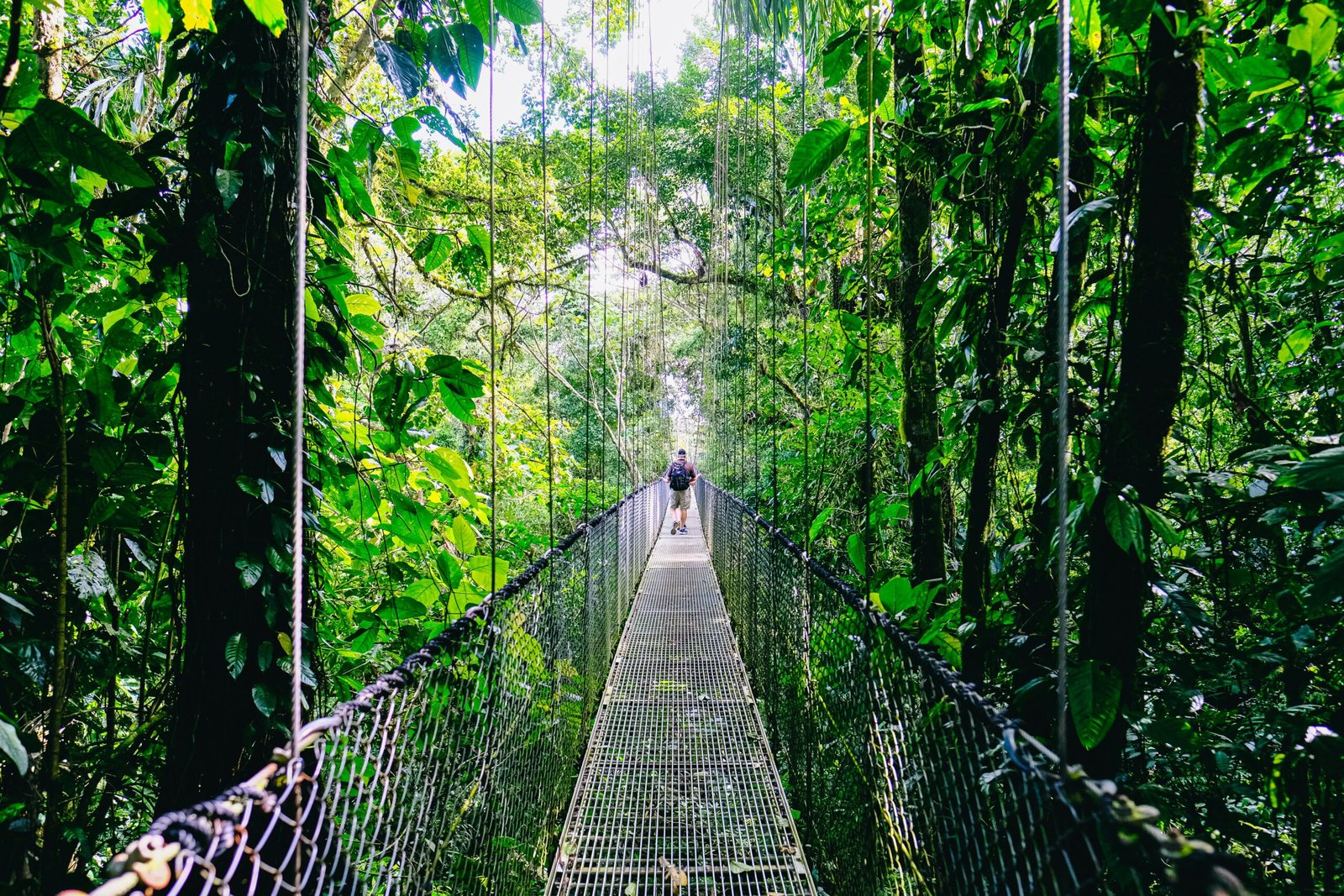
High in the Tilarán Mountains, Monteverde is one of Costa Rica’s best-known wildlife destinations. Here, moisture-laden clouds drift through the forest, coating ancient trees in mosses, ferns, orchids and bromeliads.
The Monteverde and Santa Elena Cloud Forest Reserves protect exceptionally rich montane habitats, supporting hundreds of bird species alongside an extraordinary variety of insects, amphibians and mammals.
The magnificent resplendent quetzal is one of the region’s most sought-after birds, while hummingbirds, toucanets, bellbirds and other forest specialists add to the appeal.
Guided forest walks are particularly rewarding, while hanging bridges offer a different perspective on the canopy. Santa Elena Reserve, managed through a community conservation initiative, provides a quieter alternative to the more frequently visited Monteverde reserve.
When to go: Cloud forest wildlife can be enjoyed year-round, although December to April is generally drier. Quetzals are present throughout the year, with the breeding season, typically February to May, offering particularly rewarding opportunities.
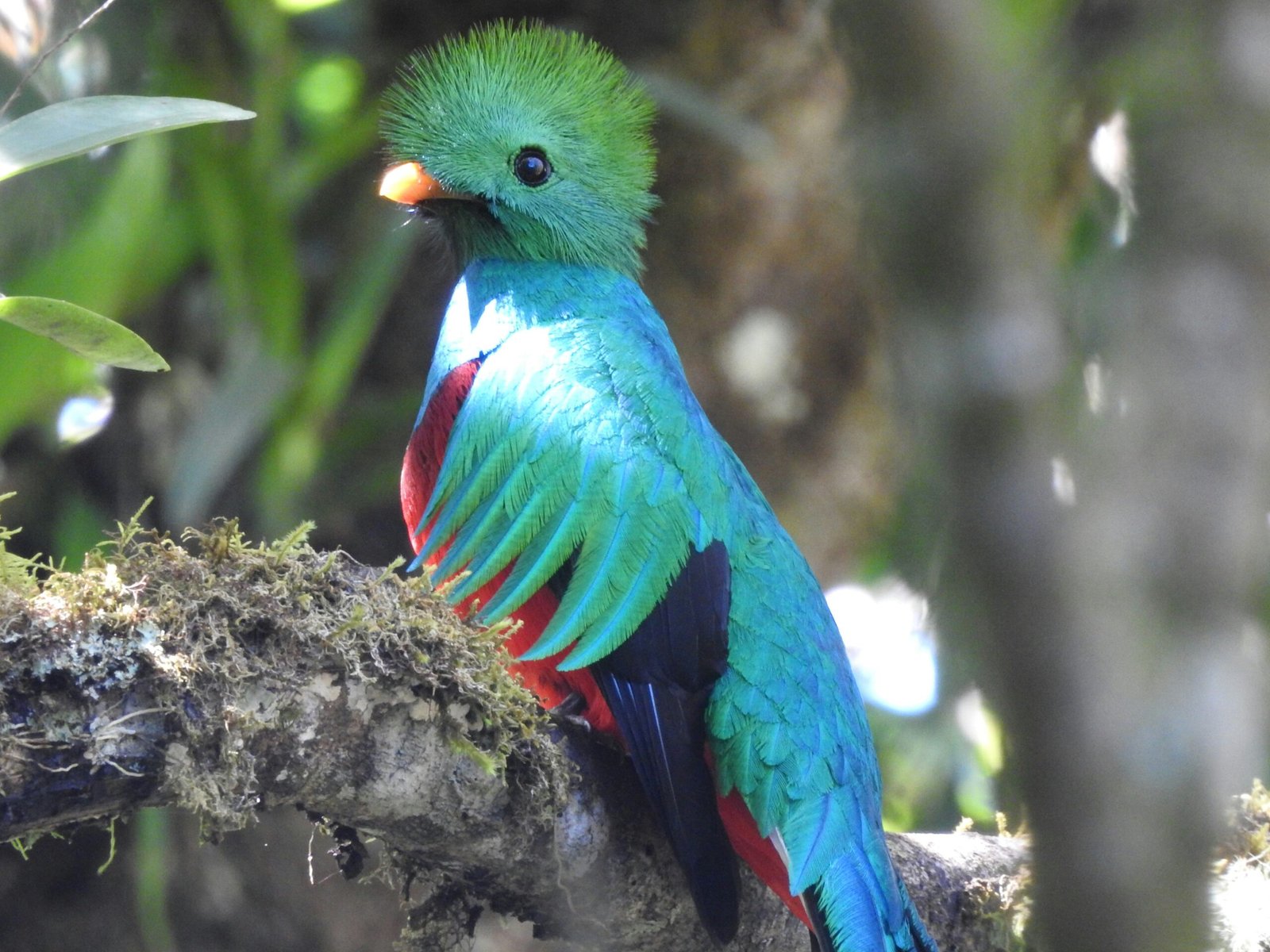
In the beautiful Talamanca Mountains, the Savegre Valley offers a more peaceful alternative to Costa Rica’s busier cloud forest destinations.
The small village of San Gerardo de Dota lies among steep forested slopes, clear mountain streams and ancient oak woodland, close to Los Quetzales National Park.
This is one of Costa Rica’s finest locations for encountering the resplendent quetzal, particularly when birds gather around fruiting wild avocado trees.
The surrounding forests also support fiery-throated hummingbirds, emerald toucanets, trogons and numerous other mountain bird species.
Specialist birding lodges, including Trogon Lodge, provide convenient access to excellent forest trails and guided excursions.
When to go: The Savegre Valley is rewarding throughout the year, with quetzals regularly observed in the surrounding forests. February to May, broadly coinciding with the breeding season, is particularly appealing. Temperatures are noticeably cooler than in the lowlands.
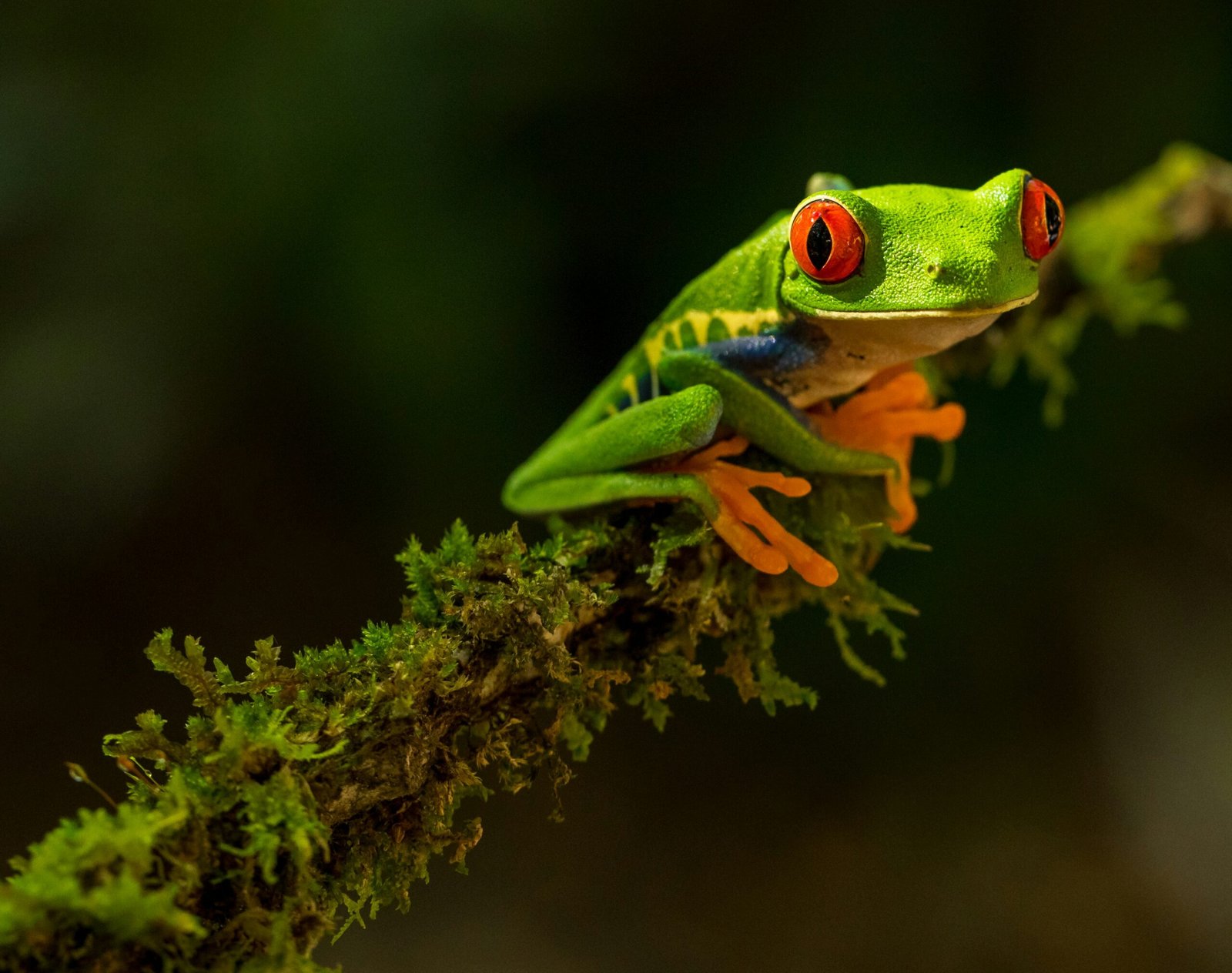
On Costa Rica’s remote south-western Pacific coast, the Osa Peninsula contains some of Central America’s most important remaining tropical lowland rainforest.
At its heart, Corcovado National Park protects an extraordinary concentration of biodiversity, with dense forests extending towards wild beaches and sheltered coastal waters.
All four of Costa Rica’s native monkey species inhabit the peninsula, alongside sloths, anteaters, Baird’s tapirs, peccaries and scarlet macaws. Jaguars and pumas are also present, although sightings are extremely rare.
Guided rainforest walks reveal an extraordinary world of colourful frogs, butterflies, reptiles and insects, while night excursions offer opportunities to discover creatures rarely seen during daylight hours.
Offshore, the sheltered waters of Golfo Dulce support dolphins and seasonal humpback whales, adding a marine dimension to this remarkable wildlife destination.
When to go: December to April generally offers the driest conditions for rainforest exploration, although wildlife watching is rewarding throughout the year. September and October are especially wet and can bring restrictions on access to Corcovado. Humpback whales visit during two main seasonal periods, broadly July to November and December to March.
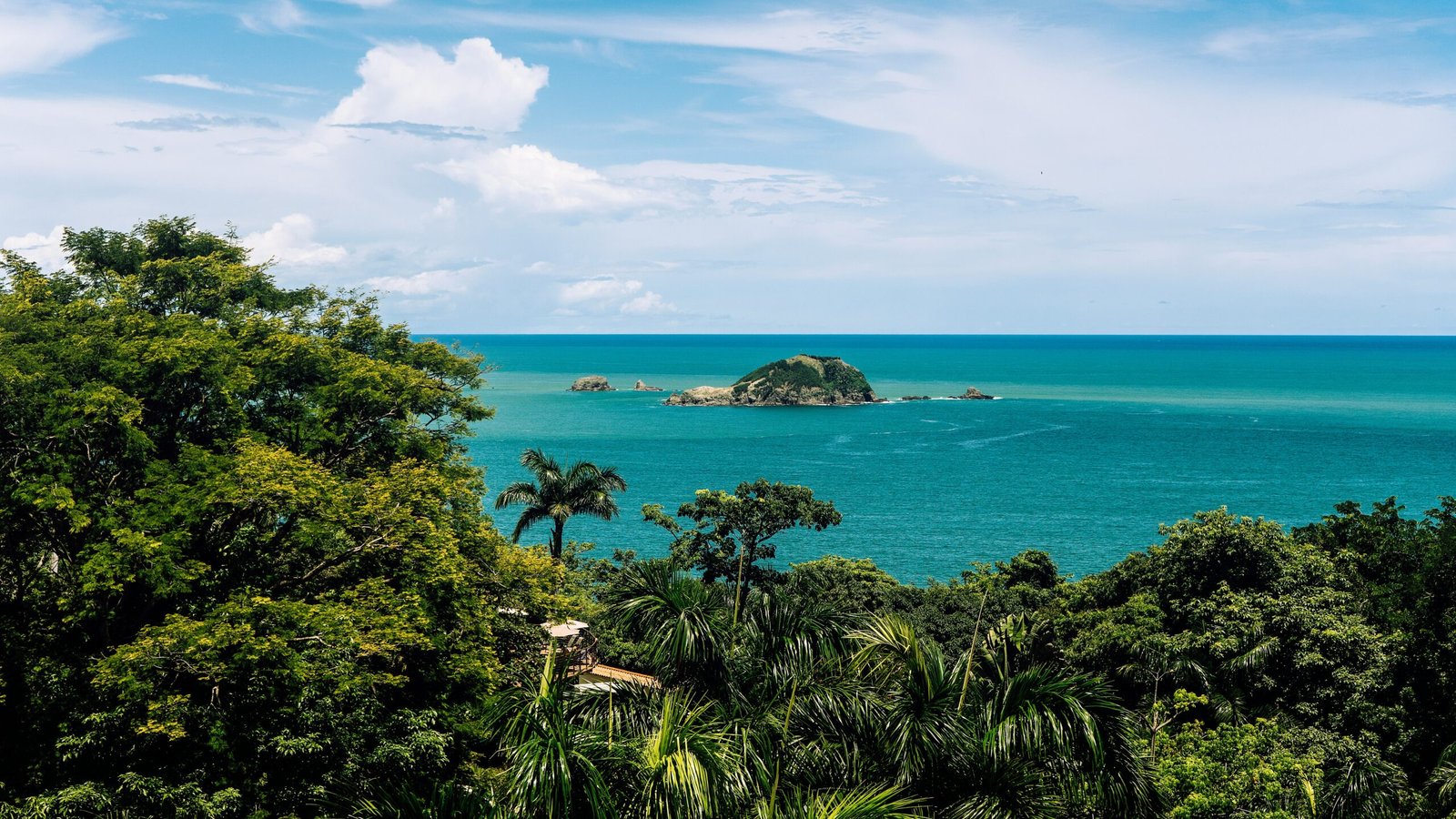
Costa Rica’s central Pacific coast combines beautiful beaches, tropical rainforest and easily accessible wildlife experiences.
Manuel Antonio National Park is one of the country’s most popular destinations, where forest trails lead to sheltered bays and white sandy beaches. Despite its modest size, the park supports an impressive variety of wildlife, including two-toed and three-toed sloths, white-faced capuchins, howler monkeys and endangered Central American squirrel monkeys.
Further north, Carara National Park protects an important transition between tropical dry forest and wetter rainforest. It is particularly renowned for its scarlet macaws, which can often be seen flying overhead in pairs.
The nearby Tárcoles River is also famous for its large American crocodiles, while the surrounding forests provide excellent opportunities for birdwatching.
When to go: December to April is generally the driest period along the central Pacific coast, making it particularly appealing for combining wildlife watching with time at the beach. The wetter months bring lush vegetation and fewer visitors.
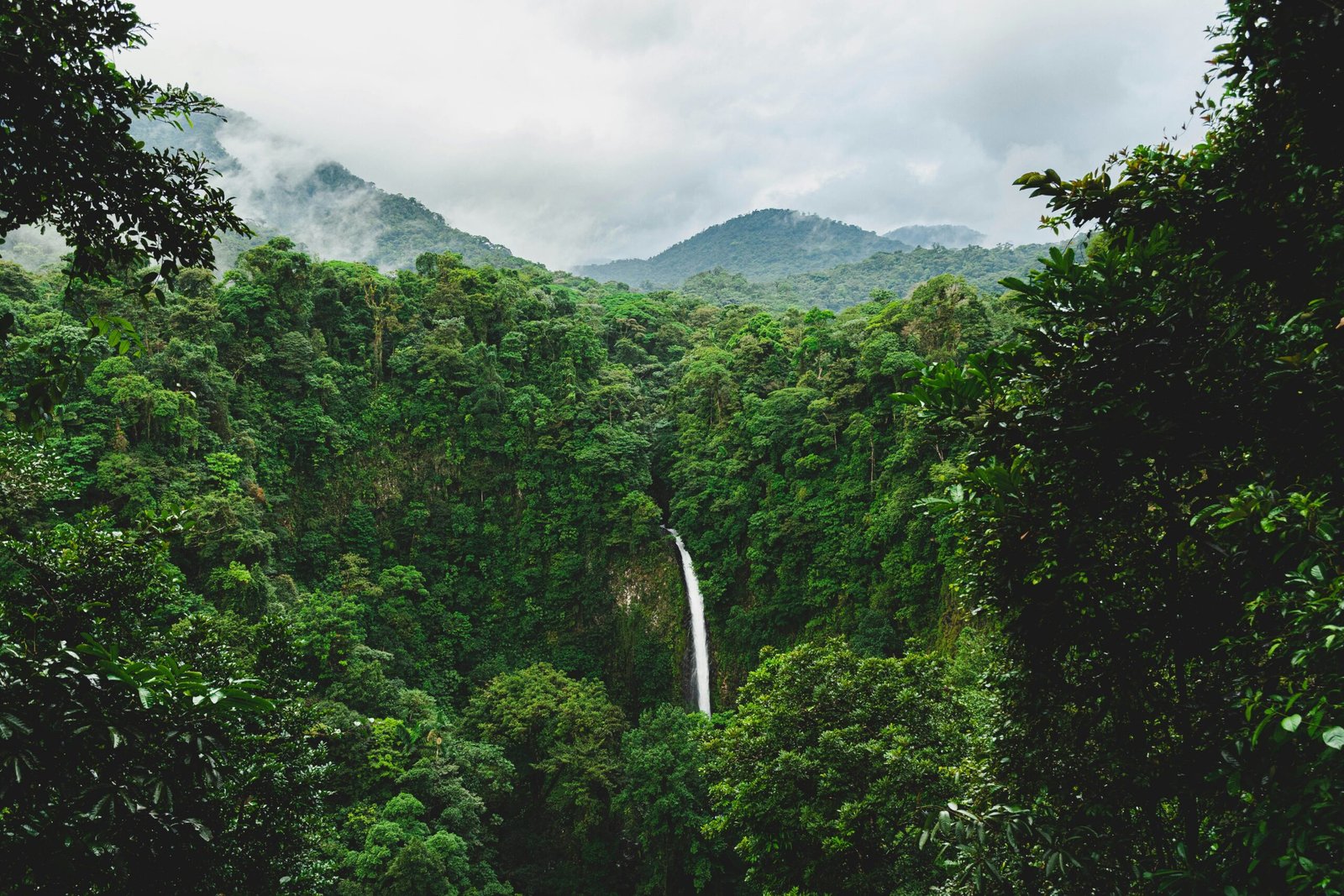
Costa Rica’s remarkable biodiversity is one of its greatest attractions, with an abundance of wildlife across its forests, wetlands and coastlines.
Mammals
- Sloths: Both two-toed and three-toed sloths inhabit Costa Rica’s forests, often resting high in the canopy. Tortuguero and Manuel Antonio are particularly rewarding locations.
- Monkeys: Howler, spider, white-faced capuchin and squirrel monkeys occur in different parts of the country, with all four native species found on the Osa Peninsula.
- Baird’s Tapirs: Central America’s largest native land mammal, most likely to be encountered in protected rainforest areas such as Corcovado.
- Coatis and Agoutis: Frequently encountered along forest trails, these fascinating mammals are often more visible than Costa Rica’s elusive wild cats.
Birds
- Resplendent Quetzals: Among Central America’s most beautiful birds, associated with the cool cloud forests of Monteverde and the Savegre Valley.
- Toucans and Aracaris: Colourful forest birds, often seen feeding in fruiting trees.
- Scarlet Macaws: Particularly associated with the Osa Peninsula and Carara National Park.
- Hummingbirds: Costa Rica supports an extraordinary diversity of hummingbirds, from rainforest species to those inhabiting high mountain cloud forests.
Reptiles, Amphibians & Marine Wildlife
- Sea Turtles: Green turtles nest in large numbers at Tortuguero, while leatherback, hawksbill and other species also use Costa Rica’s beaches.
- Tree Frogs: The red-eyed tree frog is one of Costa Rica’s most recognisable species, alongside colourful poison dart frogs and delicate glass frogs.
- Caimans and Crocodiles: Spectacled caimans inhabit freshwater wetlands, while large American crocodiles are particularly associated with the Tárcoles River.
- Whales and Dolphins: Humpback whales visit Costa Rica’s Pacific waters seasonally, while several dolphin species inhabit coastal habitats, including Golfo Dulce.