
CANADA
Canada is a land of spectacular landscapes and unforgettable wildlife encounters. From the ancient rainforests of British Columbia to the soaring Rockies and remote Arctic tundra, this vast country offers a wonderful sense of space and adventure.
Along Canada’s wild Pacific coast, grizzly bears gather beside salmon-rich rivers, orcas patrol sheltered waterways and humpback whales feed offshore. The magnificent Great Bear Rainforest offers exceptional wildlife experiences, including the chance to encounter the elusive white spirit bear. Remote wilderness lodges, small-ship voyages and guided excursions provide memorable ways to explore this extraordinary coastline.
Beyond the Pacific coast, Canada’s wildlife is equally compelling, from wolves, elk and bears in the Rockies to polar bears and beluga whales in Churchill, and whales and seabirds along the Atlantic coast. Through our specialist travel partners, you can explore these remarkable destinations on carefully chosen wildlife journeys while also supporting Explorers Against Extinction at no additional cost to you.
Into The Wild.
CANADA JOURNEY INSPIRATION
Our travel network specialises in tailormade holidays and carefully selected small-group journeys, with a focus on responsible wildlife travel. Wherever possible, we favour lower-impact experiences, locally owned or community-connected accommodation, and operators whose work supports conservation and local livelihoods.
Below you’ll find a selection of suggested trips, with price guides, combining destinations, camps and lodges that we think work particularly well together. There are many more possibilities, so these are intended simply as a starting point.
When you’re ready to explore your options, please complete an enquiry form. We’ll put you in touch with the most relevant specialist partner team, who can discuss your interests and budget and either tailor an itinerary for you or recommend the most suitable small-group departure.
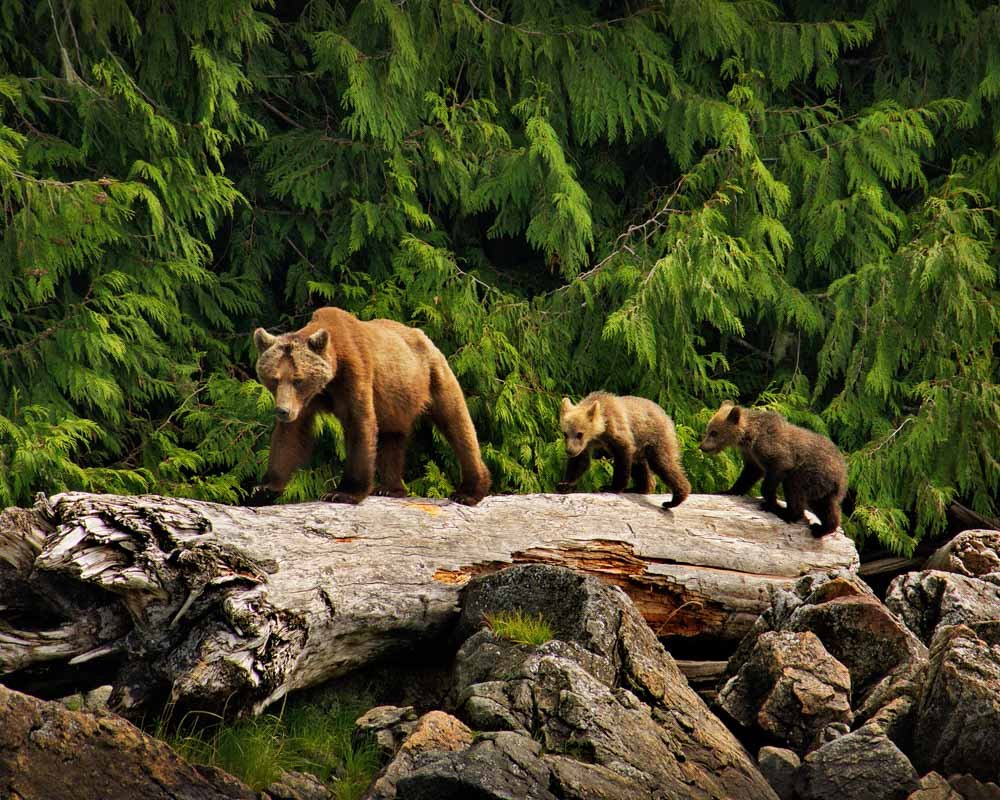
Discover the wild beauty of British Columbia’s Great Bear Rainforest on this memorable bear-watching journey, combining Vancouver and Vancouver Island with a stay at a remote wilderness lodge in the heart of grizzly bear country.
The highlight is four nights at Knight Inlet Lodge, a floating wilderness retreat surrounded by ancient temperate rainforest and spectacular coastal mountains. Here, grizzly bears gather along the shoreline and salmon-rich rivers, offering exceptional opportunities to observe and photograph these magnificent animals in their natural habitat. Depending on the season, excursions take place by boat or from dedicated viewing platforms overlooking the salmon spawning channels.
Beyond the bears, the sheltered waterways of British Columbia support orcas, Pacific white-sided dolphins, Dall’s porpoises and bald eagles. With experienced local naturalist guides, comfortable accommodation and the excitement of arriving at your wilderness lodge by floatplane, this is a wonderful introduction to Canada’s wild Pacific coast.
Day 1: Vancouver
Fly from the UK to Vancouver, beautifully situated between the Pacific Ocean and the forested Coast Mountains.
Depending on your arrival time, there may be an opportunity to explore this vibrant waterfront city, perhaps visiting Stanley Park or strolling around Granville Island.
Overnight at Sandman Hotel Vancouver Airport, conveniently located for your onward journey.
Day 2: Campbell River
Take a short domestic flight to Campbell River, on the eastern coast of Vancouver Island.
Known for its salmon-rich waters, Campbell River is the gateway to some of British Columbia’s finest coastal wilderness. Enjoy views across Discovery Passage towards the rugged mountains of the mainland, with opportunities to spot bald eagles and other coastal wildlife.
Overnight at Comfort Inn & Suites, Campbell River, overlooking the waterfront.
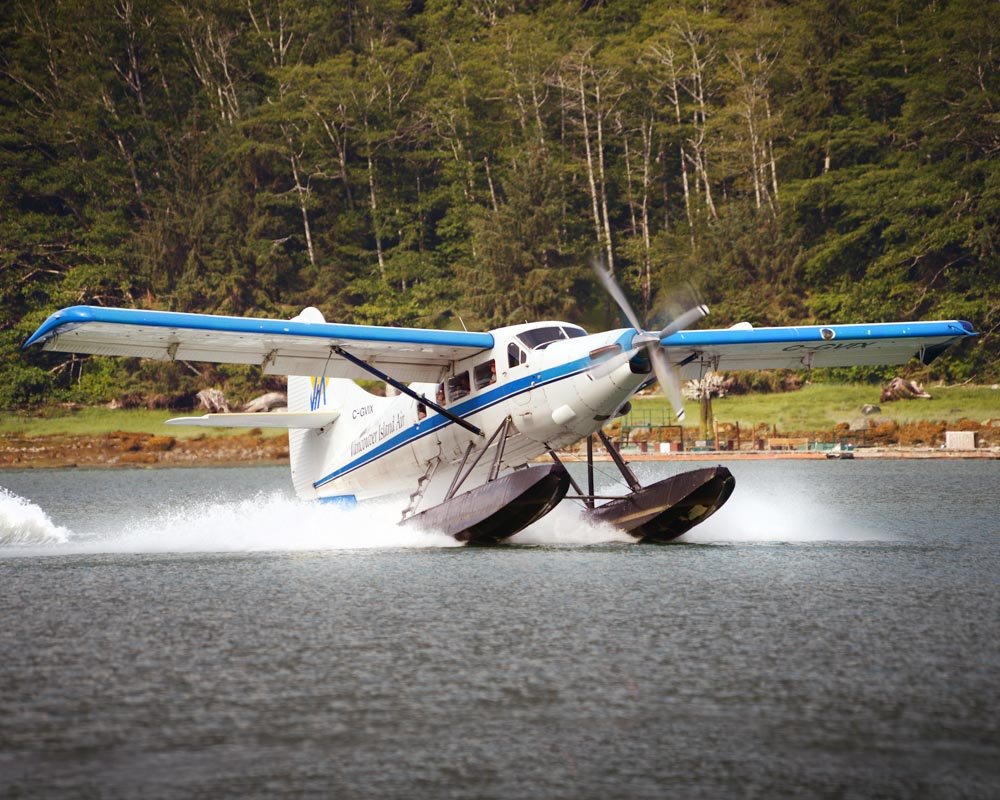 Day 3: Knight Inlet & the Great Bear Rainforest
Travel by floatplane across the spectacular coastal waterways to Glendale Cove in Knight Inlet, deep within the Great Bear Rainforest.
Surrounded by forested mountains and sheltered waters, Knight Inlet Lodge provides a remarkable base for exploring one of Canada’s richest grizzly bear habitats.
After settling into your accommodation, head out with an experienced local guide for your first bear-watching excursion, searching the shoreline and nearby waterways for these magnificent animals.
Begin your four-night stay at Knight Inlet Lodge, with all meals included.
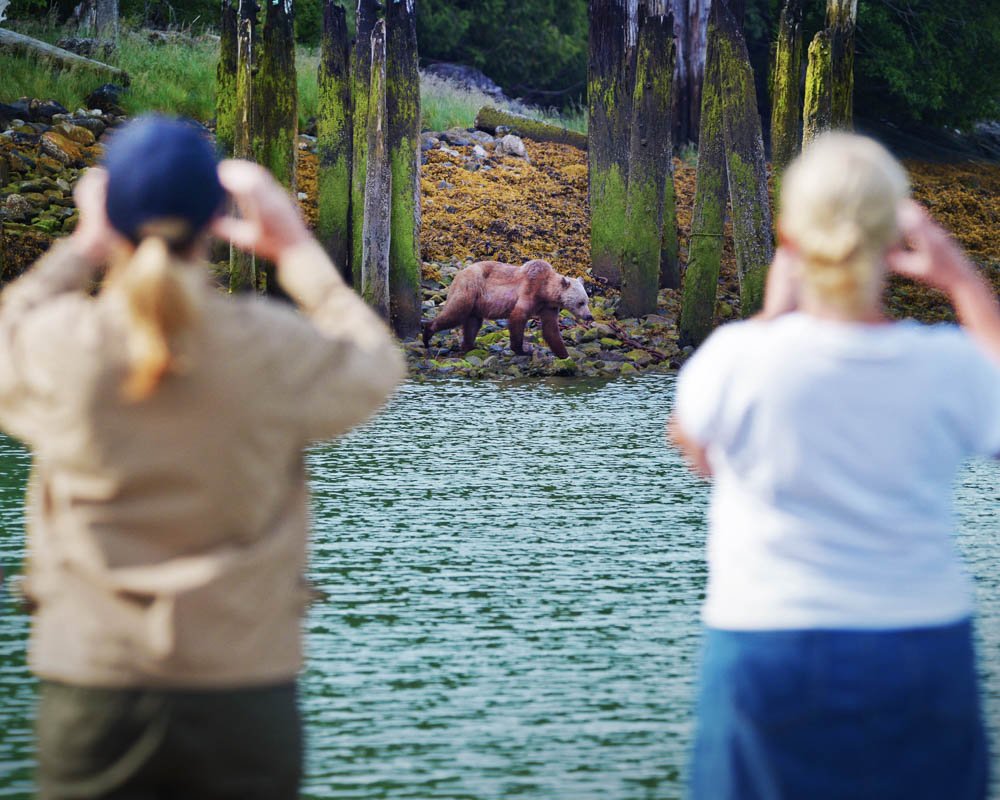 Days 4–6: Grizzly Bear Watching at Knight Inlet
Spend three full days exploring the extraordinary wilderness surrounding Glendale Cove, renowned for its high concentration of grizzly bears.
Daily excursions with experienced local guides provide opportunities to watch bears feeding, foraging and moving through their natural habitat. Earlier in the season, bear watching is generally conducted from boats, while from late August, as the salmon runs develop, viewing takes place from dedicated platforms overlooking the spawning channels.
Watching a grizzly bear fishing for salmon against a backdrop of ancient rainforest is one of British Columbia’s most memorable wildlife experiences.
Depending on conditions, there may also be opportunities for marine wildlife watching in Johnstone Strait, guided kayaking, birdwatching excursions or walks through the temperate rainforest.
Return each evening to the comfort of Knight Inlet Lodge, where naturalist presentations and the peaceful surroundings provide a fitting end to the day.
Days 7–8: Return to Vancouver
Leave Knight Inlet Lodge by floatplane and return to Campbell River, connecting with your domestic flight to Vancouver.
Responsible travel
This itinerary includes an extended stay in the Great Bear Rainforest, one of the world’s most important temperate rainforest ecosystems and a vital habitat for grizzly bears and other wildlife.
At Knight Inlet Lodge, bear watching is led by experienced local naturalist guides, with excursions planned around seasonal bear activity. Wildlife is observed from boats or dedicated viewing platforms, allowing close encounters while helping minimise disturbance to the animals.
The lodge’s nature-focused excursions encourage a greater understanding of the rainforest ecosystem and the importance of protecting Canada’s coastal wilderness.
Why we like this trip
A wonderful choice for travellers wanting to experience grizzly bears in their natural habitat, staying in the heart of British Columbia’s spectacular Great Bear Rainforest.
Knight Inlet Lodge is a floating wilderness lodge offering simple but comfortable accommodation, with 18 en-suite rooms and welcoming communal spaces. Its real appeal lies in its extraordinary location, surrounded by ancient forests, towering mountains and sheltered waterways. We particularly like the extended stay, the exceptional bear-watching opportunities and the memorable floatplane journey into this remote wilderness. It’s a trip where the wildlife and the setting are very much the stars of the show.
Price Guide
Per person sharing: from £4,195 per person excluding international flights.
Our specialist travel partners can arrange international flights from the UK as required.
-
- This tailormade itinerary is best enjoyed during the bear-watching season, with the experience varying according to the timing of the salmon runs.
-
May–June: Bears emerge from winter and forage along shorelines and estuaries. Viewing is mainly by boat.
-
July–August: Good opportunities to see grizzly bears feeding and moving along the coast, with viewing generally from boats.
-
Late August–October: The salmon runs attract bears to rivers and spawning channels. This is the best period to watch grizzlies fishing for salmon, often from dedicated viewing platforms.
-
- This trip starts and ends in Vancouver, with four nights at Knight Inlet Lodge.
- This trip can be adapted to suit you.
- This tailormade itinerary is best enjoyed during the bear-watching season, with the experience varying according to the timing of the salmon runs.
- Additional time exploring Vancouver Island or other parts of British Columbia can be arranged.
Includes
- Accommodation as indicated
- Domestic flights between Vancouver and Campbell River
- Return floatplane transfers to Knight Inlet Lodge
- Transfers as indicated
- Bed & Breakfast at Campbell River; full board at Knight Inlet Lodge
- Guided bear-watching excursions and activities
- Services of experienced local naturalist guides
Excludes
- International flights from the UK
- Travel insurance
- Gratuities
- Drinks unless stated
- Personal expenses
ENQUIRE
Images: Knight Inlet Lodge
Discover the spectacular landscapes and wildlife of western Canada on this wonderfully varied self-drive adventure, travelling from the soaring peaks of the Rocky Mountains to the wild Pacific coastline of Vancouver Island.
Beginning in Calgary, the journey takes you through Banff and Jasper National Parks, where turquoise lakes, ancient forests and snow-capped mountains provide a magnificent backdrop for wildlife watching. Look for black and grizzly bears, elk and other mountain wildlife as you explore some of Canada’s most celebrated wilderness landscapes.
Continue west through British Columbia to Vancouver Island, where ancient temperate rainforests meet the Pacific Ocean. Here, whale-watching excursions offer opportunities to encounter grey and humpback whales, sea lions and bald eagles, while black bears forage along the forested shoreline. With the freedom to explore at your own pace, this tailormade journey combines dramatic scenery, memorable wildlife experiences and some of Canada’s finest national parks.
Days 1–2: Calgary & Banff National Park
Arrive in Calgary, collect your hire car and drive west towards the magnificent Canadian Rockies.
Spend two nights in Banff, surrounded by towering mountains, forests and glacial lakes. Explore Banff National Park, Canada’s oldest national park, where grizzly and black bears, elk and other wildlife inhabit the surrounding wilderness.
Visit the famous hot springs, enjoy scenic walks or explore viewpoints overlooking the spectacular Bow Valley.
Stay at Buffalo Mountain Lodge for two nights.
Day 3: Lake Louise, Yoho National Park & Golden
Travel west through the Rockies towards Golden, stopping along the way to explore some of Canada’s most beautiful mountain scenery.
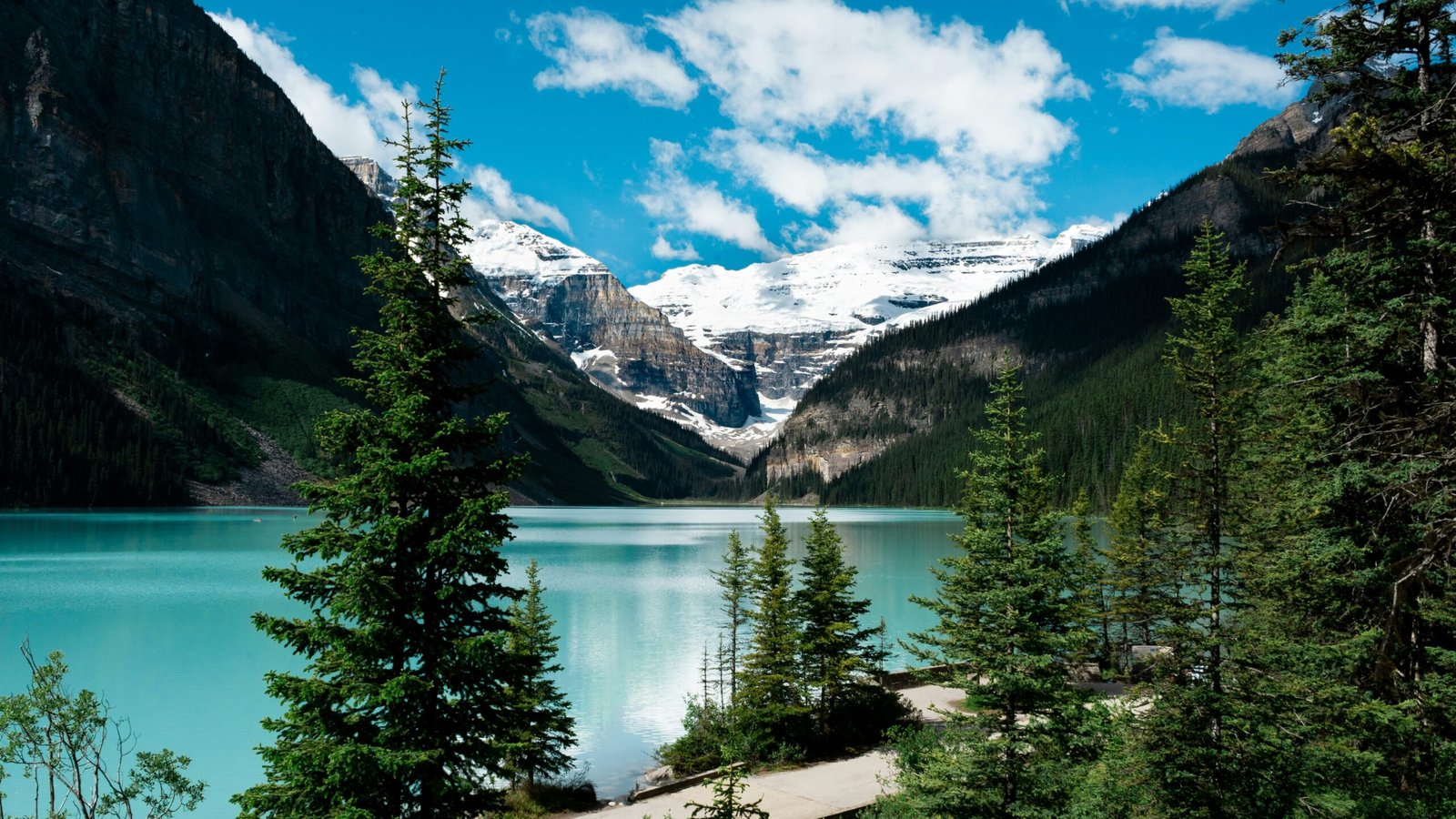
Visit the waterfalls of Johnston Canyon and the turquoise waters of Lake Louise, framed by dramatic peaks and glaciers. Continue through Yoho National Park, renowned for its forests, waterfalls and mountain landscapes.
There may also be an opportunity to visit the Northern Lights Wildlife Wolf Centre near Golden, where interpretive talks explore the important role of wolves in healthy ecosystems.
Overnight at Prestige Inn, Golden.
Days 4–5: Icefields Parkway & Jasper National Park
Follow the spectacular Icefields Parkway, one of the world’s great scenic mountain drives, travelling beneath towering peaks and past glaciers, waterfalls and brilliant blue lakes.
Continue into Jasper National Park, the largest national park in the Canadian Rockies and an outstanding destination for mountain scenery and wildlife.
Explore the surrounding forests, valleys and lakes, keeping watch for elk, moose, black bears and other wildlife. Visit beautiful Maligne Lake, enjoy mountain walks or take in the panoramic views from one of Jasper’s scenic viewpoints.
Stay at Chateau Jasper for two nights.
Day 6: Mount Robson & Clearwater
Leave Jasper and travel west through the Yellowhead Pass, crossing into British Columbia.
The route passes Mount Robson, the highest peak in the Canadian Rockies at 3,931 metres, its immense summit rising above forests and glacial valleys.
Continue through beautiful mountain scenery towards Clearwater, a gateway to the wilderness of British Columbia’s interior.
Overnight at Alpine Meadows Resort.
Days 7–8: Whistler
Continue south-west through British Columbia, passing the contrasting landscapes of Kamloops and Cache Creek before returning to the mountains around Whistler.
Surrounded by forested slopes, alpine peaks and glacial scenery, Whistler offers a wonderful range of outdoor activities, from hiking and scenic gondola rides to exploring nearby lakes and valleys.
Enjoy time discovering this spectacular mountain region at your own pace.
Stay at Aava Whistler Hotel for two nights.
Days 9–11: Vancouver Island, Tofino & Whale Watching
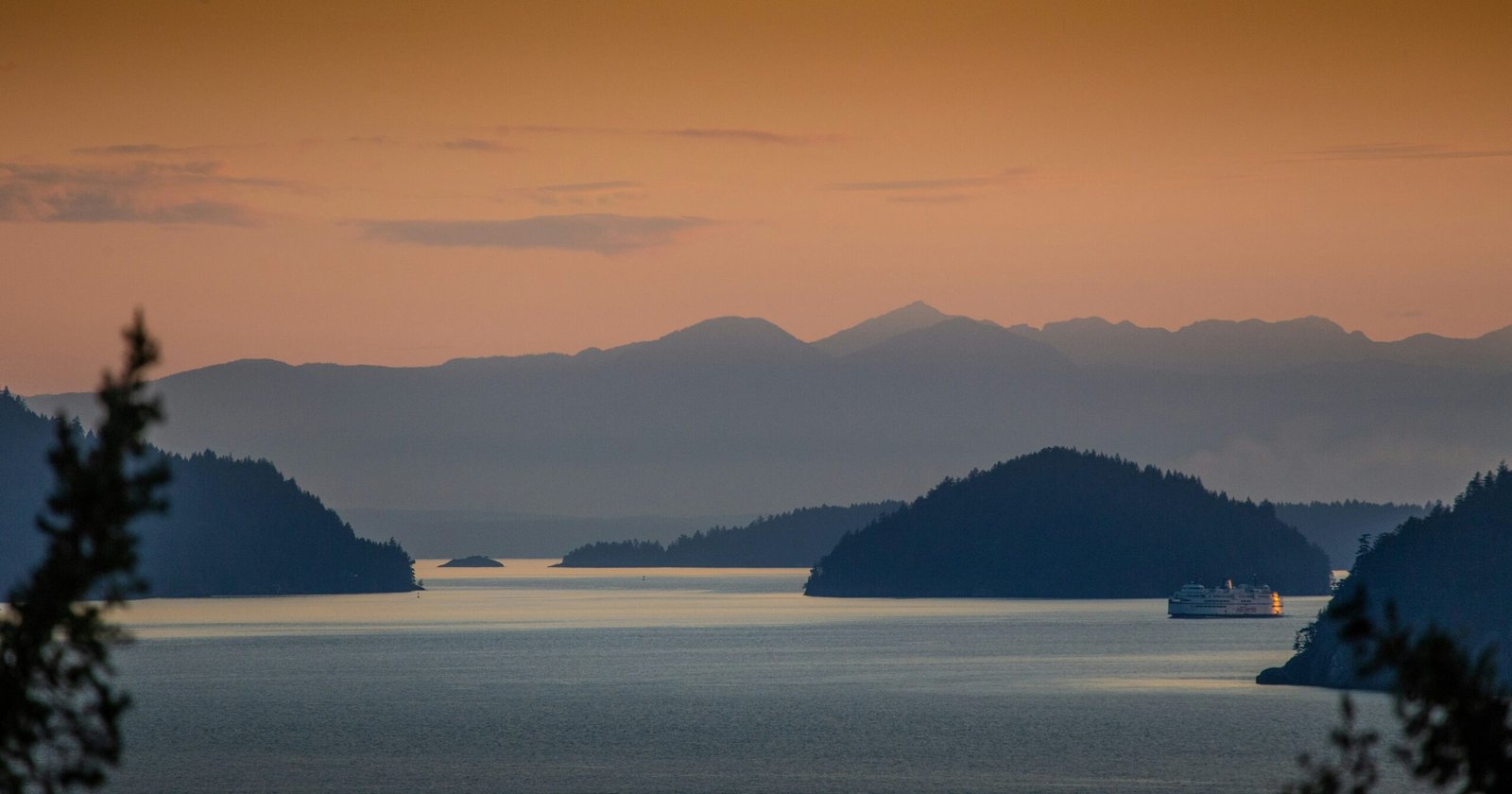
Follow the scenic Sea to Sky Highway towards the coast and take the ferry from Horseshoe Bay to Vancouver Island.
Continue across the island through ancient temperate rainforest to Tofino, a laid-back coastal town on the edge of the Pacific Ocean.
Spend three nights exploring the wild coastline of Pacific Rim National Park and the sheltered waters of Clayoquot Sound, where rainforest, rocky shores and sweeping beaches create rich habitats for wildlife.
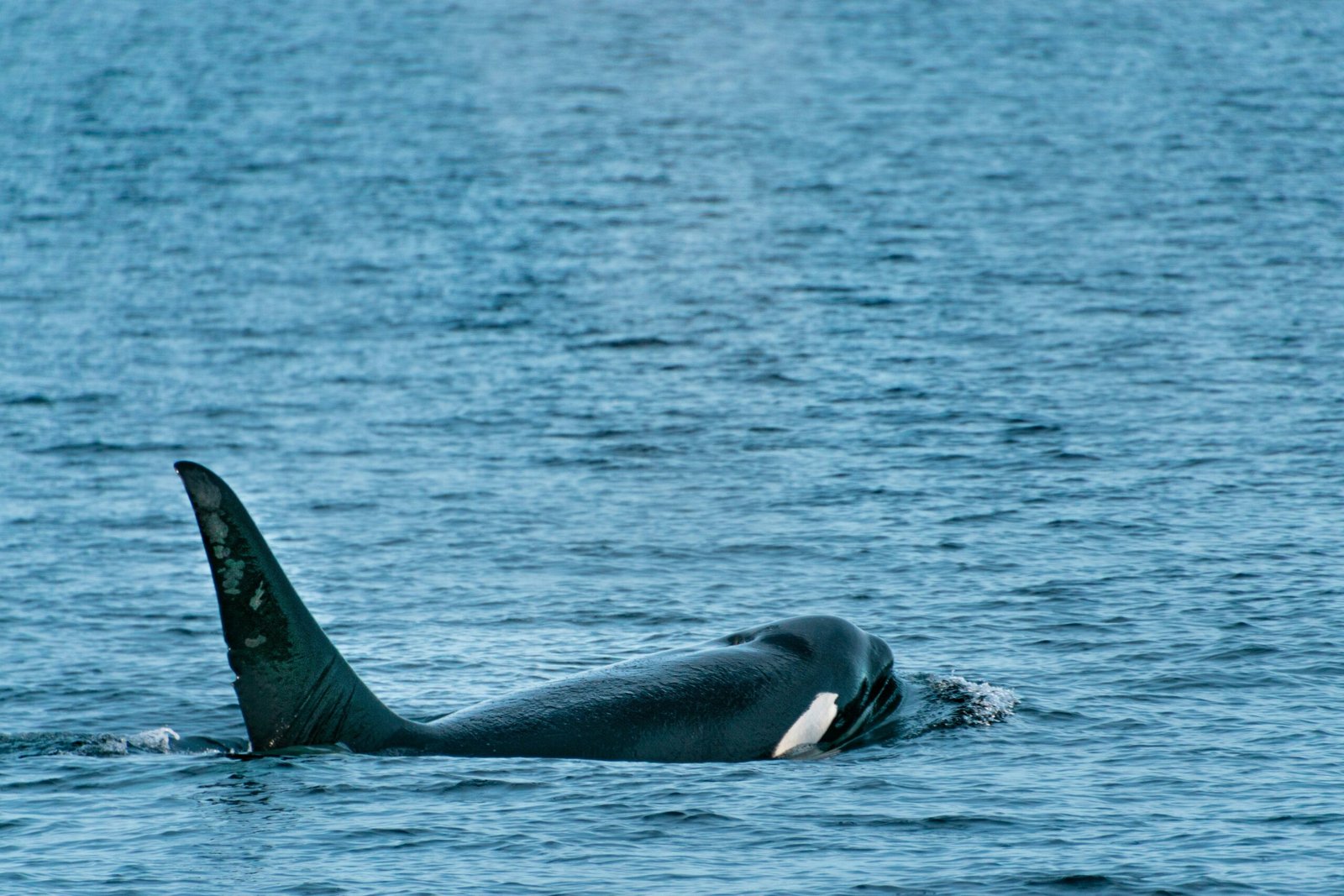
A whale-watching excursion is included, offering opportunities to encounter grey whales, humpback whales, sea lions and seabirds, with bald eagles frequently seen along the coast.
There is also the option to join a guided black bear-watching excursion, exploring sheltered inlets where bears forage along the shoreline at low tide.
Between wildlife excursions, enjoy forest walks, wild beaches and the peaceful atmosphere of Vancouver Island’s spectacular west coast.
Stay at Tofino Resort & Marina for three nights.
Day 12: Vancouver
Return across Vancouver Island and take the ferry back to the mainland, continuing to Vancouver.
Beautifully situated between the Pacific Ocean and the Coast Mountains, Vancouver offers a wonderful contrast to the wilderness landscapes of the previous days.
Explore Stanley Park, stroll along the waterfront or enjoy the city’s restaurants and cultural attractions.
Overnight at Century Plaza Hotel & Spa.
Day 13: Departure from Vancouver
Enjoy some free time in Vancouver before returning your hire car to the airport for your onward journey.
This is a suggested tailormade itinerary and can be adapted to suit your interests, preferred accommodation, budget and available time.
Responsible travel
This itinerary explores some of western Canada’s most important protected landscapes, including Banff, Jasper and Pacific Rim National Parks, each playing a vital role in conserving wildlife and natural habitats.
In the Canadian Rockies, protected forests, mountain valleys and alpine habitats support bears, elk, wolves and many other species. The suggested visit to the Northern Lights Wildlife Wolf Centre provides an opportunity to learn about wolf ecology and conservation.
On Vancouver Island, the included whale-watching excursion introduces travellers to the region’s rich marine ecosystems, while optional guided bear-watching trips offer opportunities to observe black bears foraging in their natural coastal habitat.
Travelling independently allows time to explore at your own pace, with opportunities to support local businesses and choose experiences that encourage an understanding and appreciation of Canada’s wildlife and wild places.
Why we like this trip
A wonderful choice for travellers wanting to experience the extraordinary variety of western Canada, combining the dramatic mountain landscapes of Banff and Jasper with the ancient rainforests and wildlife-rich waters of Vancouver Island.
We particularly like the freedom of the self-drive format, the spectacular journey along the Icefields Parkway and the contrast between the Rockies and the wild Pacific coast. With opportunities for bear watching, whale watching and exploring some of Canada’s finest national parks, this is a rewarding journey for wildlife enthusiasts who also enjoy spectacular scenery and independent exploration.
Price Guide
Per person sharing: from £1,995 per person excluding international flights.
Our specialist travel partners can arrange international flights from the UK as required.
- This tailormade itinerary is best enjoyed from May to September, when conditions are generally favourable for exploring the Rockies and Pacific coast.
- This trip starts in Calgary and ends in Vancouver.
- This trip can be adapted to suit you.
Includes
- Accommodation as indicated
- Hire car for the self-drive itinerary
- Whale-watching excursion in Clayoquot Sound
- Tailormade route planning and travel arrangements
Excludes
- International flights from the UK
- Travel insurance
- Meals unless stated
- Gratuities
- Optional excursions and activities
- Personal expenses
ENQUIRE
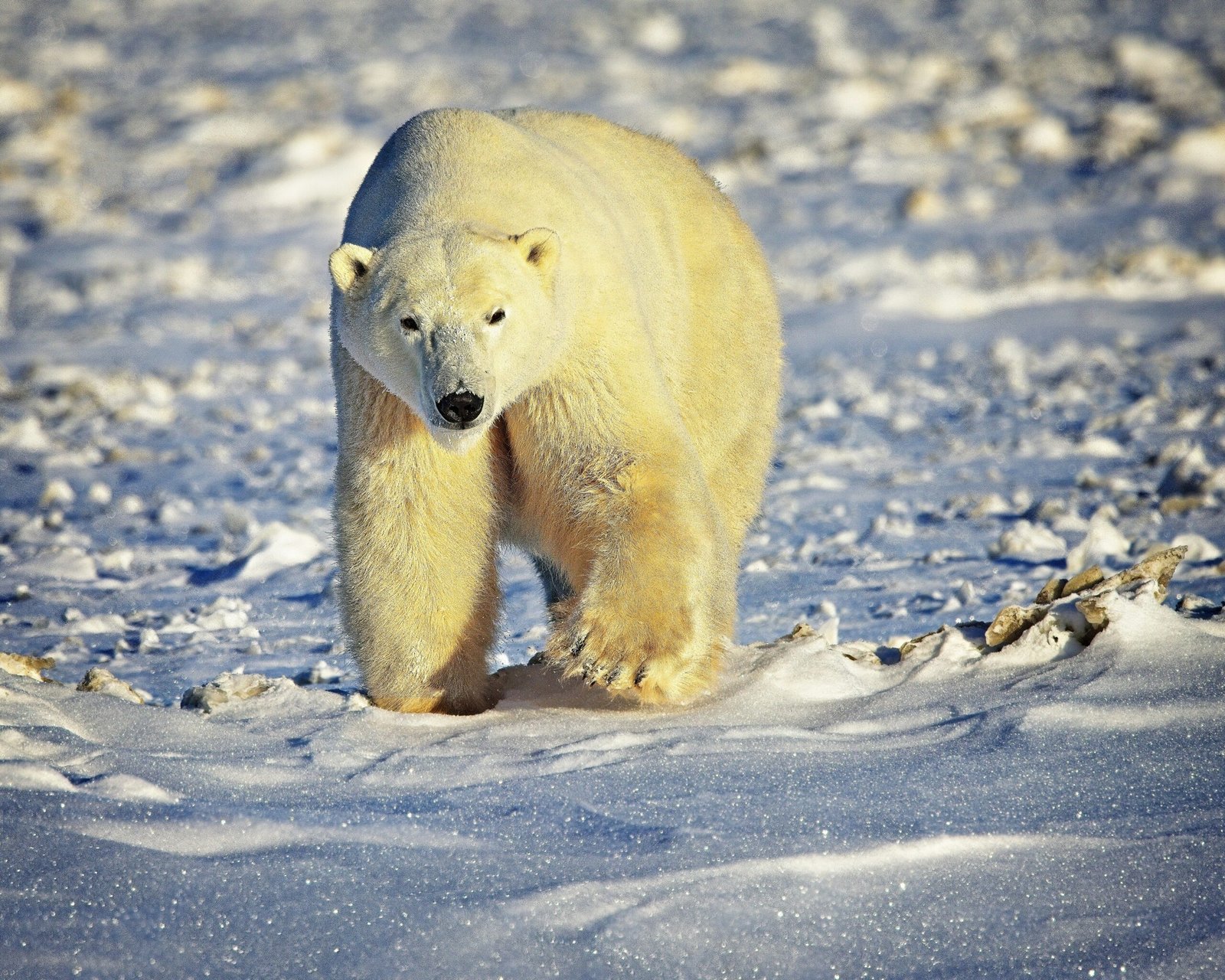
Journey into the remote Arctic wilderness of Churchill, Manitoba, one of the world’s most celebrated destinations for watching polar bears in their natural habitat. Each autumn, these magnificent animals gather along the shores of Hudson Bay, waiting for the sea ice to form so they can return to hunting seals.
This remarkable small-group adventure offers the rare opportunity to stay out on the tundra itself, in a specially designed mobile lodge positioned in an area frequented by polar bears. Watch for bears wandering across the frozen landscape, sometimes approaching remarkably close to the lodge, while raised observation decks and large windows provide exceptional viewing and photographic opportunities.
With expert naturalist guides and excursions aboard specially adapted Polar Rover vehicles, you’ll discover the fascinating wildlife and fragile environment of Canada’s sub-Arctic. There may even be opportunities to see the Northern Lights dancing across the night sky.
Day 1: Winnipeg
Arrive in Winnipeg, the capital of Manitoba and gateway to Canada’s northern wilderness.
Transfer to your centrally located hotel and meet your fellow travellers over an evening orientation dinner. Your expedition leader will introduce the journey ahead and what to expect during your time in polar bear country.
Overnight at Fort Garry Hotel, a historic landmark in the heart of Winnipeg.
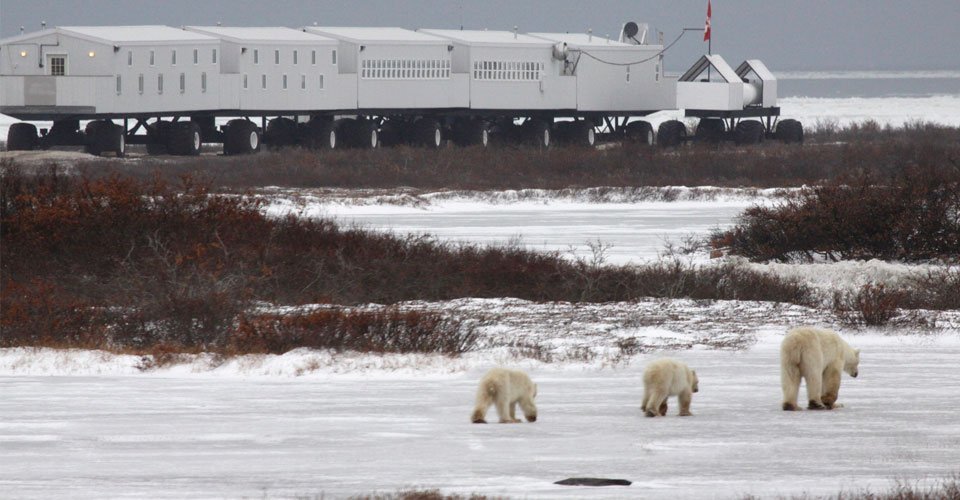 Image: Tundra Lodge, Great White Bear Tours
Day 2: Churchill & Tundra Lodge
Fly north to Churchill, a remote community on the shores of Hudson Bay, renowned for its extraordinary polar bear encounters.
From Churchill, travel across the sub-Arctic landscape to Tundra Lodge, your remarkable home for the next three nights. Positioned each autumn on the open tundra near Hudson Bay, in an area known for its high concentration of polar bears, this extraordinary lodge allows guests to remain in prime bear-watching territory around the clock.
Tundra Lodge is effectively a hotel on wheels, made up of connected, specially adapted vehicles with sleeping, dining and lounge compartments. Accommodation is simple but warm and comfortable, with 32 small single cabins, each resembling a railway sleeping compartment with an upper or lower berth. Bathroom facilities are shared, while the heated communal areas include a dining car and comfortable lounge with large windows overlooking the tundra.
Elevated outdoor viewing platforms offer excellent opportunities for watching and photographing polar bears, which sometimes wander remarkably close to the lodge. Unlike visitors staying in Churchill, guests can enjoy the possibility of wildlife encounters throughout the day and evening, without having to return to town.
After settling in, enjoy dinner and an introduction to the Arctic environment from your expedition leader. If conditions are favourable, there may even be a chance to see the Northern Lights.
Begin your three-night stay at Tundra Lodge.
Days 3–4: Polar Bear Watching on the Tundra
Spend two full days exploring the remarkable wilderness surrounding Churchill, travelling aboard specially adapted Polar Rover vehicles.
These large, heated vehicles are designed to cross the tundra and provide elevated wildlife-viewing opportunities, with generous windows and an outdoor observation platform. A maximum of 15 passengers per vehicle ensures everyone has a window seat.
Watch for polar bears roaming the tundra, mothers with cubs and younger bears interacting with one another. Your expedition leader will explain their behaviour, ecology and the extraordinary adaptations that allow them to survive in such a challenging environment.
Between excursions, enjoy the unusual experience of staying surrounded by Arctic wilderness, where bears may wander close to the lodge itself.
Evenings offer opportunities for wildlife talks, photography and, conditions permitting, another chance to see the Northern Lights.
Day 5: Churchill & Return to Winnipeg
Leave Tundra Lodge and return to Churchill, where there may be time to explore before your flight south.
Depending on your flight schedule, visit the Parks Canada interpretative centre to learn more about the region’s wildlife, history and cultural heritage.
Alternatively, an optional helicopter excursion may be available for a different perspective on the vast tundra landscape.
Fly back to Winnipeg and overnight at Fort Garry Hotel.
Day 6: Winnipeg
Enjoy some free time in Winnipeg before transferring to the airport for your onward journey.
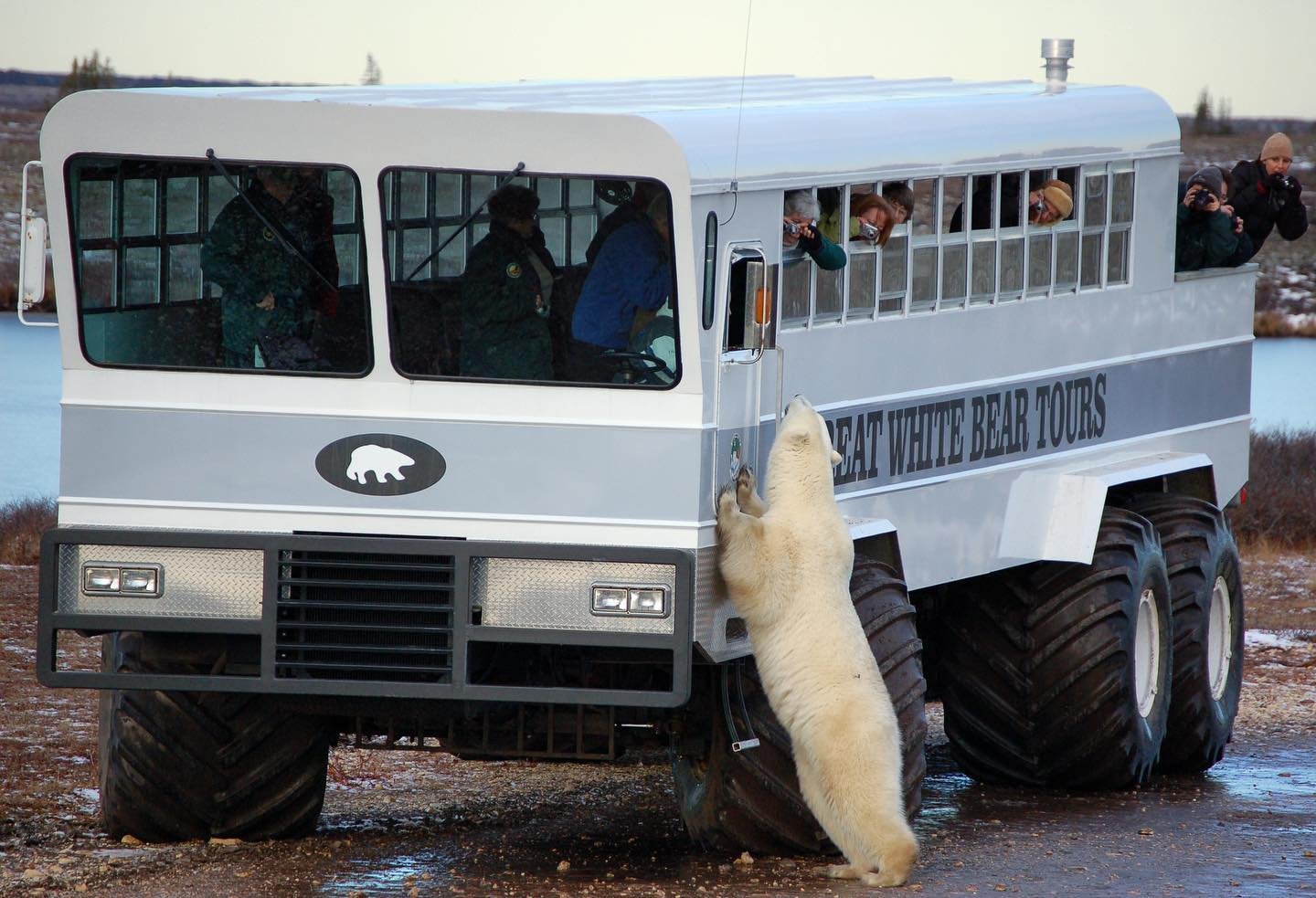 Image: Polar Rover, Great White Bear Tours
Responsible travel
This expedition explores the fragile sub-Arctic environment of Hudson Bay, where polar bears depend on seasonal sea ice to hunt seals and survive. Changes in sea ice extent and duration present significant challenges for this iconic Arctic species.
Wildlife watching is led by experienced naturalist expedition leaders, with specialist Polar Rover vehicles providing designated observation platforms for viewing bears in their natural habitat.
During the expedition, informative presentations introduce guests to polar bear behaviour, Arctic ecology and the environmental challenges facing this remarkable region.
Why we like this trip
We particularly like the opportunity to stay right in the heart of polar bear country, watching for bears from the warmth of Tundra Lodge or its elevated viewing decks. Accommodation is simple, with private sleeping compartments and shared facilities, but the location is exceptional. Combined with dedicated Polar Rover excursions and expert naturalist guiding, this is a wonderfully immersive Arctic wildlife experience.
Price Guide
Per person sharing: from £12,295 per person excluding international flights.
Our specialist travel partners can arrange international flights from the UK as required.
- This 6-day small-group expedition operates during October and November, when polar bears gather along the Hudson Bay coast ahead of the winter freeze.
- This trip starts and ends in Winnipeg, with three nights at Tundra Lodge near Churchill.
- Group departures are scheduled, with availability subject to confirmation.
- An extended itinerary with an additional night at Tundra Lodge is also available.
2027 Departure Dates
13, 16, 19 and 22 October; 11 November 2027.
All departures are on request, with availability and final pricing subject to confirmation.
Includes
- Two nights’ hotel accommodation in Winnipeg
- Three nights at Tundra Lodge
- Return domestic flights between Winnipeg and Churchill
- Transfers as indicated
- Most meals
- Guided polar bear-watching excursions aboard specialist Polar Rover vehicles
- Services of experienced expedition leaders and naturalist guides
- Wildlife presentations and interpretative activities
- Conservation fund contribution
Excludes
- International flights from the UK
- Travel insurance
- Gratuities
- Optional excursions and activities
- Drinks unless stated
- Personal expenses
ENQUIRE
CANADA GUIDE
You’ll find a short guide below.
To start planning a trip to Canada please contact us via the Enquiry Form, by email on info@realworldconservation.org.uk or on 01692 218189.
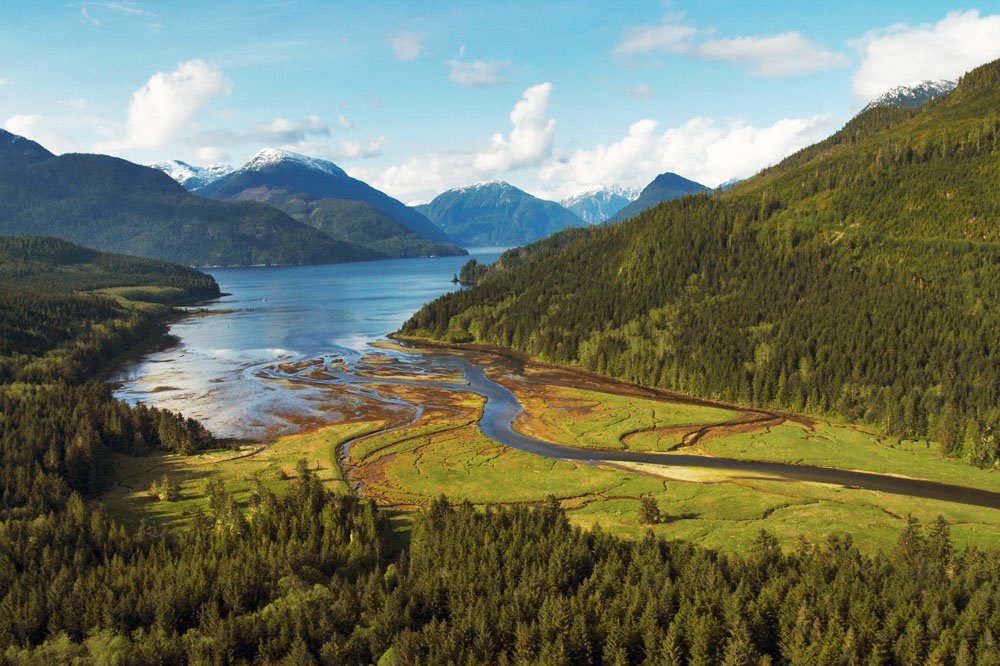 Stretching along British Columbia’s remote Pacific coast, the Great Bear Rainforest is one of the world’s largest remaining temperate rainforests. Ancient cedar and spruce forests cloak steep mountainsides, while deep fjords and sheltered inlets provide a spectacular setting for wildlife watching.
The region is particularly renowned for its grizzly bears, which gather along rivers and shorelines to forage, especially during the annual salmon runs. Black bears are also widespread, while the wider rainforest is home to the rare white-coated Kermode bear, often called the spirit bear.
Knight Inlet, a magnificent fjord extending deep into the Coast Mountains, is one of British Columbia’s finest bear-watching destinations. At Glendale Cove, visitors can stay at a remote floating wilderness lodge and explore the surrounding waterways with experienced naturalist guides.
Bear watching takes place from boats earlier in the season, while dedicated viewing platforms along the salmon spawning channels provide excellent opportunities to watch and photograph grizzlies fishing in late summer and autumn.
The surrounding coastal waters also support orcas, humpback whales, dolphins and bald eagles, adding to the rich variety of wildlife encounters.
When to go: May to October is the main bear-watching season. Spring and early summer offer opportunities to watch bears foraging along the coastline, while late August to October is particularly rewarding for observing grizzlies fishing during the salmon runs.
Image: Knight Inlet Lodge
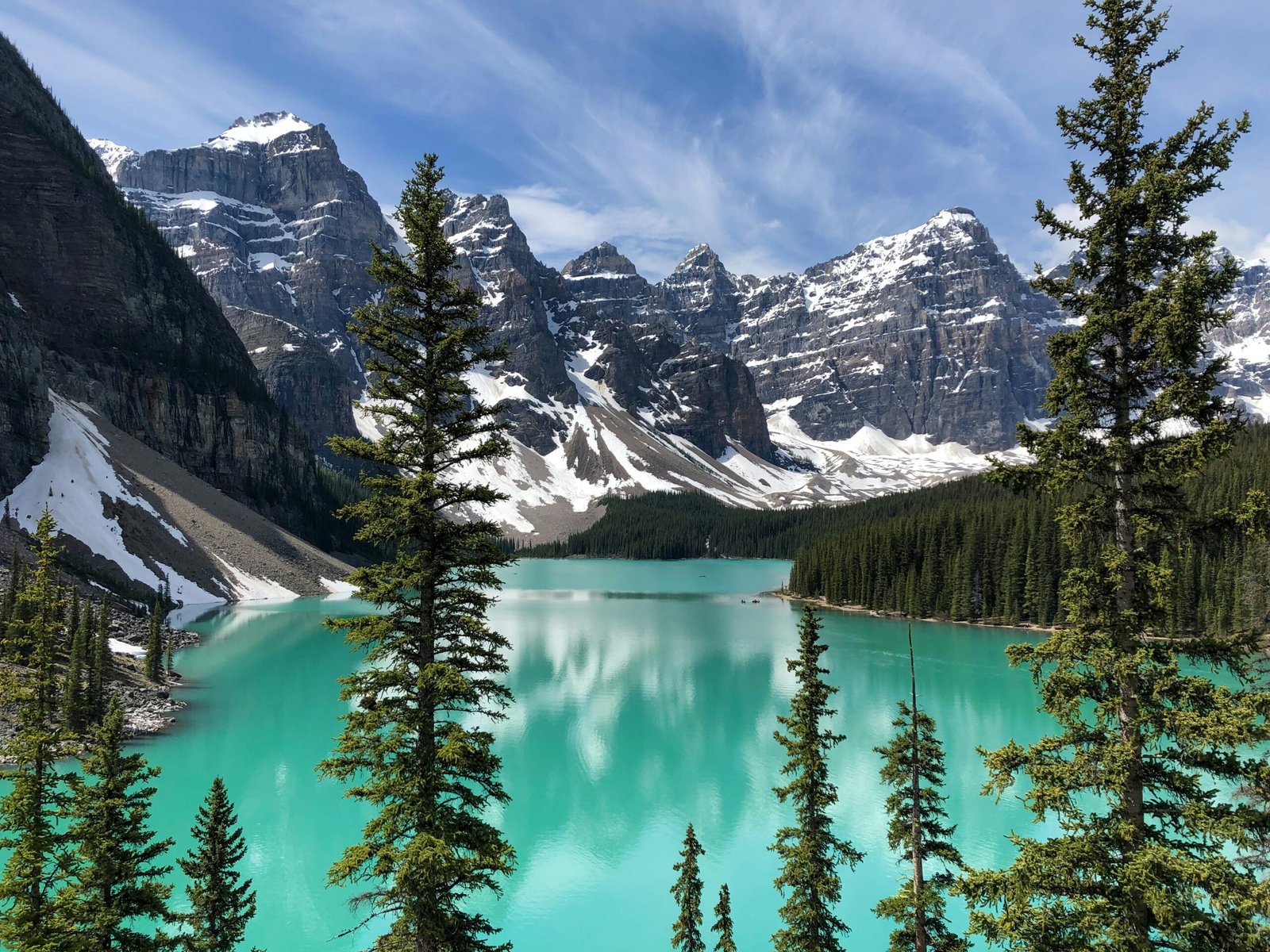 The Canadian Rockies offer some of Canada’s most breathtaking mountain scenery, with towering peaks, turquoise glacial lakes, cascading waterfalls and vast forests stretching across the provinces of Alberta and British Columbia.
Banff National Park, Canada’s oldest national park, is renowned for its spectacular landscapes, including Lake Louise, Moraine Lake and the beautiful Bow Valley. Beyond the celebrated viewpoints, the park protects important habitats for grizzly and black bears, elk, bighorn sheep and wolves.
Further north, Jasper National Park offers a greater sense of wilderness, with extensive forests, broad valleys and beautiful mountain lakes. Moose, elk, black bears and grizzlies inhabit the park, while mountain goats and bighorn sheep can be seen on higher slopes.
Connecting the two parks, the Icefields Parkway is one of North America’s great scenic drives. This remarkable route winds past glaciers, waterfalls and rugged peaks, with opportunities to stop and explore along the way.
For wildlife enthusiasts, the Rockies offer the excitement of unexpected encounters, whether an elk grazing beside a forest clearing, a bear spotted at a safe distance or bighorn sheep navigating a steep mountainside.
When to go: May to September is ideal for exploring the Rockies, with long daylight hours and generally good conditions for driving and walking. Spring and early summer can be particularly rewarding for bear sightings, while September brings beautiful autumn colours and opportunities to hear the distinctive calls of rutting elk.
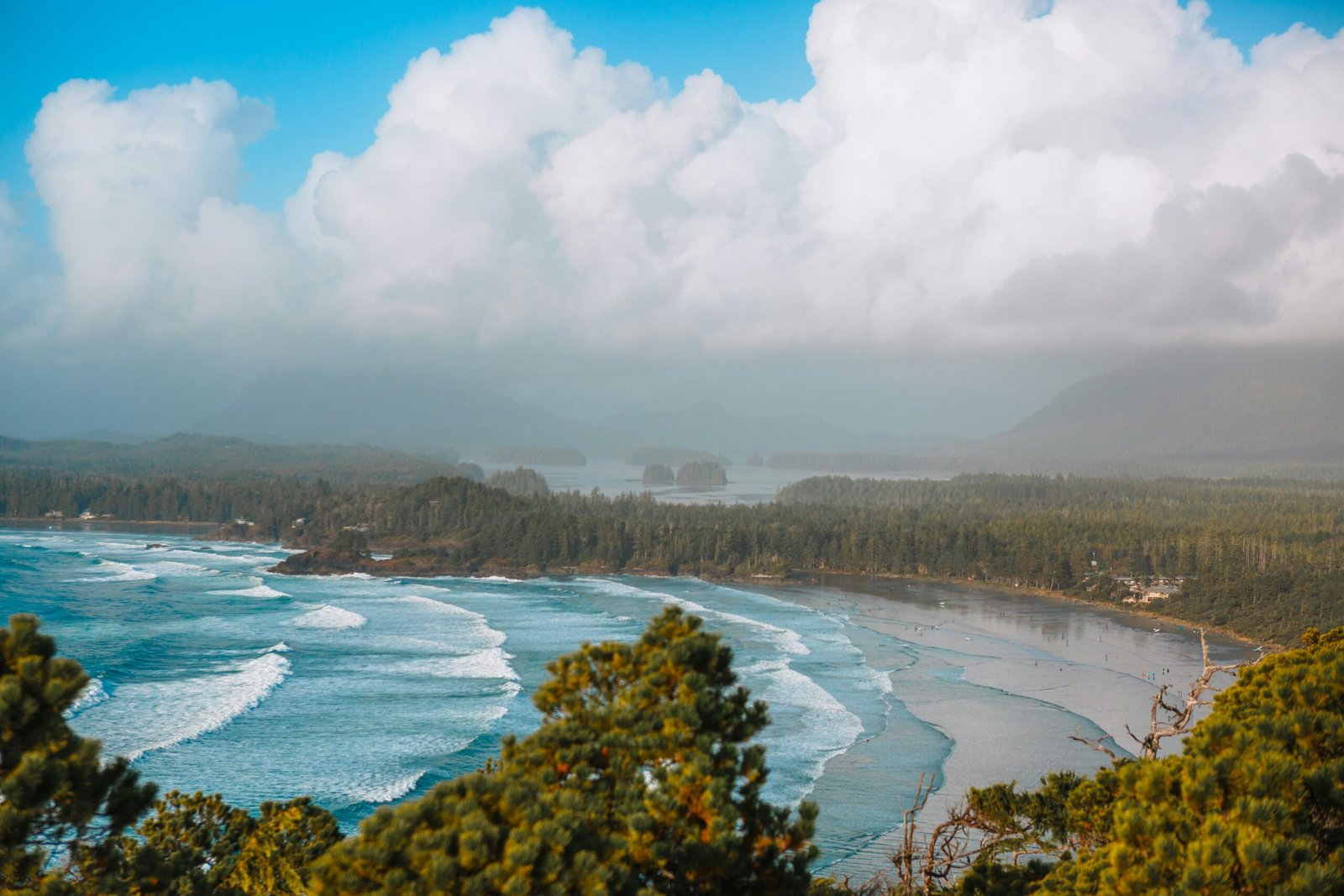
Separated from mainland British Columbia by the Strait of Georgia, Vancouver Island combines ancient temperate rainforest, rugged mountains, sheltered waterways and a magnificent wild Pacific coastline.
On the island’s west coast, Tofino and Pacific Rim National Park Reserve offer access to some of Canada’s most beautiful coastal landscapes. Towering trees, rocky headlands and sweeping beaches create a wonderful setting for exploring the natural world.
The surrounding waters of Clayoquot Sound are particularly rich in marine life. Grey whales feed in sheltered bays, humpback whales visit during summer and orcas are occasionally encountered travelling through the coastal waterways.
Sea otters, harbour seals, sea lions and bald eagles are also found here, while guided boat excursions offer opportunities to watch black bears foraging along the shoreline at low tide.
Further north, the waters around Johnstone Strait are renowned for orcas, while Campbell River provides a gateway to the remote fjords and bear-watching destinations of the mainland coast.
For travellers who enjoy combining wildlife watching with scenic drives, rainforest walks and time beside the ocean, Vancouver Island is a particularly rewarding destination.
When to go: May to September offers excellent opportunities for exploring the island and enjoying wildlife excursions. Grey whales can be seen from spring onwards, while humpback whales are particularly associated with the summer months. Black bear watching along the shoreline is generally offered from spring through autumn, depending on conditions.
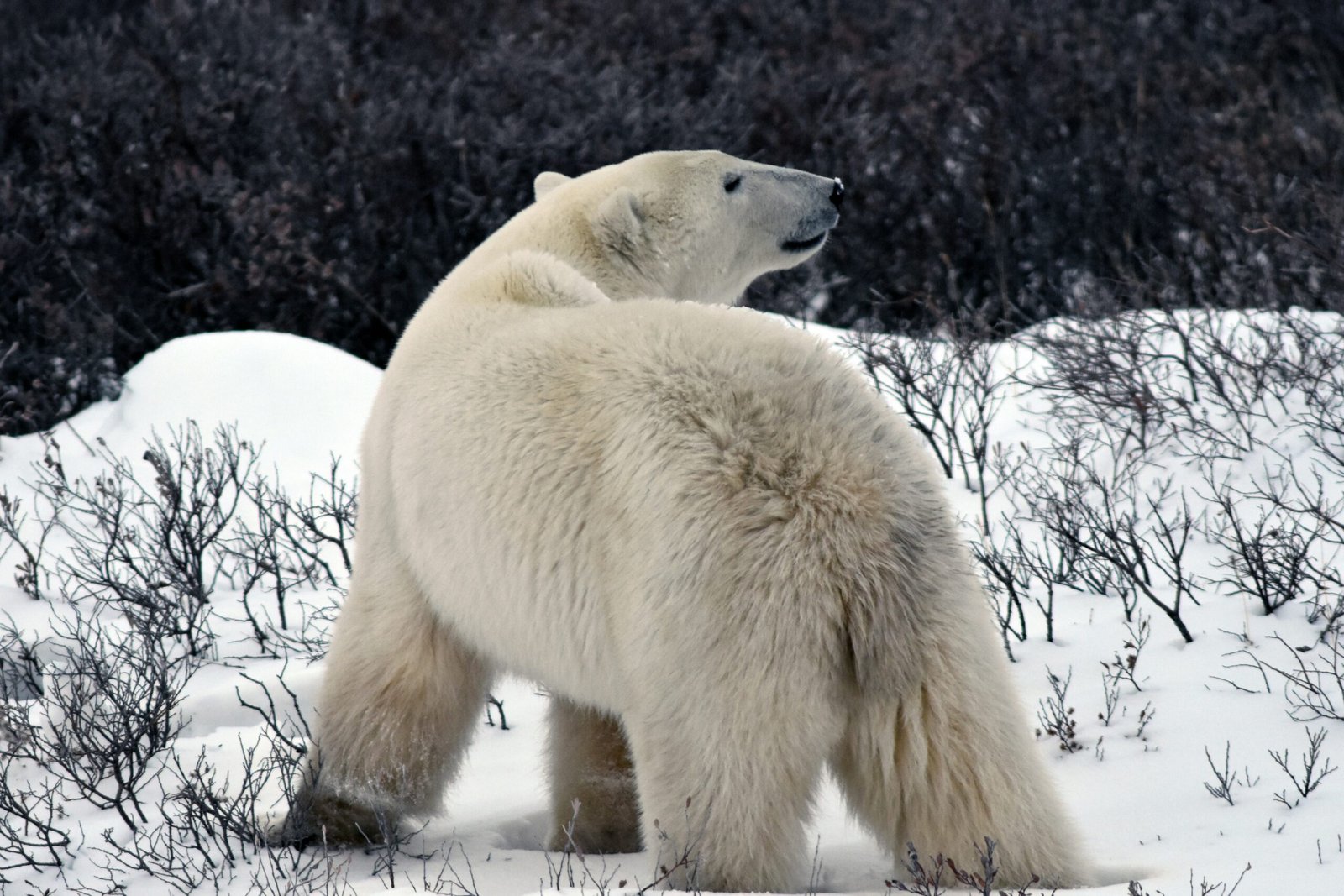 On the remote shores of Hudson Bay in northern Manitoba, Churchill is one of the world’s most celebrated destinations for watching polar bears in the wild.
Each autumn, polar bears gather along the coastline as they wait for the sea ice to form. The ice is essential to their survival, providing access to the seals on which they depend for food.
This remarkable annual gathering offers opportunities to observe polar bears moving across the Arctic tundra, sometimes interacting with one another or resting among the rocks and low vegetation.
Specialist tundra vehicles allow visitors to explore polar bear habitat safely, while the unusual Tundra Lodge, positioned out on the tundra itself, provides opportunities to watch wildlife from its elevated viewing platforms and large windows.
Churchill’s landscapes are very different from those of western Canada. Here, the open tundra, sparse vegetation and immense skies create a striking sense of remoteness, with the possibility of witnessing the Northern Lights on clear autumn nights.
The region is also famous for beluga whales, which gather in the Churchill River estuary during summer, offering an entirely different wildlife experience.
When to go: Mid-October to mid-November is the prime season for polar bear watching, when bears gather near the Hudson Bay coast ahead of the winter freeze. July and August are particularly rewarding for beluga whales, while the Northern Lights are possible on clear, dark nights during much of the year.
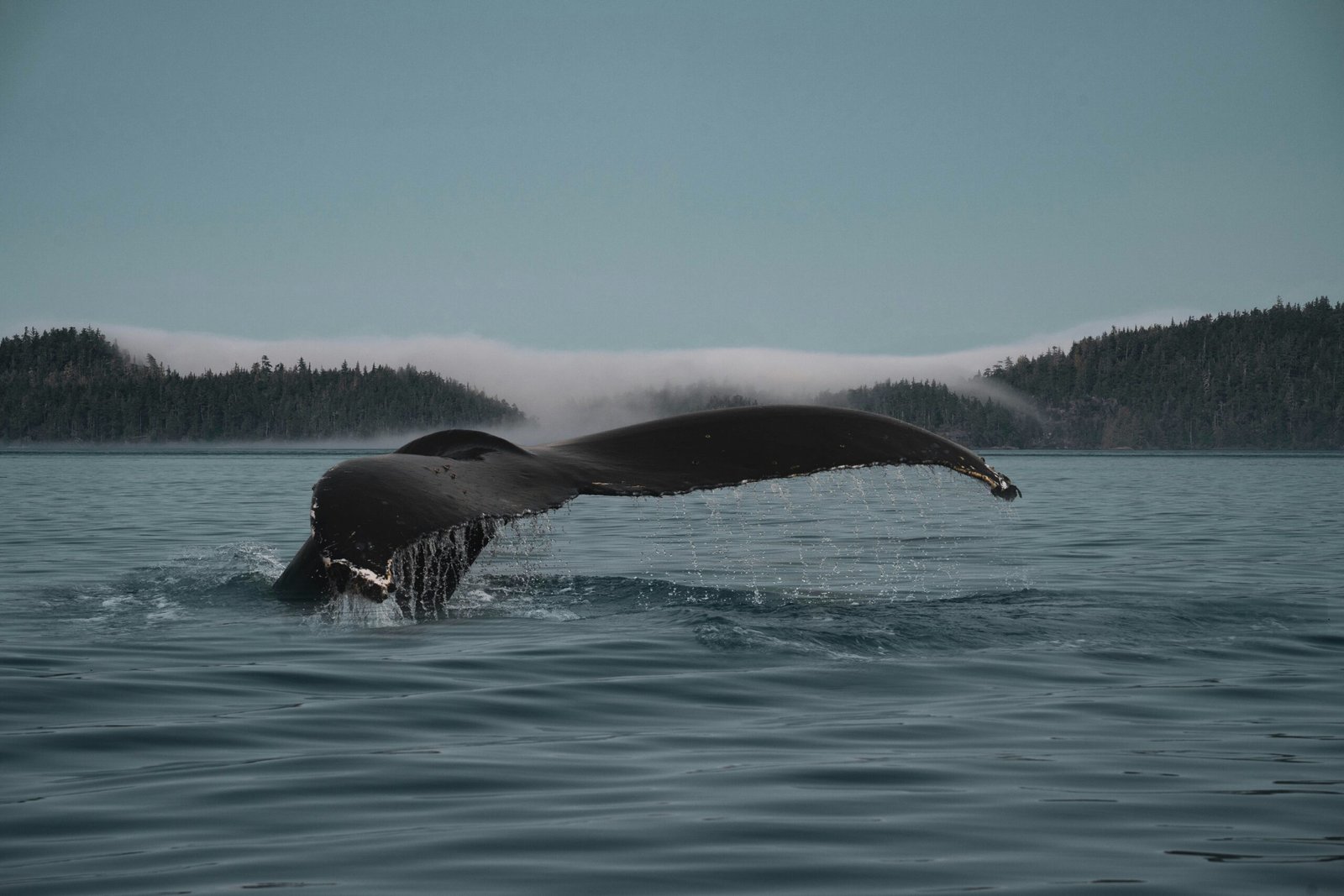 Canada’s diverse habitats support a remarkable variety of mammals and birds. While many species are associated with particular regions, wildlife encounters are often one of the most memorable and unpredictable parts of a journey.
Bears
Grizzly Bears: Among Canada’s most iconic wildlife, grizzlies inhabit the coastal rainforests and mountain regions of western Canada. The Great Bear Rainforest and Knight Inlet offer exceptional opportunities to observe them feeding and fishing for salmon.
Black Bears: Widespread across much of Canada, black bears are frequently encountered in forested regions. Vancouver Island is particularly rewarding for guided coastal bear-watching excursions.
Spirit Bears: A rare white-coated form of the American black bear, the spirit bear is found in parts of British Columbia’s coastal rainforest. Sightings are highly sought after but far from guaranteed.
Polar Bears: These magnificent Arctic predators inhabit Canada’s northern regions, with Churchill providing some of the world’s most accessible opportunities to observe them in the wild.
Marine Mammals
Grey Whales: Regular visitors to the waters around Vancouver Island, particularly Clayoquot Sound, where they forage for food along the seabed.
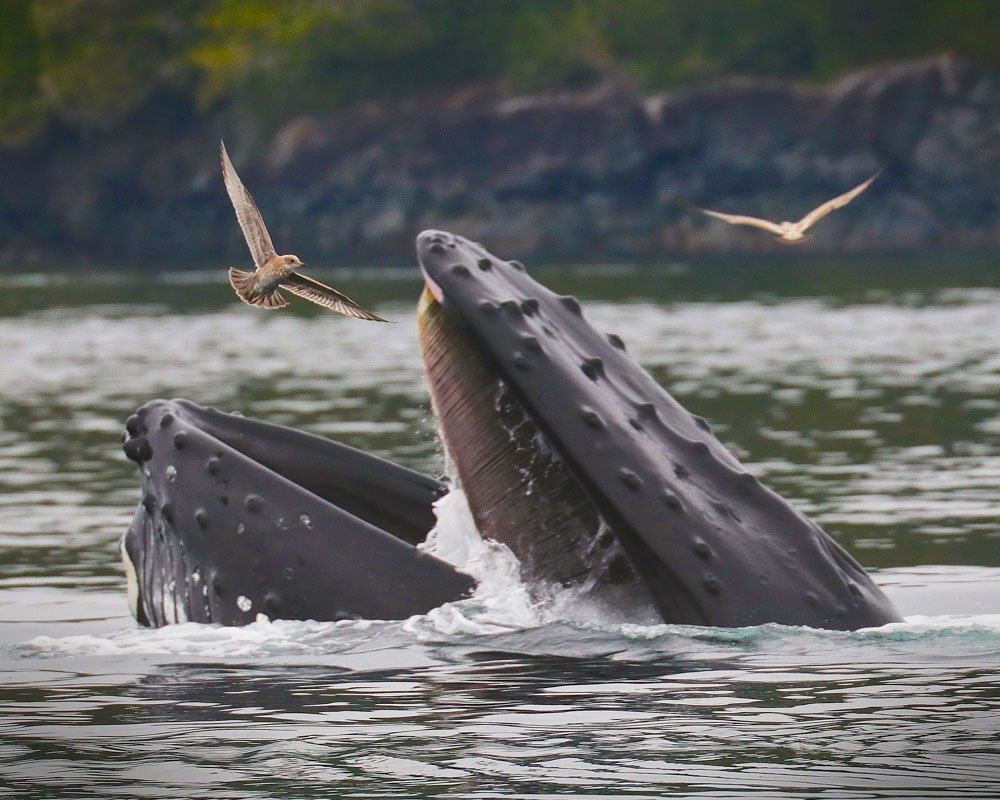
Humpback Whales: Known for their spectacular breaches and powerful tail flukes, humpbacks feed in the nutrient-rich waters of Canada’s Pacific coast during summer.
Orcas: Found along British Columbia’s coastline, particularly around northern Vancouver Island and Johnstone Strait. Their complex social lives and distinctive black-and-white markings make them unforgettable to encounter.
Beluga Whales: Thousands of these striking white whales gather in the waters around Churchill during summer, particularly in the Churchill River estuary.
Sea Otters and Sea Lions: Commonly encountered along the Pacific coast, with sea otters often floating among kelp beds and Steller sea lions gathering on rocky shores.
Land Mammals & Birds
Elk and Moose: Two of Canada’s most impressive large mammals, found in forested valleys, wetlands and mountain landscapes. Banff and Jasper offer opportunities for sightings.
Wolves: Elusive predators inhabiting the forests and wilderness regions of Canada, including the Rocky Mountains and parts of British Columbia.
Bighorn Sheep and Mountain Goats: Well adapted to steep terrain, these impressive climbers inhabit the rugged slopes of the Canadian Rockies.
Bald Eagles: Frequently encountered along British Columbia’s coast, particularly around salmon-rich rivers and sheltered waterways.
Puffins and Other Seabirds: Canada’s coastal waters support a rich variety of seabirds, including puffins, cormorants, guillemots and auklets, with species varying between the Pacific and Atlantic coasts.