
Lighting Up Time

Project: Lighting Up Time

Solar Lighting for Communities & Forest Camps in Bandhavgarh, India

2026 Project Partners: The Corbett Foundation (TCF) and 2 Legs for 4

Working across India, The Corbett Foundation supports wildlife conservation through community engagement, habitat protection and human–wildlife conflict mitigation. 2 Legs for 4 is a 1,000-mile fundraising challenge raising awareness and support for Bengal tiger conservation, led by photographer and conservationist Paul Goldstein.

Donate or Set up a Fundraising Page to support this project here.

ABOUT THE CORBETT FOUNDATION

The Corbett Foundation works across some of India’s most important wildlife landscapes, supporting conservation through community engagement, habitat protection and practical human–wildlife coexistence initiatives. Operating in regions including Uttarakhand, Maharashtra, Assam and Madhya Pradesh, the organisation focuses on solutions that benefit both people and wildlife, recognising that long-term conservation success depends on local communities being able to live safely alongside nature.

BANDHAVGARH

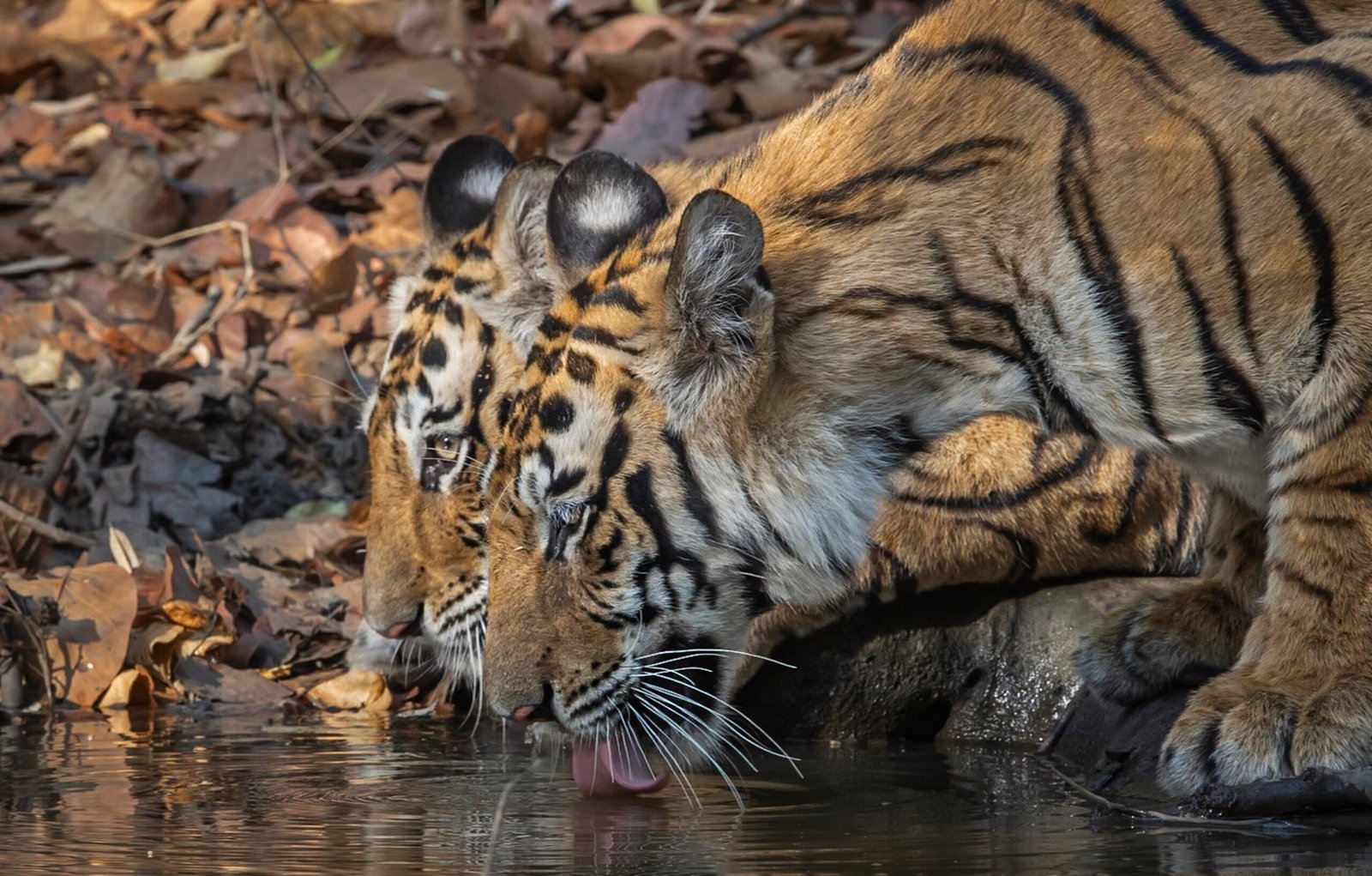
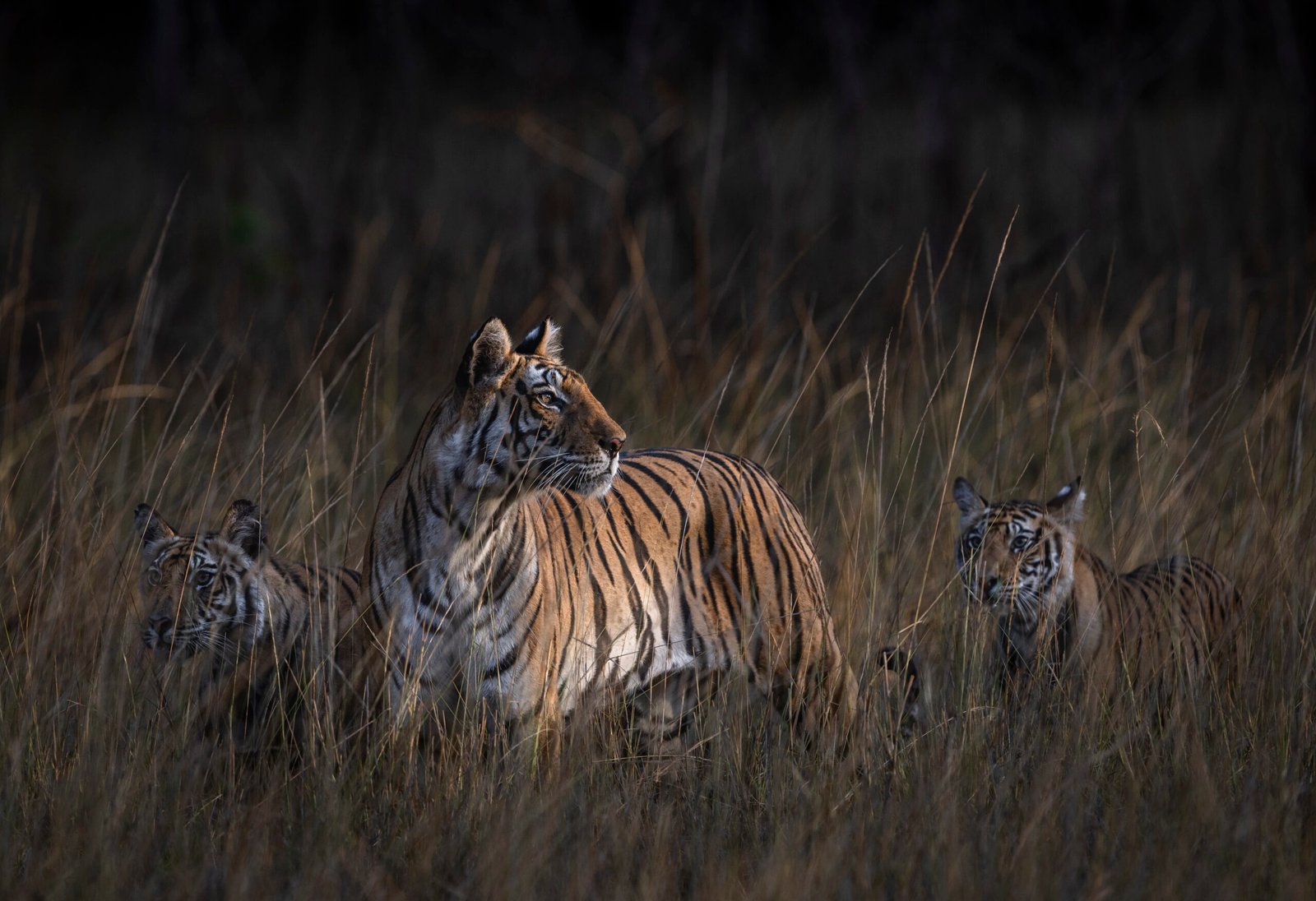
Bandhavgarh Tiger Reserve is one of India’s best-known tiger landscapes, combining dense sal forest, bamboo, grassland and rocky hills across the heart of central India. The reserve supports an exceptional diversity of wildlife including leopards, sloth bears, dhole, gaur and more than 250 bird species, but it is best known for its Bengal tigers.

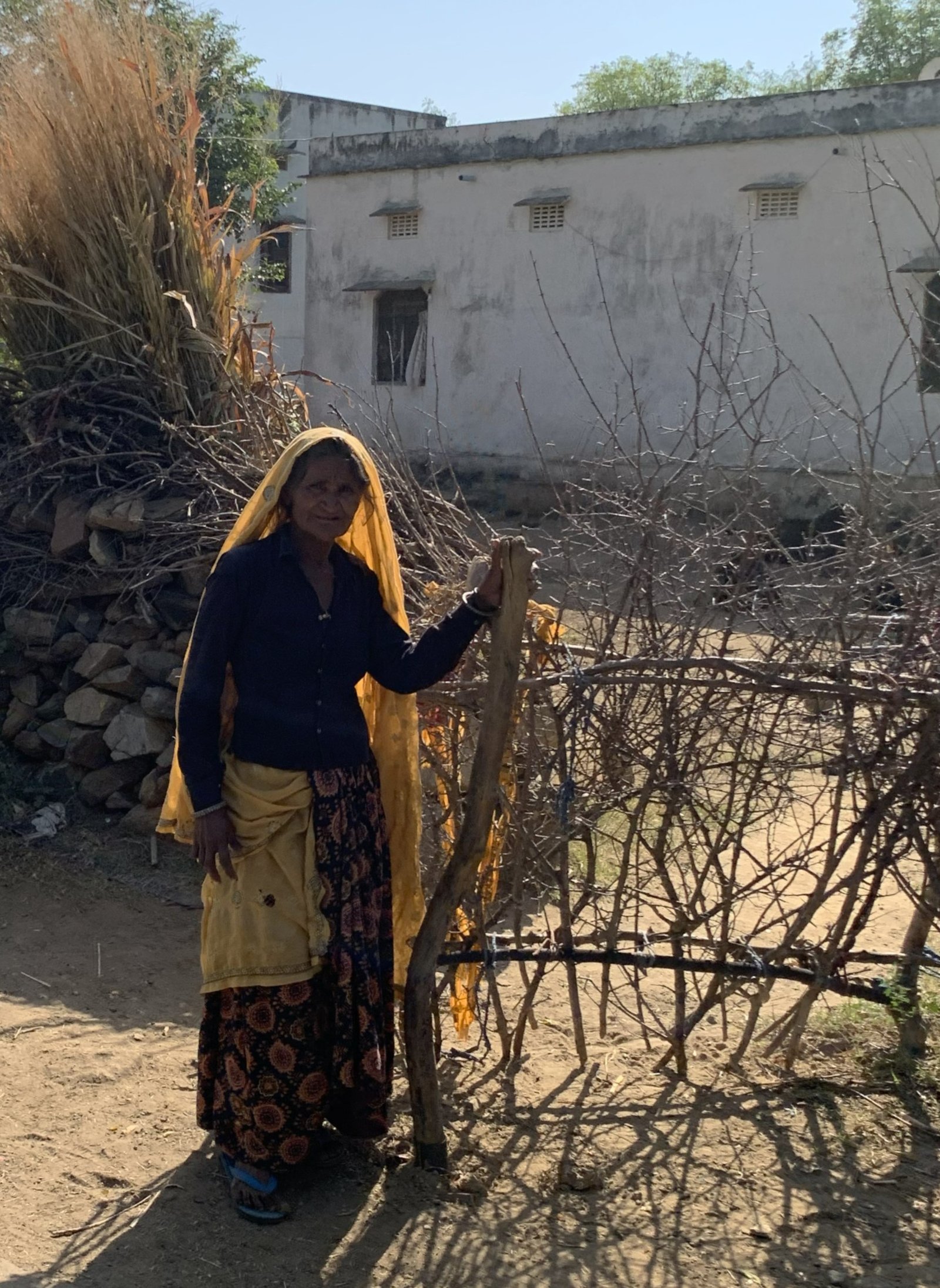
While the reserve itself forms a protected core, surrounding buffer zone villages and forest-edge communities remain closely connected to the landscape. Livestock grazing, farming, forest use and daily movement all take place alongside wildlife, making coexistence a critical conservation issue.

THE BENGAL TIGER

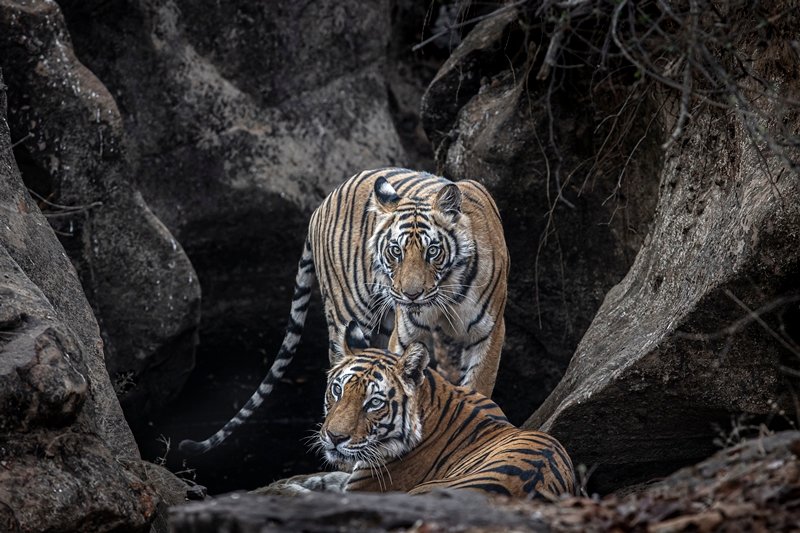
The Bengal tiger is the largest remaining tiger subspecies and survives primarily in India, with smaller populations found in Nepal, Bhutan and Bangladesh. Once ranging widely across Asia, tiger numbers collapsed during the 20th century due to habitat loss, poaching and persecution.

India now supports the majority of the world’s remaining wild tigers and recent population increases are often presented as a major conservation success story. However, despite this recovery, tigers remain classified as Endangered and continue to face significant threats.

Despite population increases in some protected areas, the Bengal tiger now occupies only a fraction of its historic range.

Habitat fragmentation is placing increasing pressure on protected areas, while roads, mining, agriculture and expanding settlements continue to reduce and isolate habitat. Human–wildlife conflict remains a major challenge in many landscapes, particularly where communities live close to tiger habitat. Poaching also persists, driven by the illegal wildlife trade.

Today there are still more tigers living in captivity globally than survive in the wild.

Protecting the Bengal tiger therefore requires more than simply safeguarding national parks. Long-term conservation depends on securing larger connected landscapes and helping people and wildlife coexist safely within them.

CONSERVATION CHALLENGE

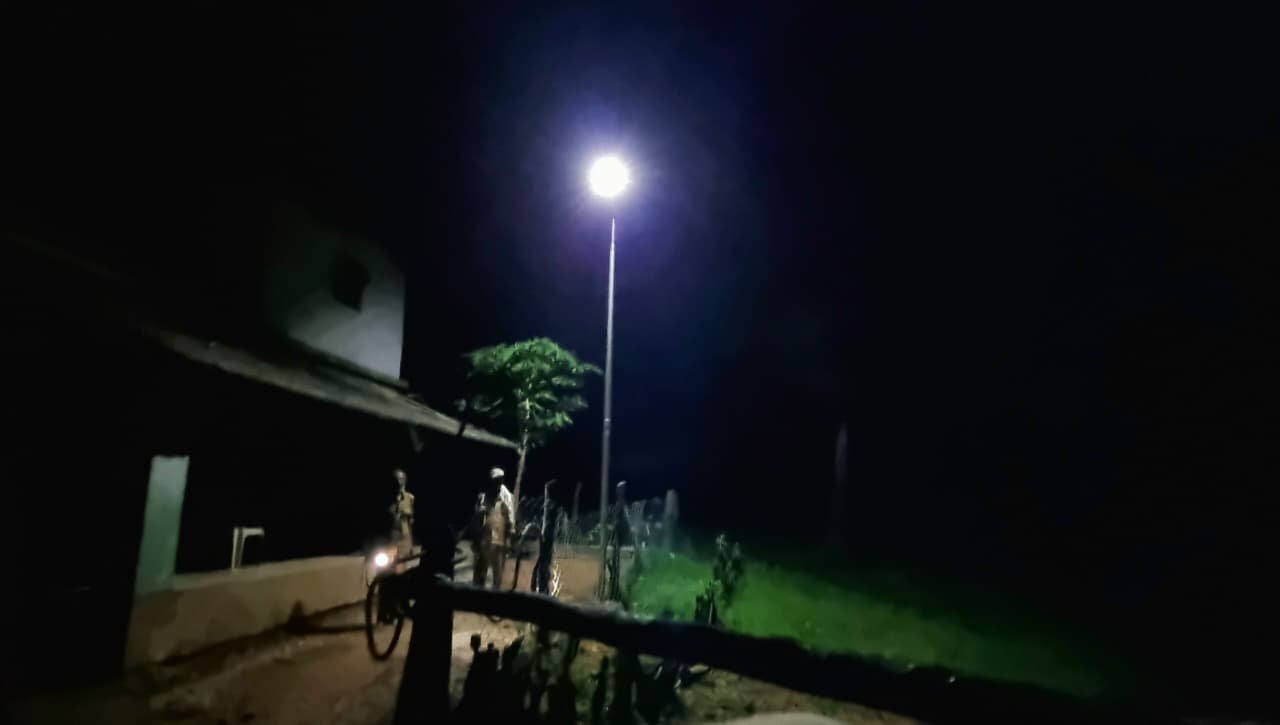
Communities living around Bandhavgarh regularly encounter wildlife moving between forest and village areas, particularly after dark. Elephants, deer, predators and other species may pass through farmland or village edges, creating risks for both people and wildlife.

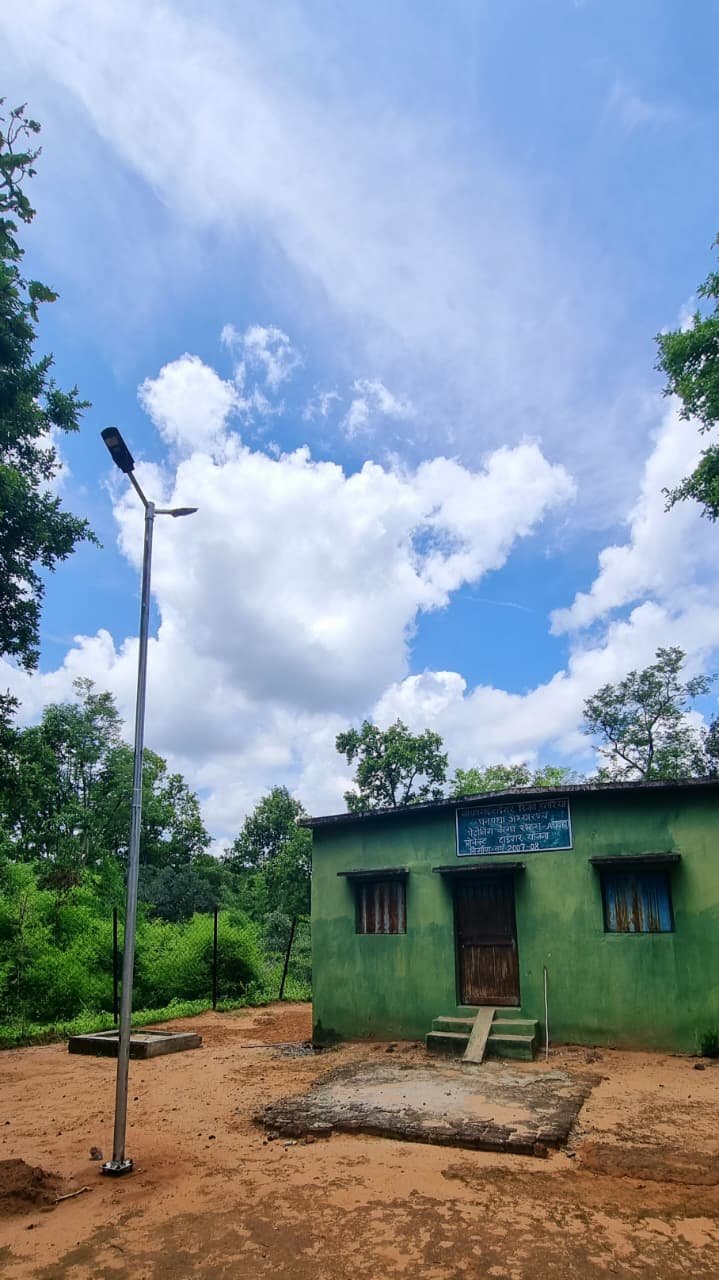
Many villages experience limited or inconsistent lighting infrastructure, while frontline forest camps within the reserve’s core zone often operate in remote conditions with minimal facilities. Poor visibility at night can increase safety concerns for local residents and forest staff alike.

Simple infrastructure improvements can therefore play an important role in reducing conflict, improving wellbeing and supporting coexistence within this shared landscape.

LIGHTING UP TIME

Lighting Up Time is a solar lighting initiative designed to improve safety for communities and frontline forest personnel living and working around Bandhavgarh Tiger Reserve.

The project has a fundraising target of USD $40,000. If achieved, The Corbett Foundation will install:

  • 90 solar-powered lighting units in villages affected by human–wildlife conflict
  • 20 solar lighting systems within designated forest camps in the reserve’s core zone

The project aims to:

  • Improve visibility and safety at night
  • Reduce wildlife movement into village areas
  • Support frontline forest staff
  • Promote sustainable, low-impact energy solutions
  • Strengthen coexistence between people and wildlife

2 LEGS FOR 4

2 Legs for 4 is a major fundraising campaign led by wildlife photographer and conservationist Paul Goldstein.

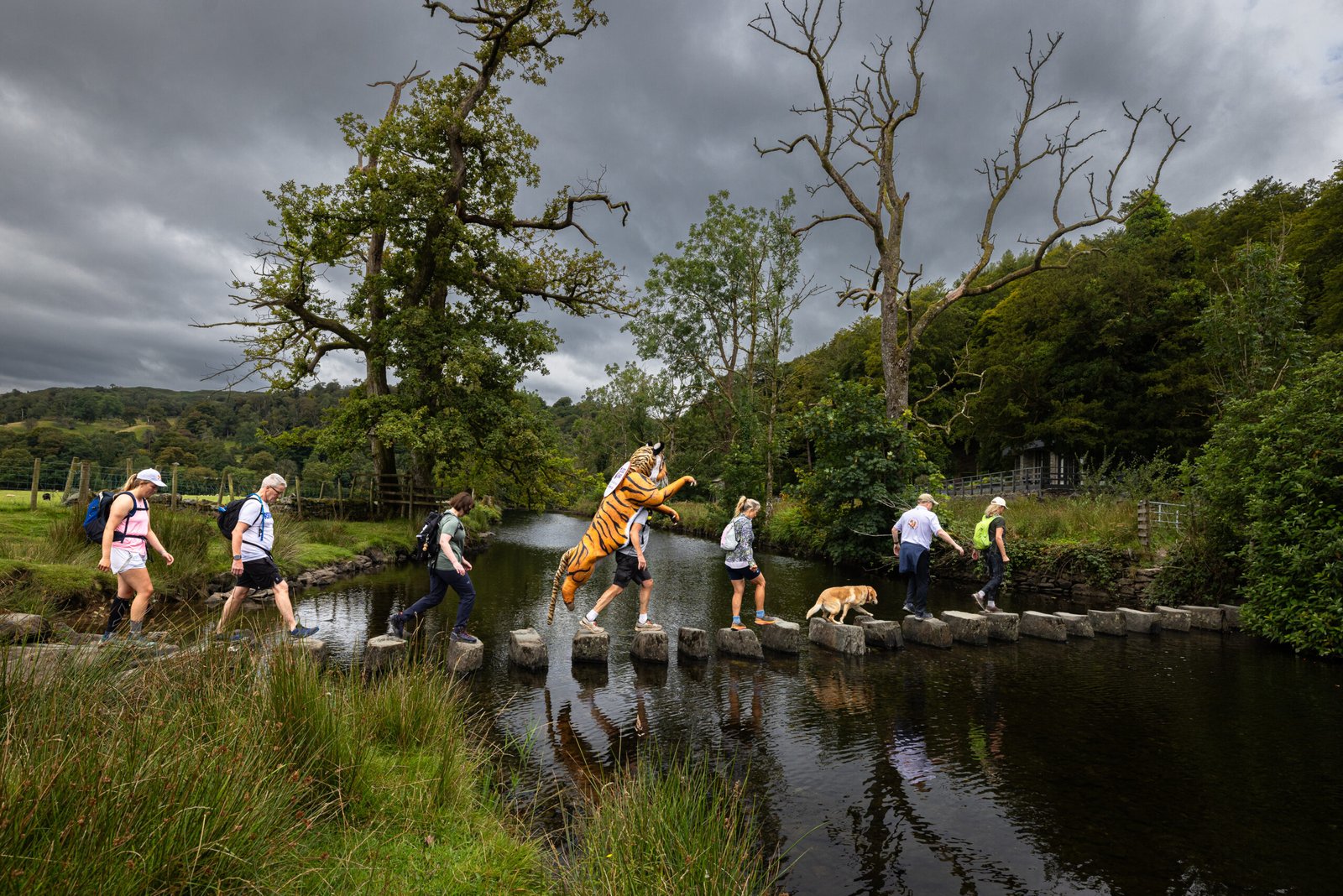
During summer 2026, Paul will walk 1,000 miles in 40 days – in his trademark 9-foot tiger suit – raising awareness and funds for Lighting Up Time and other initiatives supporting Bengal tiger conservation.

The challenge combines endurance, storytelling and public engagement to generate support for practical, on-the-ground conservation projects focused on coexistence between people and wildlife.

Support the Challenge

  • Donate to Lighting Up Time
  • Join part of the walk and fundraise
  • Attend a campaign event
  • Help raise awareness for tiger conservation

TRAVEL CONNECTION

Central India is one of the world’s great tiger destinations, with reserves such as Bandhavgarh Tiger Reserve, Kanha National Park and Pench National Park offering memorable wildlife experiences alongside important conservation stories.

Travelling responsibly to these landscapes helps support local livelihoods, conservation awareness and the long-term protection of tiger habitat. Through Explorers Against Extinction and its travel network, visitors can explore India’s tiger reserves while supporting projects focused on human–wildlife coexistence and landscape-scale conservation.

Donate to Lighting Up Time, or join 2 Legs for 4 and walk or fundraise for tiger conservation. Find out how to get involved here. Thank you.