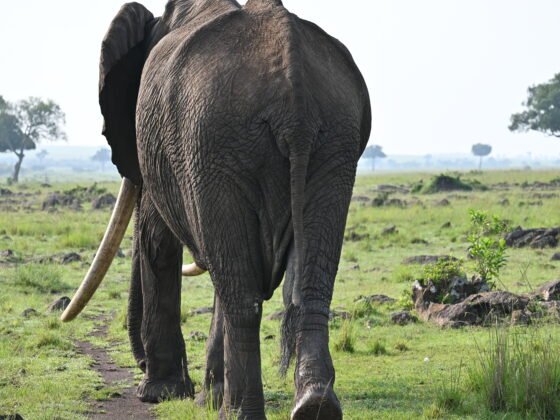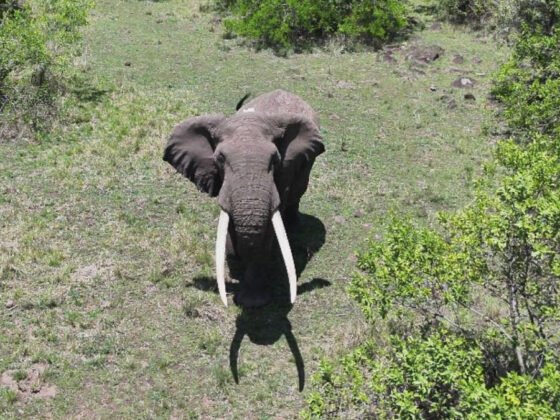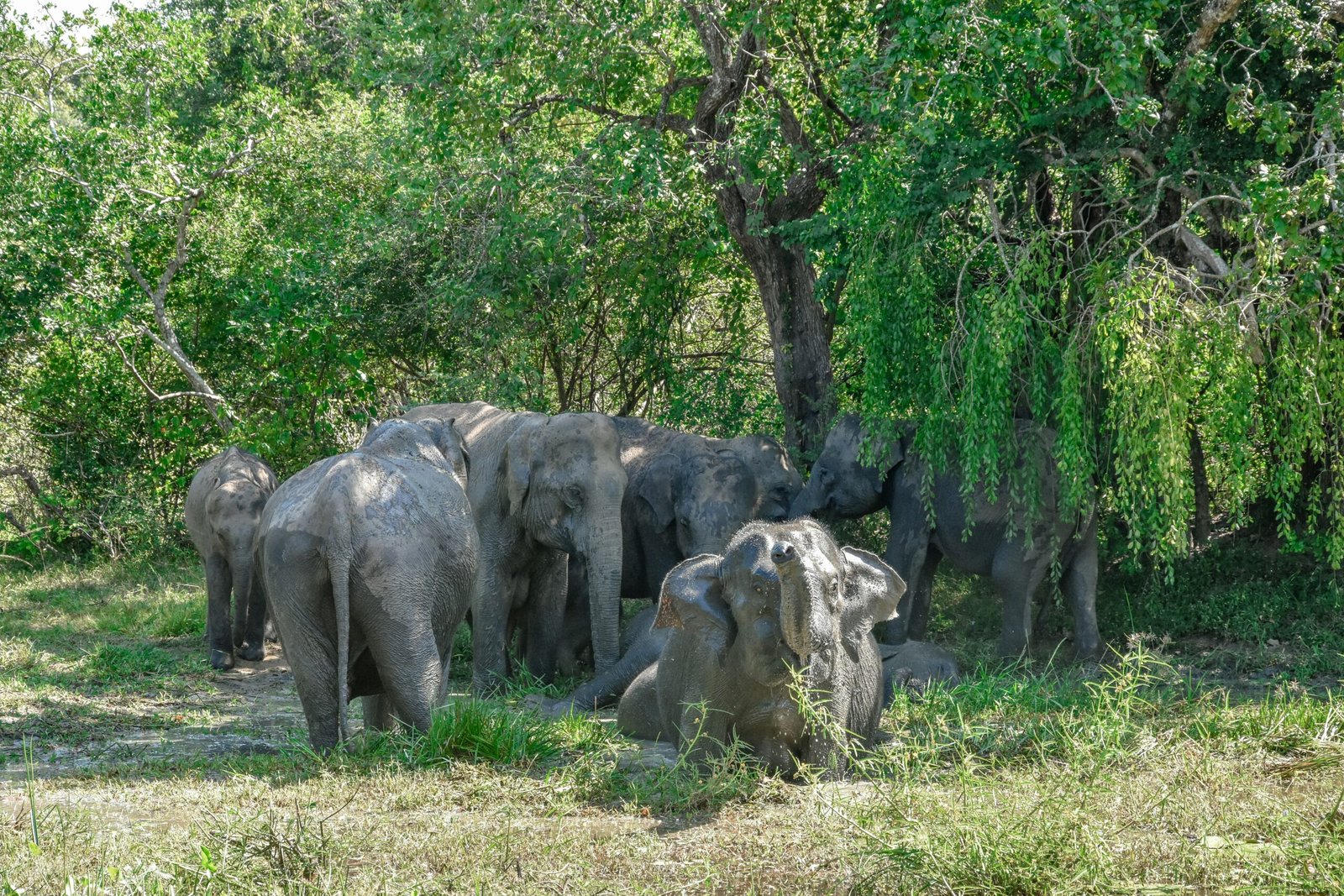
In late December 2025, conservation teams in Nam Poui National Protected Area accomplished a first for the country’s wild Asian elephants. A GPS collar was fitted to a free-ranging elephant, marking a significant step in understanding and conserving these iconic animals. The activity was conducted by national authorities in partnership with WWF-Laos and technical specialists from the region.
In Laos, elephants are far more than wildlife. They are woven deeply into the nation’s history and identity. For centuries, elephants were companions in war, allies in the forests, and symbols of royal strength. The country’s historical name “Lane Xang” translates as “Land of a Million Elephants,” a reminder of the vast herds that once roamed the landscape.
Today Asia’s elephants are endangered across their entire range. Only around 8,000 to 11,000 remain in the wild in Southeast Asia and China. Habitat loss, fragmentation of forests, and conflict with people have taken a heavy toll. With populations scattered and isolated, traditional migration pathways are disrupted. Elephants seeking food and water are increasingly drawn into farmland and villages, creating tension and danger for both humans and elephants.
Laos is estimated to have between 500 and 1,000 wild elephants, making it one of the key national populations in Indochina. Most of these elephants are found in protected areas and forested landscapes west of the Mekong River, where they still attempt seasonal movements across large areas.
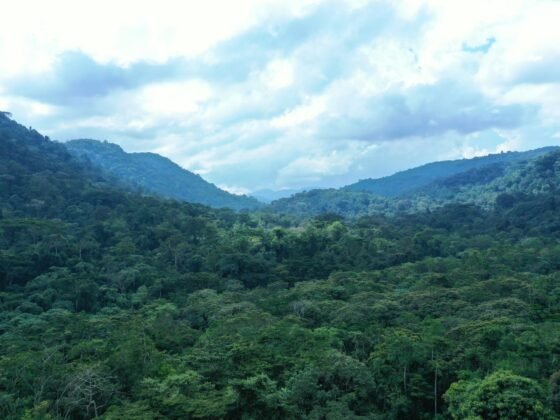
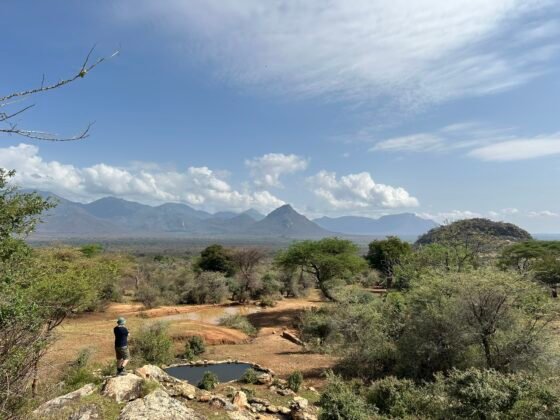
That is why Nam Poui NPA matters. Covering around 191,000 hectares of forested mountains in Sayaboury Province, Nam Poui is one of Laos’ largest protected areas and one of the best places left for wild Asian elephants. It was recently recognised as an ASEAN Heritage Park, reflecting its importance not only for elephants but also for other threatened species such as clouded leopard, bear species, gaur and gibbons.
The GPS collaring project is part of the Government of Laos’ Elephant Action Plan, which aims to strengthen science-based conservation and long-term management of elephants across the country. According to officials, the tracking data will feed directly into national planning and guide future work in other key elephant areas.
Collar data gives conservationists something they have lacked until now real-time insights into how elephants use the landscape. Understanding home ranges, seasonal movements and interactions with human land uses helps teams plan patrols more effectively and predict conflict hotspots. It also supports safer coexistence strategies for communities living alongside elephants.
This is particularly valuable when most elephant populations remain poorly surveyed. In Nam Poui, recent DNA analysis and tracking initiatives will for the first time provide a reliable scientific estimate of elephant numbers and how different herds are connected across borders with neighbouring Thailand.
Elephant conservation in Laos cannot rely solely on technology. GPS tracking tells us where elephants move, but protecting space for them to move in requires political will, sound land-use planning, and community engagement. For many village communities, elephants are co-workers and neighbours as much as national symbols. Ensuring they can share the landscape without conflict is fundamental to the goals of the Elephant Action Plan and the long-term survival of the species.
Alongside threats of habitat loss and fragmentation, poaching for ivory and other parts continues to exert pressure in some landscapes. For Lao communities and conservation partners, the challenge is to combine traditional respect for elephants with modern science and management tools in order to sustain both people and pachyderms into the future.
The first GPS collar in Nam Poui is small in scale, but it represents the beginning of a broader effort to better understand and protect wild elephants in Laos. It is a reminder that science and cultural stewardship can work together in the service of conservation. And in a landscape once called the Land of a Million Elephants, that legacy still matters.
Image: Alehandra