India is a land of unparalleled beauty, profound spirituality, and overwhelming sensory intensity. For those planning a journey in 2026, the promise of ancient temples, bustling bazaars, and vibrant landscapes is incredibly alluring. However, navigating this vast subcontinent comes with a unique set of challenges that can quickly turn a dream vacation into an exhausting ordeal.
The biggest mistakes travelers make when visiting India include:
- Trying to see too much of the country in a short time
- Underestimating travel logistics and culture shock
- Falling for intricate local scams
- Ignoring critical health and safety precautions
- Demonstrating poor planning around seasonal weather variations
By understanding these common pitfalls and preparing adequately with flexible mindsets and vetted services, you can ensure that your Indian adventure is rewarding and transformative rather than frustrating and fatiguing.
Why is rushing your itinerary the fastest way to ruin your trip?
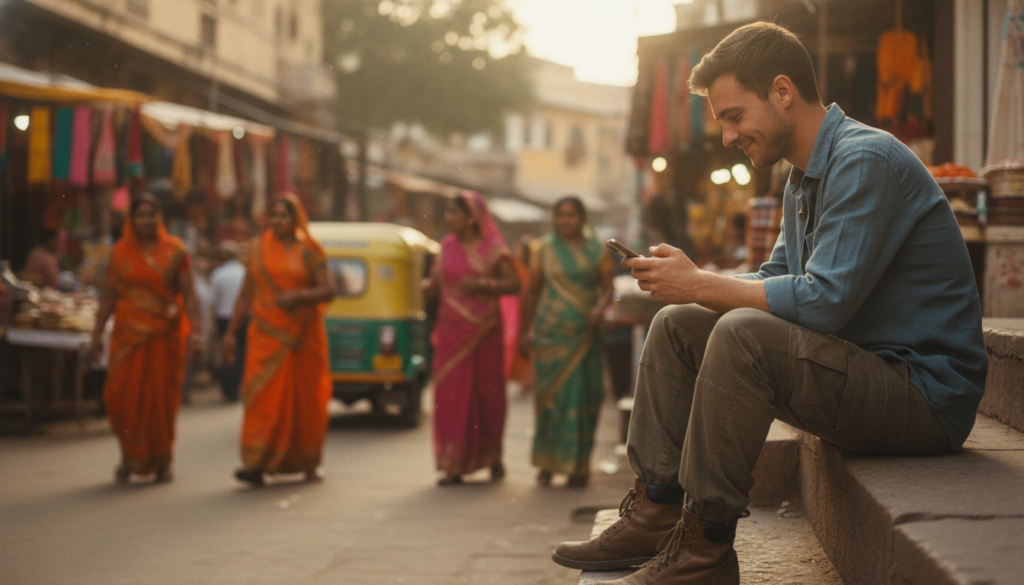
A frequent error is attempting to conquer India’s immense geographical and cultural diversity within a tight timeframe of just ten to fourteen days. Cramming too many destinations into a short trip completely ignores the reality of the country’s long distances, unpredictable traffic, and developing infrastructure. Relying solely on map distances without factoring in road conditions, necessary rest breaks, or inevitable delays like late trains is a recipe for exhaustion.
When you try to cover both the majestic monuments of North India and the serene temples of South India in a single, fast-paced journey, you spend the majority of your time in transit. This relentless pace prevents you from truly absorbing the local atmosphere and leads to severe travel fatigue instead of enjoyment. Experts strongly recommend limiting your driving to no more than four to five hours daily and focusing deeply on just one or two regions to allow for a slower, more immersive pace that respects the logistical realities of the subcontinent.
How does sticking only to the Golden Triangle cause burnout?
First-time visitors often default to the famous Golden Triangle, comprising Delhi, Agra, and Jaipur, believing it to be the ultimate, comprehensive Indian experience. While these cities boast iconic, must-see landmarks like the Taj Mahal, they are also epicenters of intense crowds, pollution, and relentless tourist hassle. Constantly navigating the dirt, chaos, and aggressive touts in these major urban hubs without a break can trigger rapid culture shock and emotional burnout, especially during the first few days of a trip when you are still acclimatizing. Failing to adjust to this sensory overload is a major misstep that can sour your entire perception of the country.
To prevent this overwhelm, travelers should diversify their itineraries by stepping off the heavily beaten path. Incorporate quieter regions for breathing room, such as:
- Tranquil rural villages
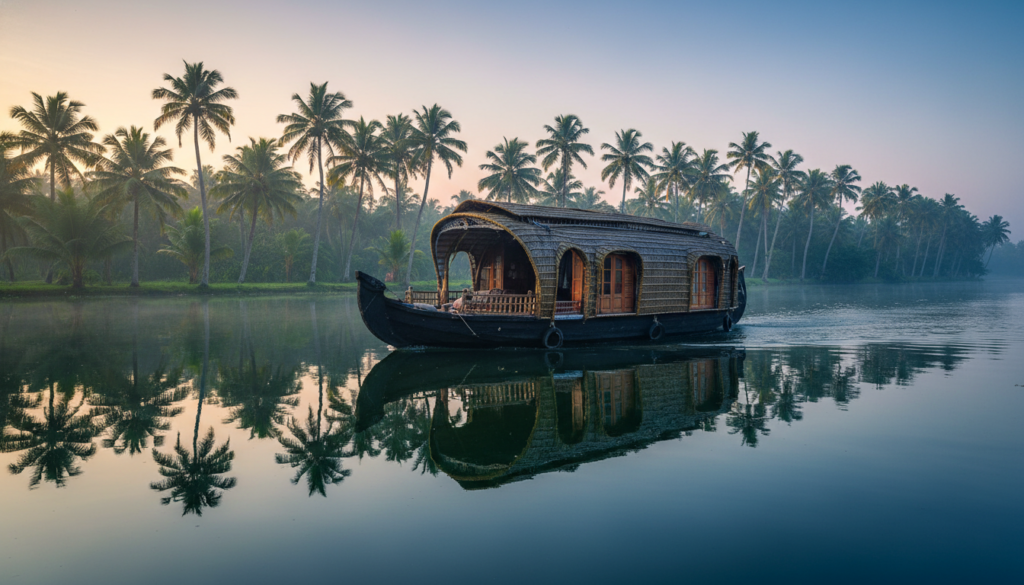
- The serene backwaters of Kerala
- The majestic, high-altitude landscapes of Ladakh
This provides a much more balanced, enjoyable perspective of what the country truly has to offer.
Why do so many tourists fall for common transportation and guide scams?
Trusting too easily in heavily touristed areas is a significant vulnerability for many international visitors. The moment you step out of an airport or major railway station, you are likely to be approached by individuals offering incredibly cheap rides or exclusive, last-minute tours. Common pitfalls involve getting into overpriced, unmetered taxis and rickshaws, or being lured into fake government tourist offices that sell vastly inflated travel packages under the guise of official assistance. Additionally, unsolicited well-wishers often approach tourists with offers of secret temple entries or free rides, which almost inevitably lead to high-pressure sales situations in commission-based emporiums.
To protect yourself and your budget, it is crucial to:
- Stick exclusively to official, prepaid transport services
- Insist on using meters
- Only hire licensed guides who display official identification
Using digital payment methods and keeping your valuables secure in hidden inner pockets can also drastically reduce your risk of falling victim to these pervasive and costly schemes.
How does poor connectivity impact your ability to navigate and use digital payments?
In 2026, navigating India’s complex urban landscapes and utilizing its rapidly advancing digital infrastructure requires a constant and reliable internet connection. Without seamless mobile data, travelers find themselves unable to access essential tools like Google Maps for real-time navigation, making it incredibly easy to get lost in labyrinthine city streets or fall prey to deceptive taxi drivers taking unnecessarily long routes to inflate fares.
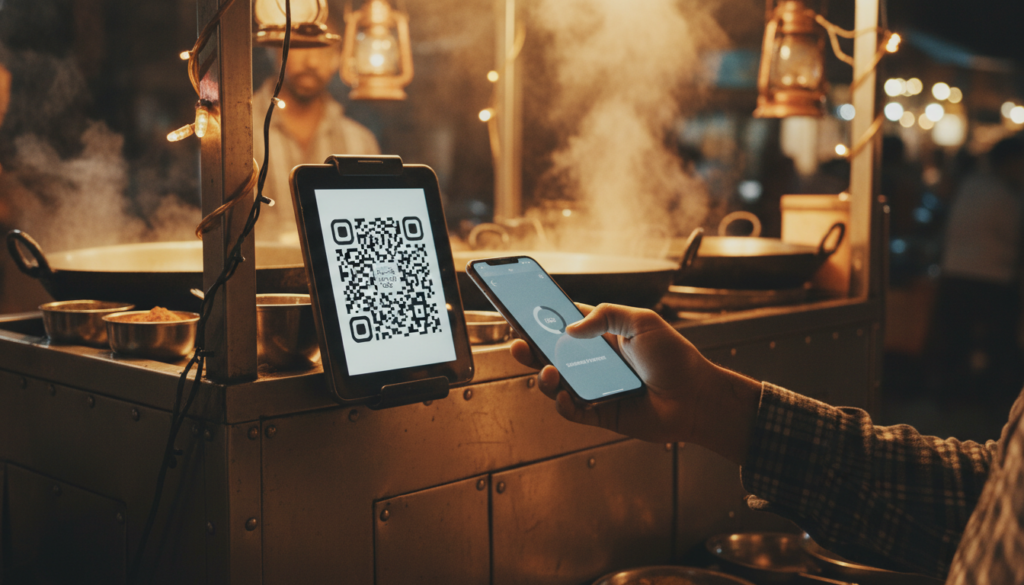
Furthermore, India has largely transitioned to a digital-first economy, with platforms like Paytm being used for everything from purchasing a bottle of water at a street stall to paying for a rickshaw ride. Carrying large bills is increasingly problematic as small shop owners frequently lack change. Poor connectivity cuts you off from these vital digital payment networks, forcing you to rely on cash in situations where it is inconvenient or even unsafe, increasing your risk of financial hiccups, scams, and logistical nightmares.
Why should you choose an eSIM for India over local physical networks?
Historically, acquiring a local physical SIM card in India was a notoriously bureaucratic process, requiring tourists to provide passport copies, passport-sized photographs, and proof of their home address, often followed by a frustrating waiting period for activation. Today, this cumbersome process can be greatly simplified with modern digital connectivity solutions.
For instance, providers like Amigo eSIM allow travelers to bypass the paperwork entirely by delivering instant, high-speed internet access via an email-delivered QR code, connecting automatically to the strongest local networks. Choosing an eSIM for India is superior to local physical networks because it provides immediate, prepaid data connectivity the moment your plane touches down. This means you can instantly hail a verified ride-sharing service, contact your hotel, and navigate safely without ever having to hunt for a telecom kiosk, deal with manual hardware swaps, or worry about exorbitant international roaming fees.
What makes a global eSIM for travel essential for multi-destination trips?
Many travelers visiting the Indian subcontinent often include it as part of a broader Asian itinerary, hopping between neighboring countries over the course of several weeks or months. In these multi-destination scenarios, the traditional method of purchasing a new local physical SIM card every time you cross a border is tedious and disruptive.
Utilizing an eSIM for travel becomes an essential strategy for maintaining uninterrupted global connectivity. By opting for a comprehensive digital data plan, you ensure automatic connection to reliable networks in each new country you visit. This continuous, borderless access allows digital nomads and remote workers to retain their original phone numbers for crucial two-factor authentication and WhatsApp communication, ensuring that transitioning between nations never disrupts their ability to work, navigate, or stay securely in touch with loved ones back home.
How can neglecting health precautions and travel insurance lead to disaster?
Health and safety oversights are among the most debilitating mistakes a visitor can make, often turning a dream vacation into a medical nightmare. The temptation to dive straight into India’s vibrant and world-renowned street food scene is strong, but eating from unvetted vendors immediately upon arrival is a fast track to severe stomach issues for unadapted digestive systems. Travelers should always start their culinary journey in hygienic, well-reviewed restaurants, strictly consume bottled or properly filtered water, and carry a supply of probiotics and sorbents to help their bodies adjust gradually. Following local crowds to popular street food stalls is a safer way to select vendors later in the trip once you are fully acclimated.
Equally disastrous is the decision to travel without comprehensive medical coverage. Neglecting to purchase travel insurance exposes you to exorbitant out-of-pocket medical costs in the event of an unexpected illness or accident. High-quality private healthcare in major Indian cities is excellent but expensive, making robust insurance a non-negotiable requirement for a safe and secure journey.
What cultural faux pas and etiquette errors should you avoid?
India is a deeply traditional society with complex social norms, and failing to respect these customs can lead to uncomfortable situations or unintended offense. A major etiquette error that many foreigners unknowingly commit is using their left hand for giving or taking items, including money, gifts, and food. In Indian culture, the left hand is traditionally considered unclean, so you should always use your right hand for these interactions. Another common faux pas is wearing inappropriate clothing that exposes too much skin, particularly in conservative areas, rural villages, and religious sites. Both men and women should dress modestly, covering their shoulders and knees to show respect for local sensibilities.
Furthermore, tourists often arrive with inflated expectations of perfect, punctual service, completely ignoring the inherent delays and organized chaos that define Indian daily life. Expecting Western-style efficiency will only lead to deep frustration; instead, cultivating patience, adjusting your expectations, and maintaining a flexible mindset are crucial for adapting to the cultural rhythm and enjoying your experience.

Why is ignoring seasonal weather variations a costly planning mistake?
Failing to account for India’s extreme and highly regionalized climate can dramatically impact the accessibility and safety of different regions, completely derail your travel plans, and inflate your budget unnecessarily.
For example, planning a sightseeing tour of Delhi and the northern plains during the peak summer months can mean enduring punishing temperatures that frequently soar above 40 degrees Celsius, making outdoor exploration dangerous and utterly exhausting. Conversely, booking a beach holiday in Goa between June and September will land you right in the middle of the torrential monsoon rains, severely limiting your activities, ruining beach days, and potentially causing widespread transport cancellations. To maximize your experience and avoid spending your vacation sheltering in a hotel room, it is highly recommended to aim for the cooler, drier months between October and March, meticulously checking the specific weather patterns for each region on your itinerary before finalizing your bookings.
Photo by Manyu Varma on Unsplash