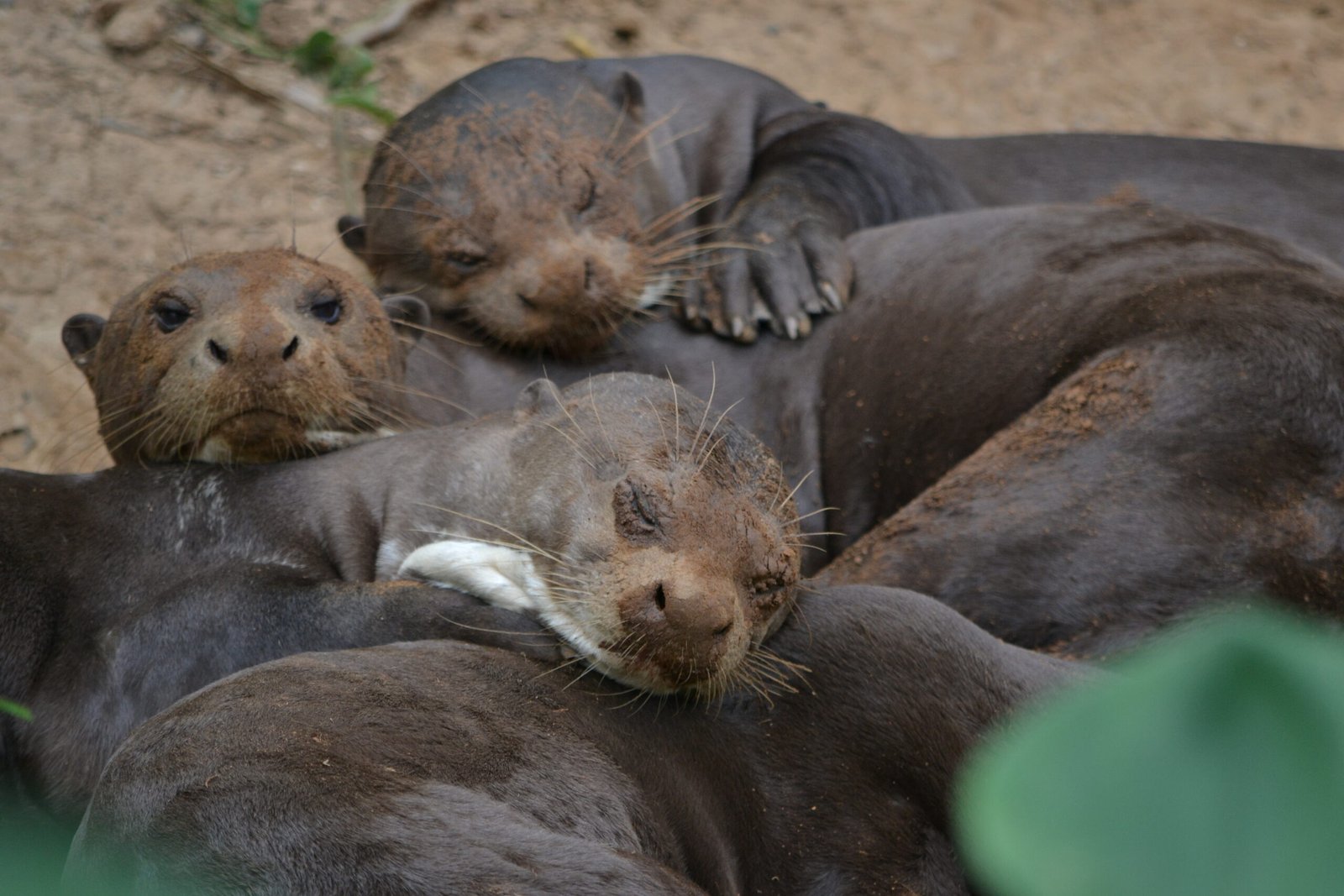
In 2024, Explorers Against Extinction supported a small but important part of the long-term monitoring work carried out by Projeto Ariranhas, the Giant Otter Project, in Brazil’s Pantanal.
Their latest annual report provides a clear snapshot of both progress and ongoing challenges for this Endangered species.
Monitoring in numbers
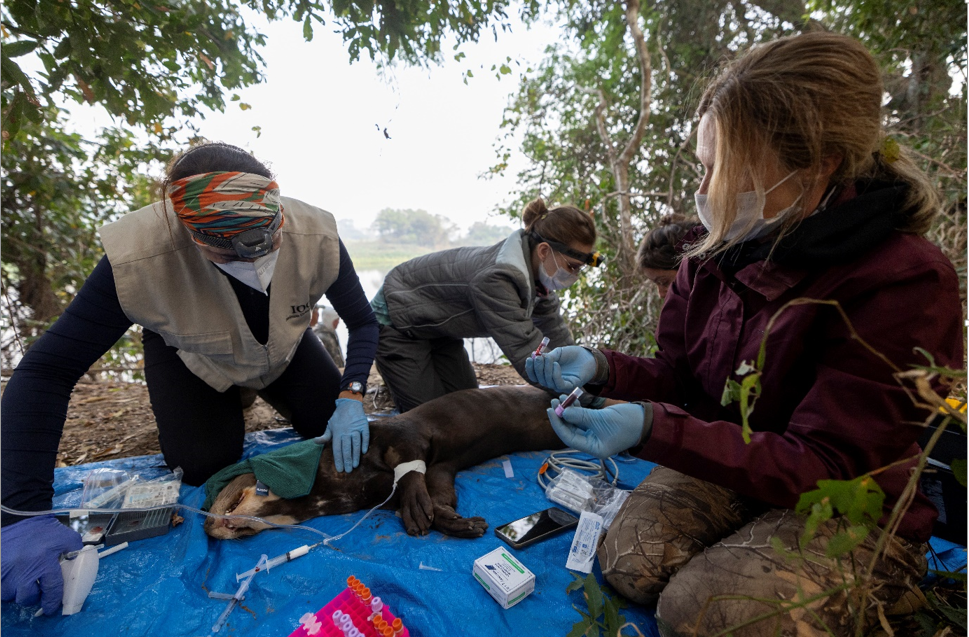
Fieldwork in 2025 focused on three key regions of the Pantanal, alongside additional work in the Central Amazon. Across these areas, the team carried out 13 field expeditions, monitoring 164 individual giant otters across 31 groups, and surveying over 410 kilometres of river systems.
During this period, 34 new cubs were recorded, providing valuable insight into breeding success and population structure.
This kind of consistent, long-term dataset is critical. Giant otters are highly social and territorial, and understanding how groups form, move and reproduce over time is essential for effective conservation planning.
Signs of progress
One of the most encouraging trends is in cub survival.
Since 2019, the project has tracked a steady improvement, with average cub survival increasing from 0.27% to 0.54% over a six-year period.
While still low, this doubling reflects the impact of sustained monitoring, protection of breeding areas, and improved management of human activity in key habitats.
A fragile system
Despite this progress, the report makes clear that early life remains the most vulnerable stage.
Giant otter pups face multiple pressures, including:
- Predation, most notably from jaguars
- Extreme weather events linked to climate change
- Human disturbance from tourism and boat traffic
- Habitat degradation and declining water quality
Even small shifts in these factors can have a disproportionate impact on survival rates.
Recent monitoring has also recorded the loss of adult females. While causes vary, these events underline how finely balanced the system remains and how quickly progress can be reversed.
Beyond research
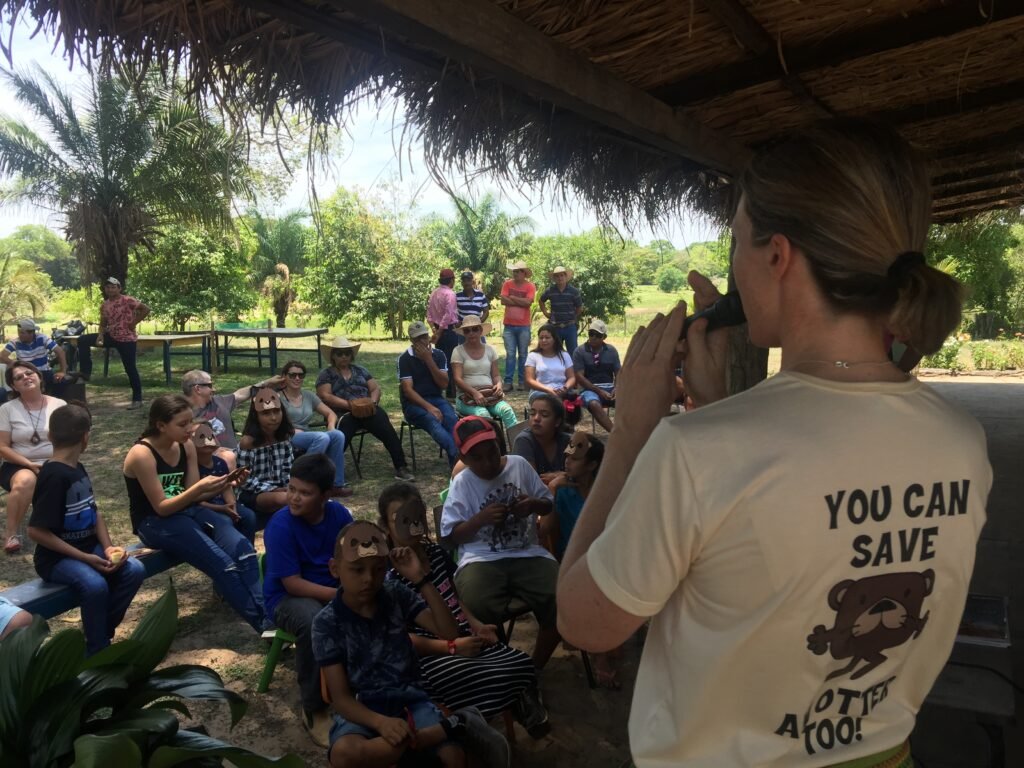
Projeto Ariranhas combines field science with education and community engagement.
In 2025 alone:
- 50 tourism professionals were trained in responsible wildlife viewing
- 500 identification guides were distributed to local guides and boat drivers
- Over 1,100 children were reached through environmental education programmes
These efforts are essential in a landscape where tourism is both an opportunity and a risk. Managed well, it can support conservation. Managed poorly, it can directly impact breeding success.
Why this matters
The giant otter remains an Endangered species, and the Pantanal is one of its last strongholds.
What this report shows is that progress is possible, but it is fragile and dependent on sustained effort. Monitoring, data collection and local engagement all play a critical role in improving outcomes.
Our contribution in 2024 supported a small part of this wider programme, helping to maintain the long-term monitoring that underpins all conservation decisions.
Looking ahead
The trajectory is positive, but far from secure.
With increasing pressure on freshwater ecosystems across South America, continued investment in science-led conservation will be essential to ensure giant otters remain a part of the Pantanal’s future.
For Explorers Against Extinction, this project is a clear example of how targeted support can contribute to measurable, on-the-ground impact.
Images: Projeto Ariranhas