Our journey began in the lush green grasslands and cool morning air of the Mara. At sunrise we had been watching the River Pride lions pick their way silently through the wet grass of the Mara North Conservancy. By mid-afternoon, we found ourselves in an entirely different Kenya.
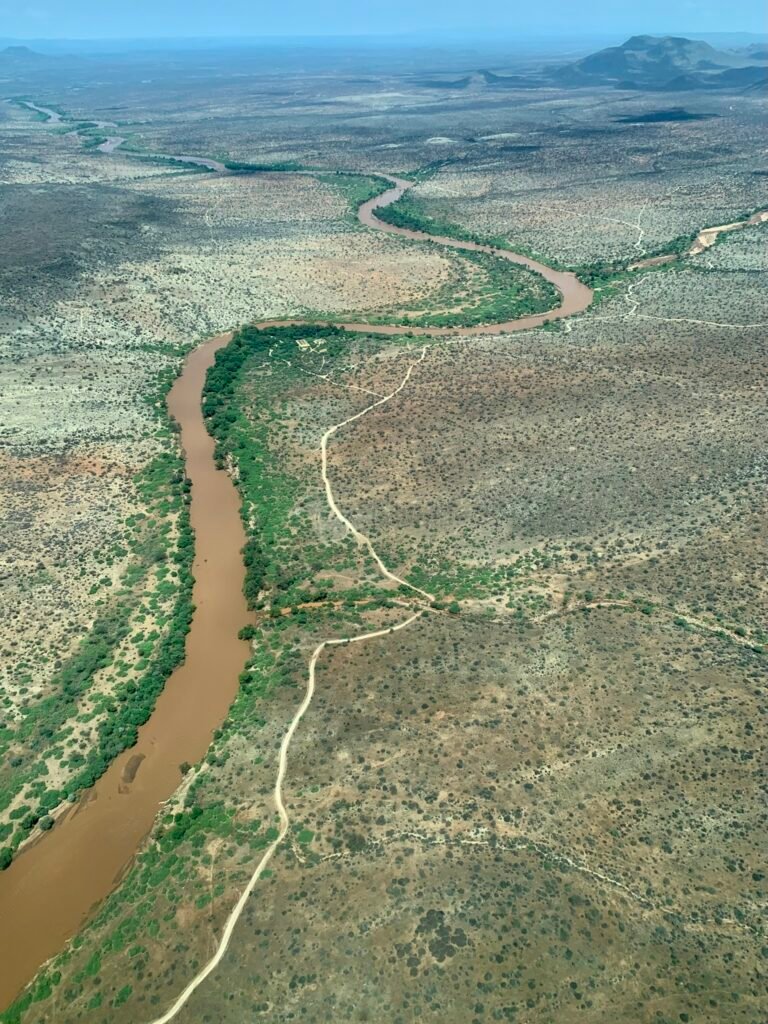
After changing planes at Wilson Airport in Nairobi, we boarded a tiny Cessna Caravan heading north. From the air, the transformation is gradual but unmistakable. The orderly farmland around Nanyuki slowly gives way to increasingly arid terrain; roads disappear, settlements thin out and the land opens into vast ochre plains threaded with dry riverbeds.
Then Mount Ololokwe appears.
Rising dramatically from the landscape like a giant stone fortress, the flat-topped mountain dominates this part of northern Kenya. Sacred to the Samburu people, it becomes a constant point of orientation long before you touch down.
The Samburu Kalama airstrip is little more than a dusty red strip carved into the bush. Heat hits instantly as you step off the aircraft. Nearby, Samburu women sit behind neat displays of beadwork and brightly coloured fabrics, tiny totos wrapped against their backs, while a handful of safari vehicles wait beneath the midday sun.
We were met by Paul from Odyssey Safaris in a gleaming Land Cruiser and immediately handed ice-cold water bottles. The drive initially follows the surprisingly smooth A2 highway towards Ethiopia before turning sharply onto an indistinct dirt track where progress slows dramatically.
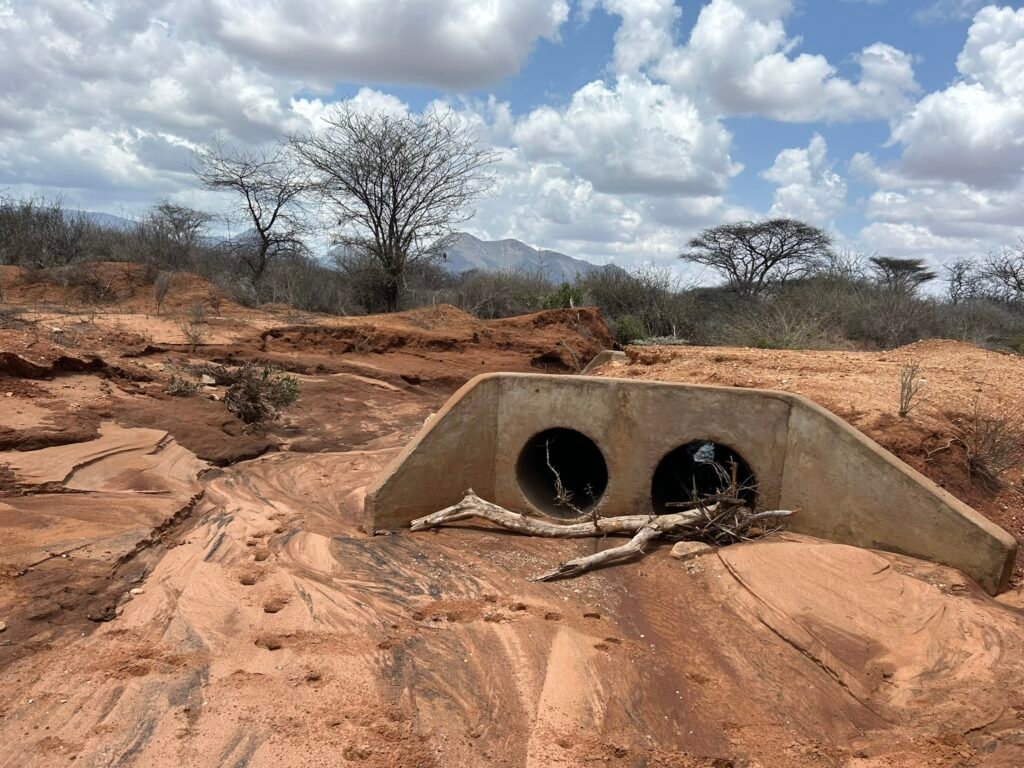
Unseasonal heavy rain had battered the region in the days before our arrival. February is normally one of northern Kenya’s driest months, yet washed-out crossings and saturated riverbeds told a different story. At one point we passed Sarara’s tractor rumbling off to rescue another stranded vehicle.
But the landscape felt wonderfully alive.
Processions of goats and camels crossed the track beneath the watchful eyes of Samburu herders. Reticulated giraffe appeared above the thorn scrub, while Grevy’s zebra tossed their upright manes before disappearing nervously into the bush.
Under normal conditions, the transfer from Kalama takes around 90 minutes. Ours stretched beyond two hours, though somehow the slower immersion into this remote landscape felt entirely fitting.
Why Visit Northern Kenya?
For many travellers, safari in Kenya still means the Maasai Mara: sweeping plains, dramatic river crossings and wildlife documentaries brought vividly to life.
Sarara offers something very different.
Hidden within the vast Namunyak Community Conservancy, northern Kenya feels harsher, wilder and far less predictable than the Mara. Wildlife sightings are not as constant, but the experience itself feels deeper and more textured.
This is not a place built around ticking animals off a checklist.
Wildlife absolutely exists here – including Grevy’s zebra, gerenuk, beisa oryx, Somali ostrich and reticulated giraffe alongside elephant and leopard – but Sarara’s greatest strength lies in the way landscape, culture and conservation intersect.
There is also a powerful sense of space that feels increasingly rare in modern safari tourism. You can drive for hours without seeing another vehicle.
The conservancy itself was established by the Samburu community in the 1990s after poaching and insecurity had devastated wildlife populations. Tourism now directly supports conservation, healthcare, education and local livelihoods.
That connection between people and landscape is what gives Sarara its soul.
Sarara Camp
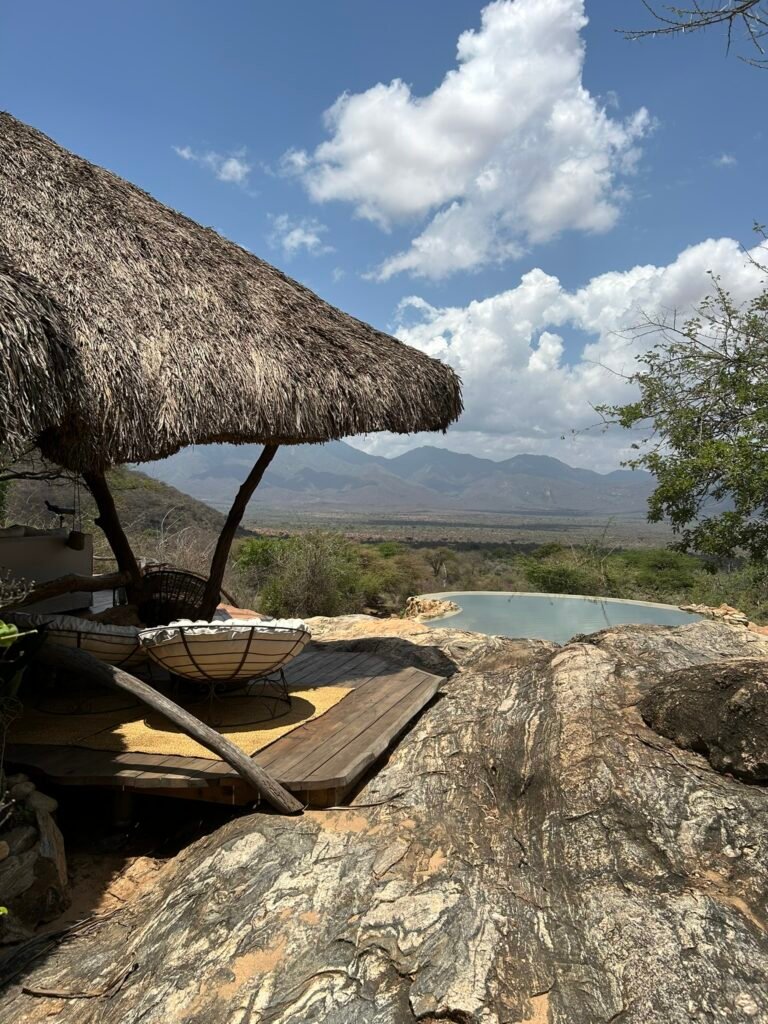
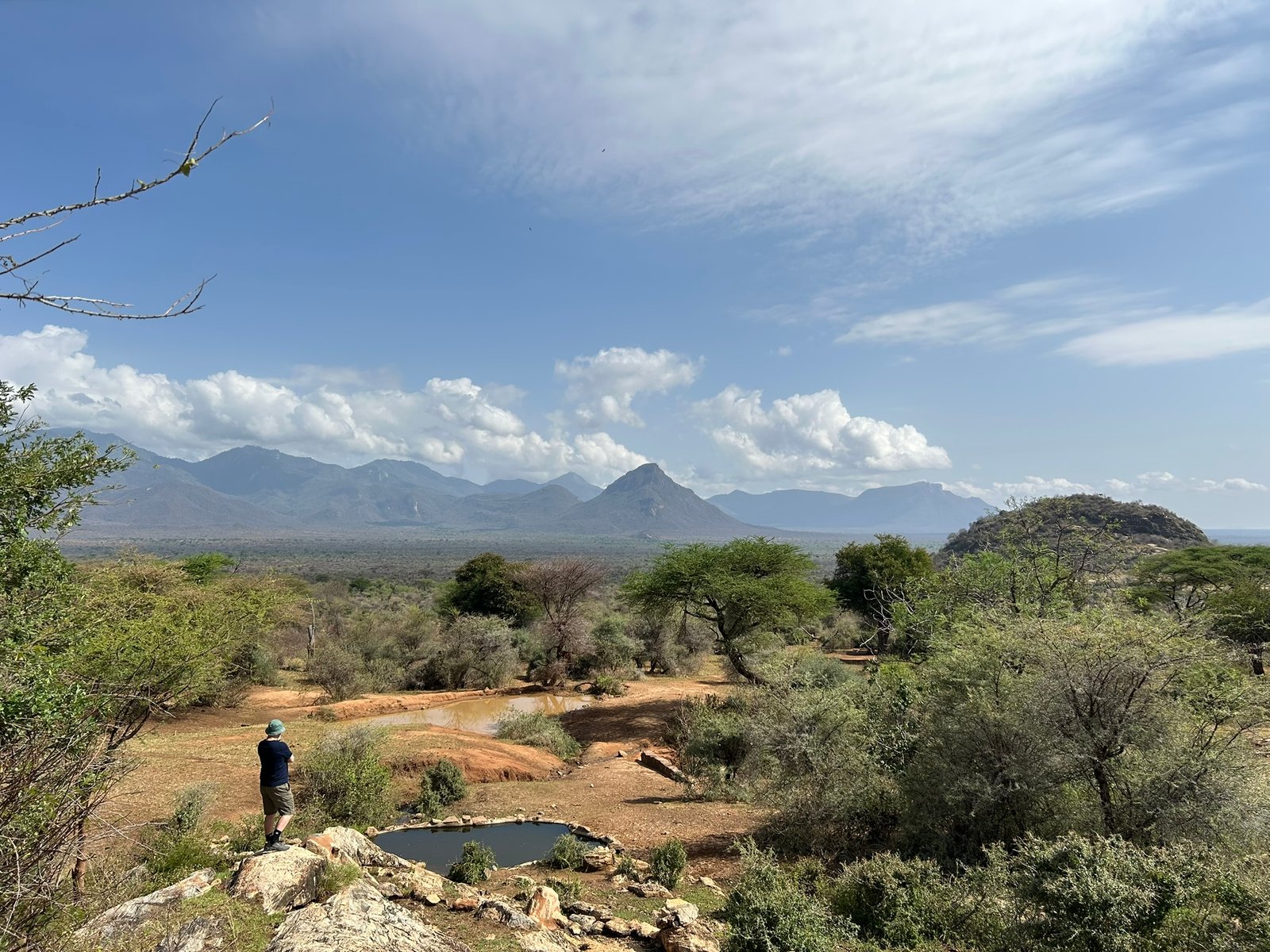
The original Sarara Camp consists of just six tented suites spread discreetly across a hillside overlooking a vast natural amphitheatre of wilderness. Every angle seems designed to draw your eye towards the distant Mathews Range.
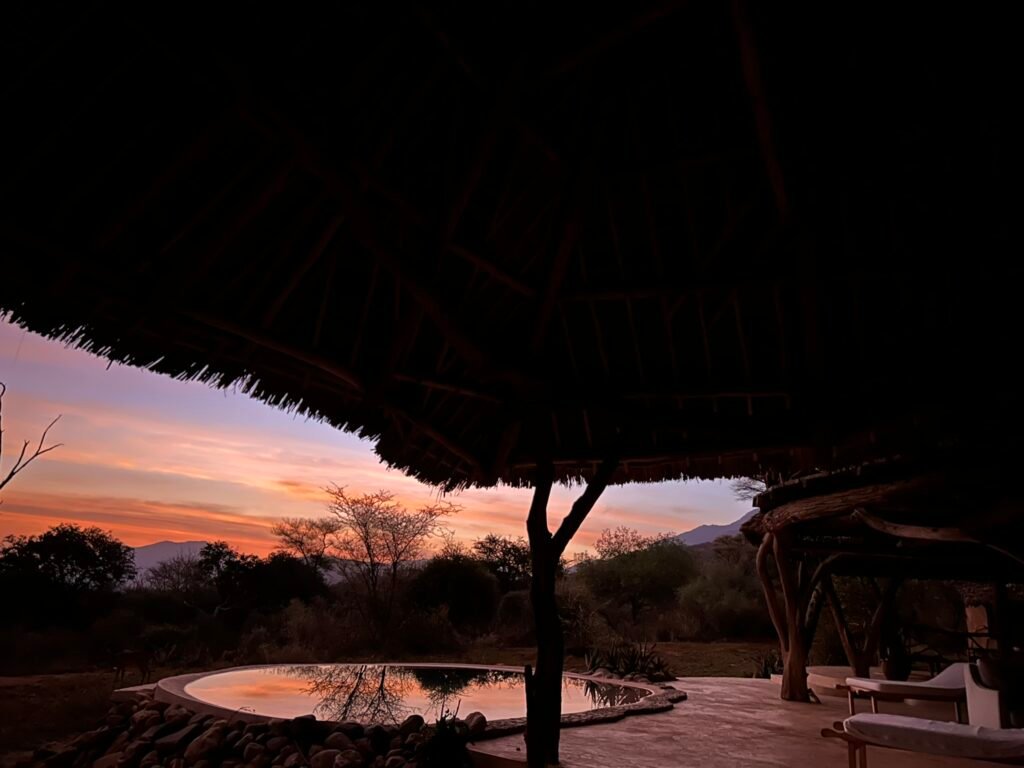
We stayed in Sarara House, a beautifully designed two-bedroom villa tucked just below the main communal area. With its plunge pool, open-fronted living spaces and layered textures of timber, canvas and stone, it strikes an effortless balance between wilderness and comfort.
There is something almost fairytale-like about the architecture. Twisted wooden beams and thick thatch appear to grow organically from the hillside itself. Climbing the staircase to the elevated dining room felt particularly magical as the landscape unfolded beneath us.
The setting is extraordinary.
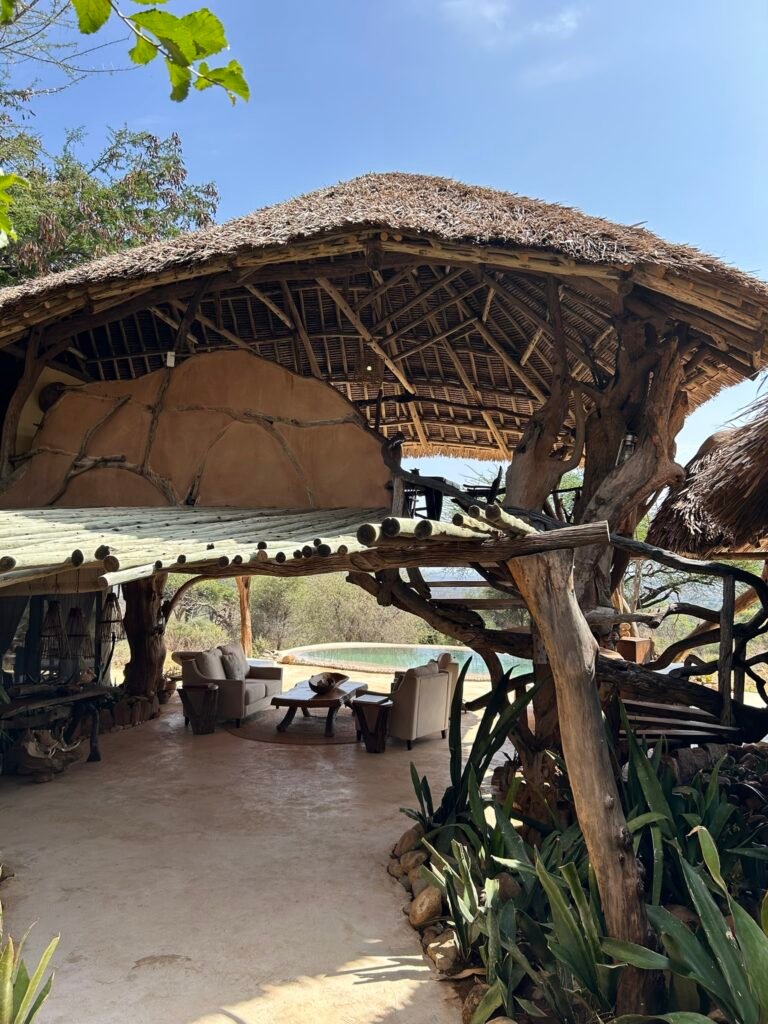
Hornbills called constantly from the surrounding trees while monkeys clambered across rooftops searching for opportunities to raid unattended rooms. A resident family of hyrax lounged lazily on whichever warm rock happened to catch the afternoon sun.
The two tented bedrooms sit on either side of the pool, each with indoor sinks, dressing areas and wonderfully atmospheric outdoor bathrooms overlooking the Mathews Range.
Guests are repeatedly reminded to zip tents carefully unless they want monkeys enthusiastically rifling through their belongings.
During the dry season, elephants regularly gather at the waterhole below camp and occasionally wander directly past the house, while giraffe browse the surrounding hillside.
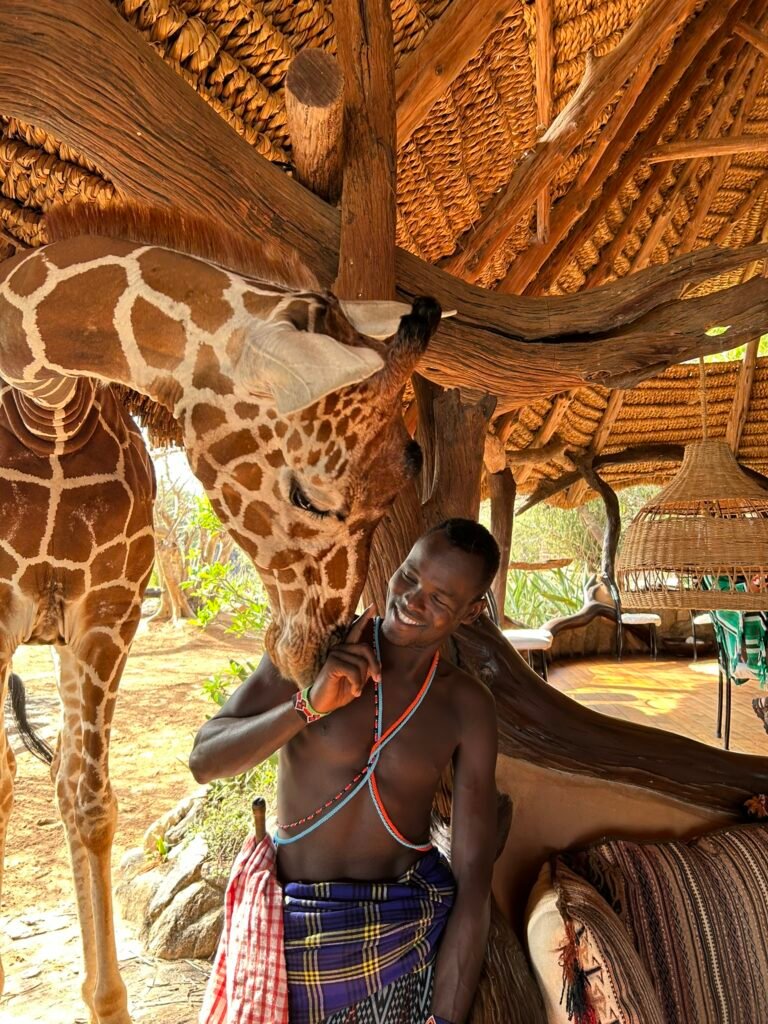
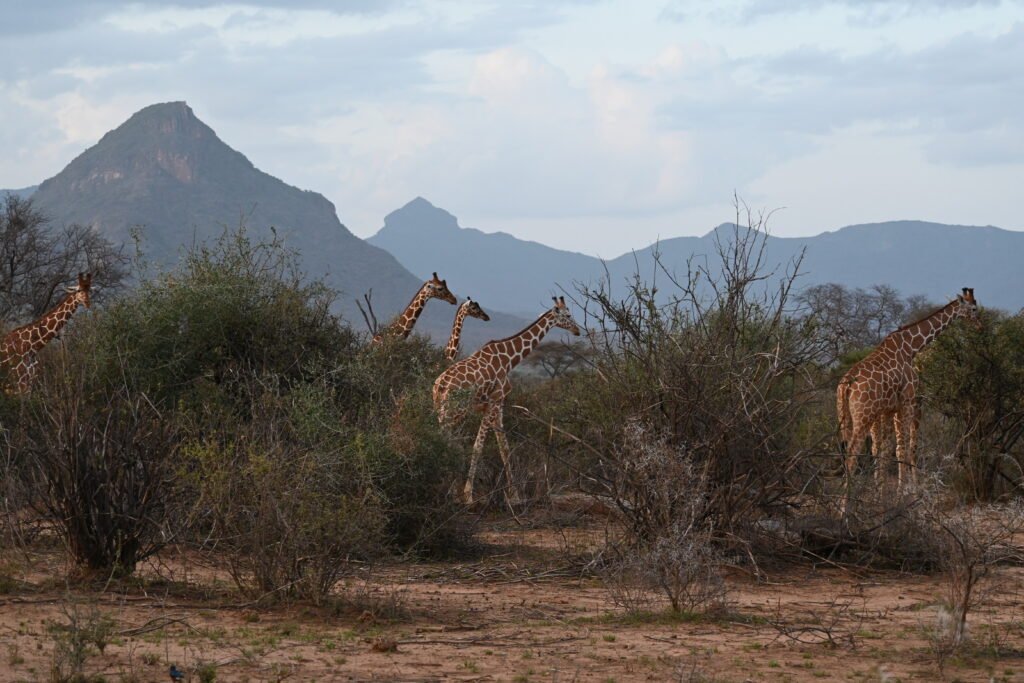
One of Sarara’s most remarkable conservation stories involves orphaned giraffe. Over the years, more than a dozen have been rehabilitated and gradually released back into the conservancy. Several former orphans still return to camp occasionally, their familiarity with humans seemingly encouraging wild giraffe to relax around the lodge too.
The heavy rain inevitably altered the rhythm of our stay. Giraffe remained plentiful, but elephants dispersed deep into the bush where water had suddenly become abundant.
We had particularly hoped to witness the famous Samburu Singing Wells – where Samburu warriors sing rhythmically while drawing water for livestock from deep hand-dug wells – but after the rains there was simply no need for communities to use them.
Yet that felt like an important reminder of what travel in truly wild places often means: nature ultimately dictates the experience.
And it is a sign of a good safari camp when authenticity matters more than manufactured perfection.
Activities and Experiences
There are four properties under the Sarara umbrella – Sarara Camp, Sarara Treehouses, Sarara Wilderness and Reteti House – each offering slightly different experiences.
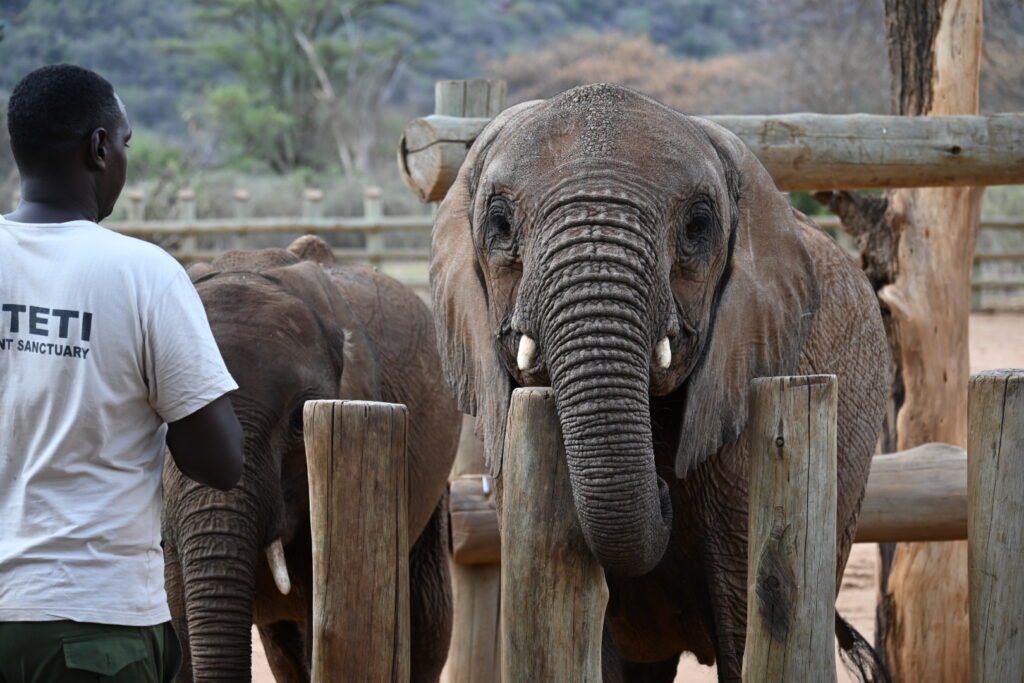
For many guests, the headline activities are the Samburu Singing Wells and Reteti Elephant Sanctuary, Africa’s first community-owned elephant sanctuary.
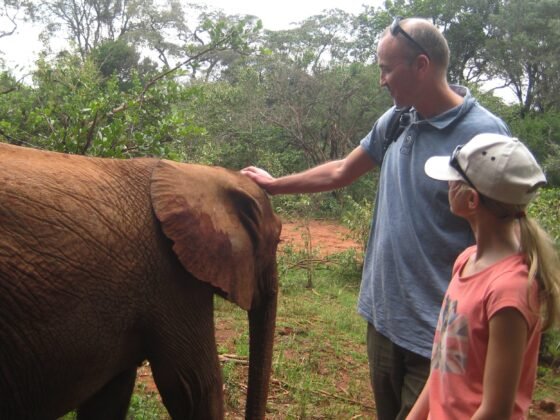
Located around 30 minutes from camp, Reteti rescues and rehabilitates orphaned elephants before eventually releasing them back into the wild. Watching keepers sprint alongside young elephants charging excitedly towards their milk bottles is understandably one of northern Kenya’s most memorable wildlife experiences.
Sarara’s activity programme extends beyond those key experiences, though this is perhaps where the camp still feels slightly less fully developed than some of Kenya’s top safari properties.
Guided walks are enjoyable, particularly for learning about Samburu culture and birdlife. We joined two during our stay.
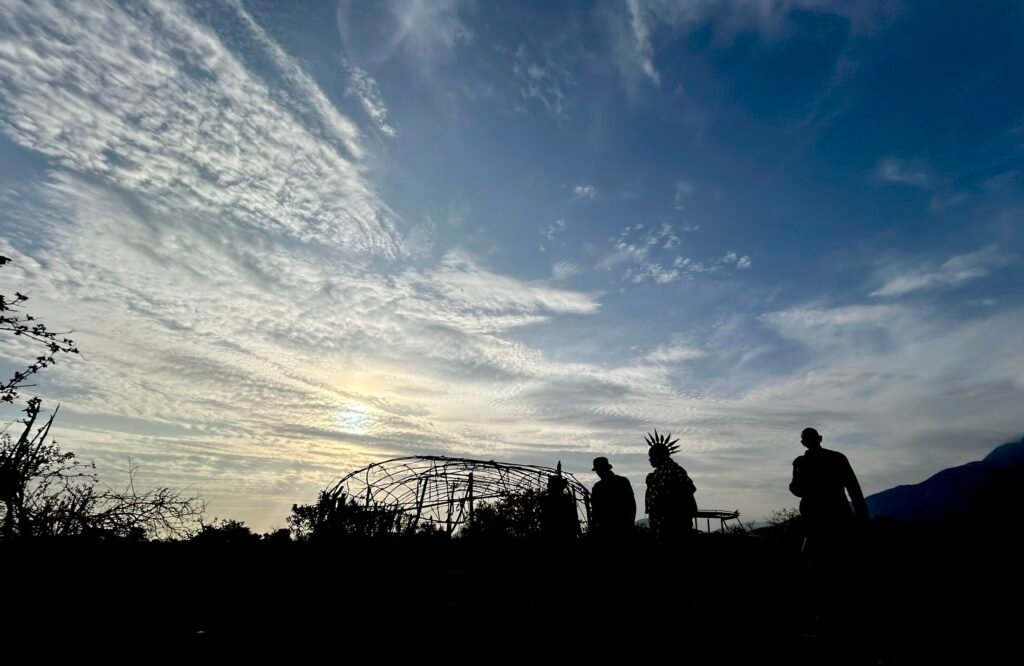
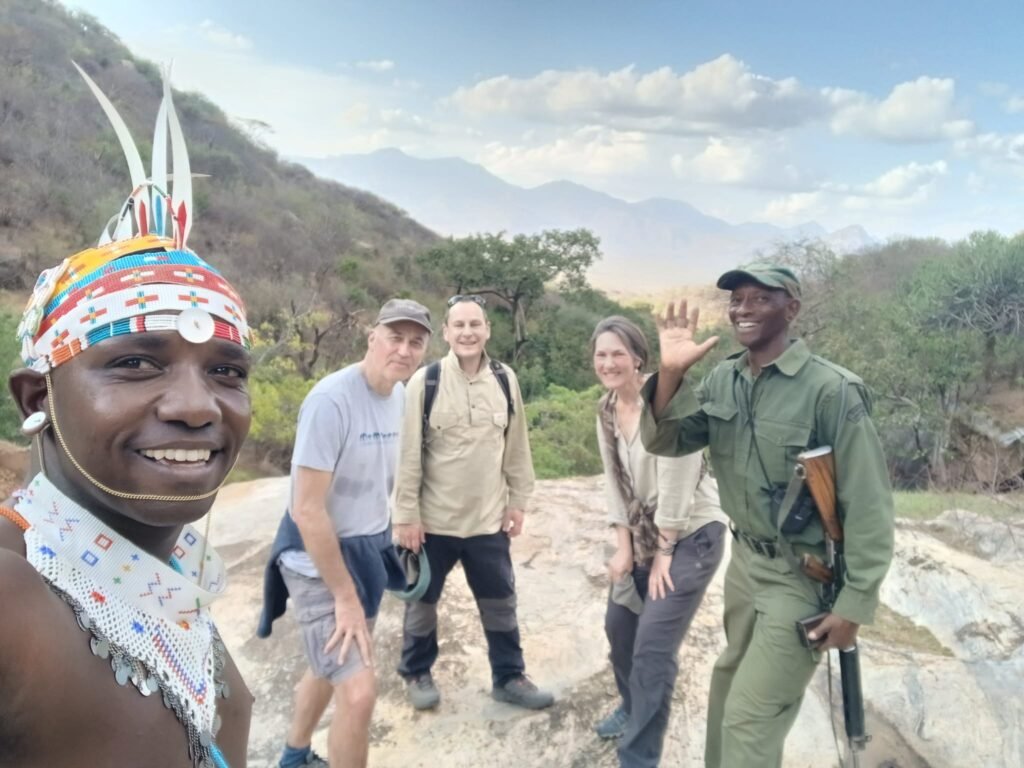
The first was a relaxed circular walk directly from camp. Later, while Fiona headed off on horseback with Jacob – Sarara’s resident Samburu cowboy – the rest of us walked further up the valley with Samburu ranger Peter and our guide, exploring dry riverbeds and passing distant goat herders beneath the mountains.
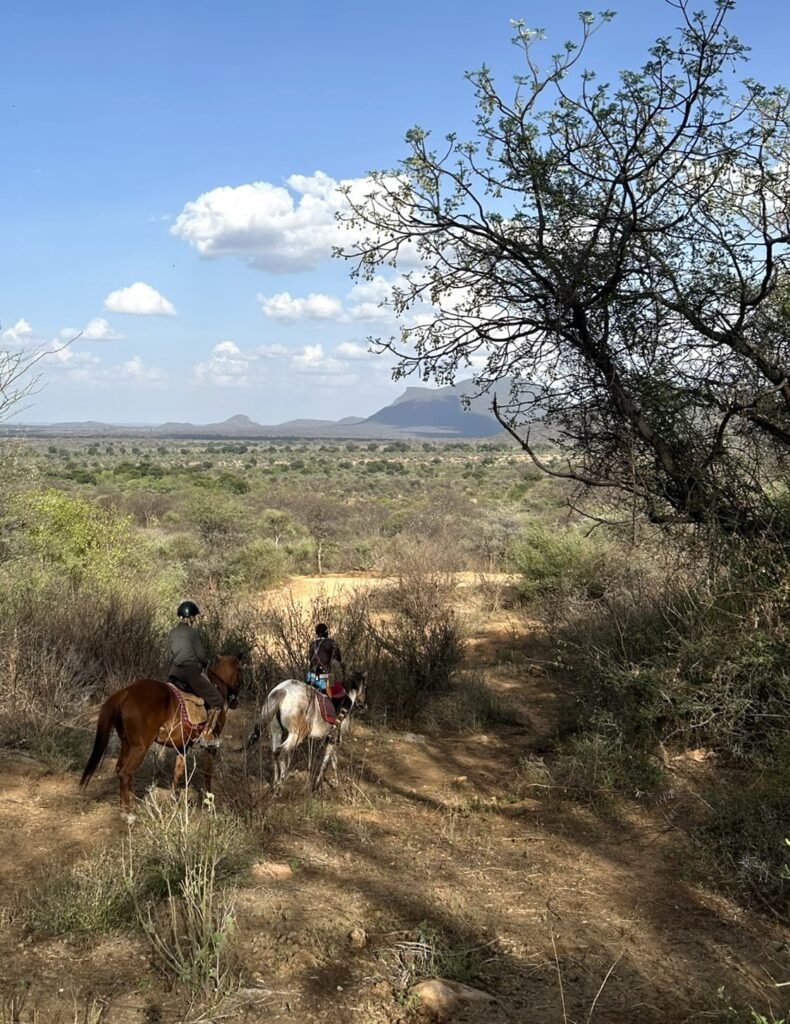
Given the scale and beauty of the surrounding landscape, it felt as though Sarara could push these experiences further. More ambitious walking routes, longer explorations into the conservancy or combined walking-and-driving experiences ending with sundowners, bush breakfasts or a picnic lunch could help guests connect even more deeply with the wilderness.
This felt particularly noticeable during periods of unusual weather when signature wildlife experiences become less predictable.
We also booked one of Sarara’s optional cultural visits: an afternoon with a local Samburu blacksmith.
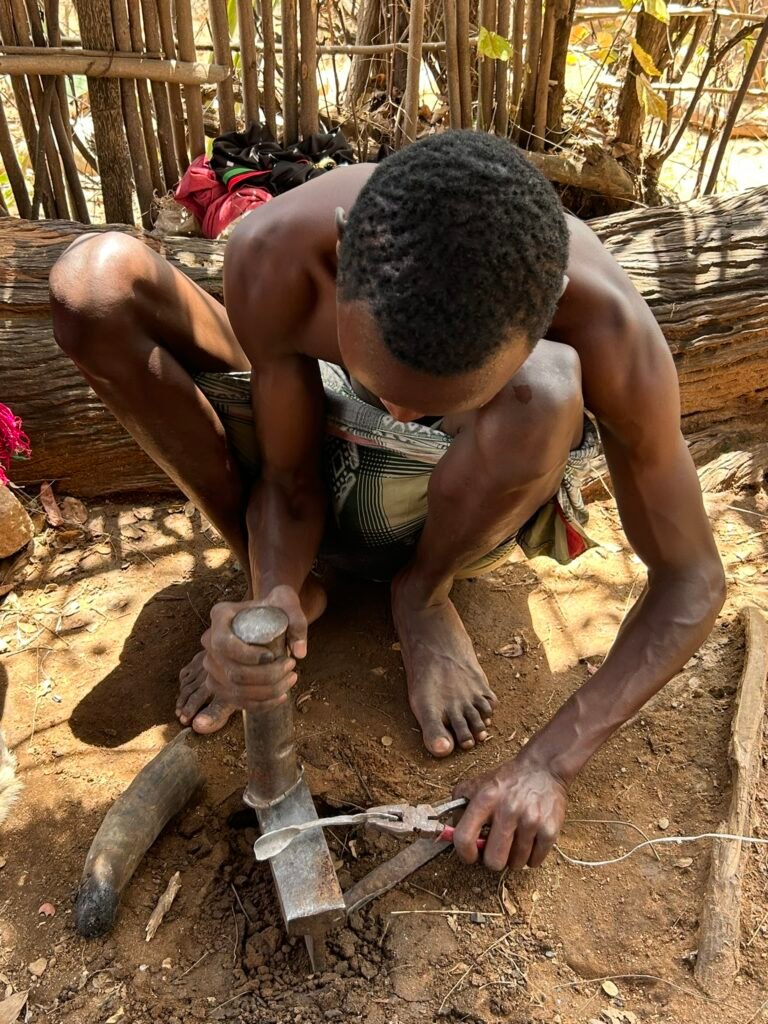
Dennis, our young host, had been practising the craft since childhood and was still only 21 years old. Sitting beneath a simple shelter, he demonstrated how fragments of an old cooking pot could be transformed into jewellery and spearheads using charcoal, goat-skin bellows, basic hand tools and extraordinary patience.
By the end of the session, the scrap metal had become two delicate bangles and two spearheads for us to take away.
At $25 per person, it felt refreshingly genuine – not overly polished or performative, simply an opportunity to witness a traditional skill still very much alive within the community.
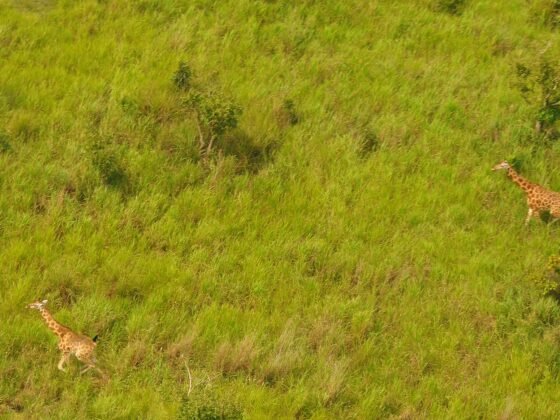
We also enjoyed a morning game drive, encountering a large herd of buffalo within minutes of leaving camp and later spending time with reticulated giraffe moving gracefully through the scrub.
At times, however, the activity programme felt slightly reactive rather than fully curated. Several guests admitted they were unsure which experiences to prioritise.
Some of the conservancy’s most fascinating projects also felt slightly under-explained. During one drive we passed a raised platform and later discovered it formed part of a rewilding initiative caring for rescued Grevy’s zebra, buffalo and Somali ostrich – exactly the kind of conservation story many guests would likely love to understand in greater depth.
Hospitality and Atmosphere
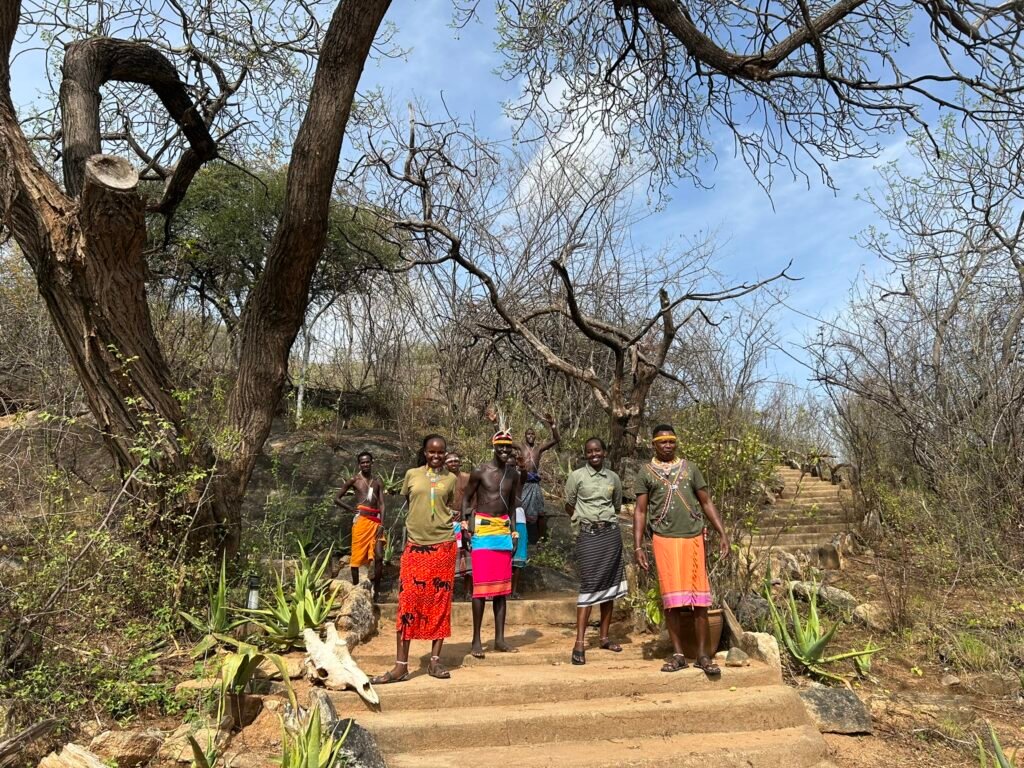
One of Sarara’s greatest strengths is the warmth of its people.
The staff, dressed in colourful Samburu jewellery and traditional clothing, bring enormous personality to the camp.
Many adopt western names at school or while working in tourism, so alongside traditional Samburu names we met hosts Robert, Anne and Mark.
Mark, who looked after us at the house, told us with a grin that he had been hopeless at watching his family’s goats as a child.
“My father said I should go to school instead,” he laughed.
That eventually led him into conservation tourism.
Those small conversations became some of the most memorable parts of the stay.
Meals are largely communal, shaped by the rhythm of arrivals and departures. New guests drift in from transfers while others reluctantly prepare to leave, and conversations naturally evolve around the table throughout the day.
Sarara House also offers private dining, which we enjoyed as a quieter alternative.
The food itself was fresh, colourful and generous without becoming overly elaborate. One lunchtime we were served relaxed buffet-style fajitas, while evenings drifted naturally towards long conversations in the open-sided lounge with a gin and tonic in hand as darkness settled across the valley.
One evening we sat with founder Piers Bastard, who described how poaching and Somali banditry had once almost emptied this region of wildlife.
When Sarara first opened in partnership with the community in 1997, sightings were genuinely rare. Today, wildlife has returned in remarkable numbers.
The camp remains family-run, now managed by Piers and Hilary’s son Jeremy and his wife Katie.
Katie’s enthusiasm for the conservancy and its partnership with the Samburu community was infectious. I particularly enjoyed hearing her talk about Reteti Elephant Sanctuary and the decision during the pandemic to experiment successfully with locally sourced goat’s milk rather than imported formula for orphaned elephants.
Final Thoughts
Sarara is not a perfectly polished luxury safari experience in the conventional sense. Your time is not choreographed. Instead, Sarara retains a looseness and authenticity that feels increasingly rare. Weather changes plans and wildlife appears unpredictably.
The scale and beauty of the landscape, the sense of isolation and the connection to Samburu culture create something genuinely distinct within Kenya’s safari circuit.
But because the foundations are already so strong, the gaps in the experience become more noticeable when key activities fall away. Missing the Singing Wells and not seeing a single wild elephant across the conservancy inevitably left a void during our stay. More imaginative walking routes, deeper conservation experiences and fuller exploration of the conservancy would help balance the programme and reduce the pressure on a handful of signature activities.
Still, what stays with you afterwards is not a checklist of sightings, but the feeling of having spent time somewhere genuinely remote, resilient and deeply connected to the people who call it home.
If you are interested in travelling to Kenya you may like to explore our travel pages, which includes sample itineraries and guide prices. All bookings support Explorers Against Extinction at no additional cost to you. All bookings ATOL protected.