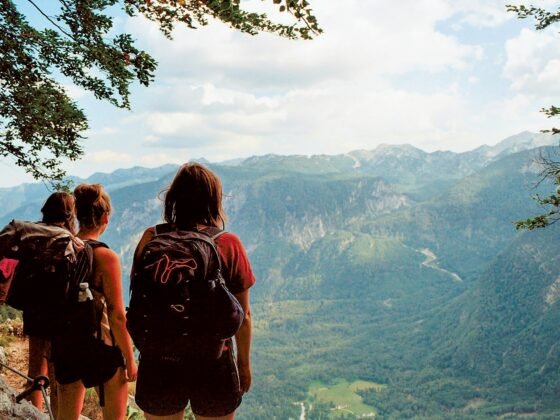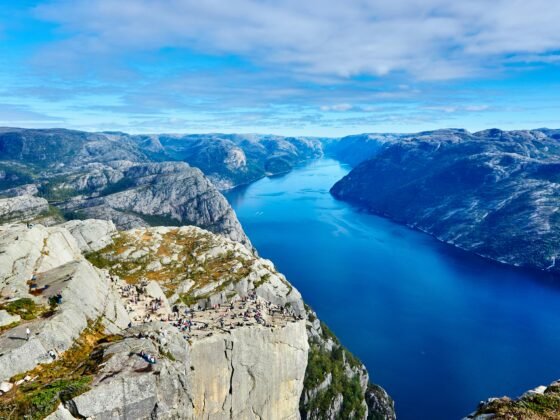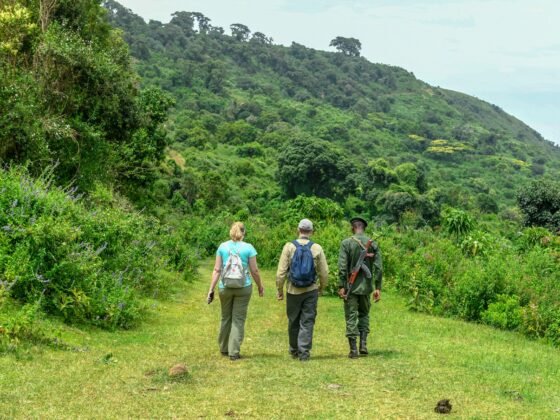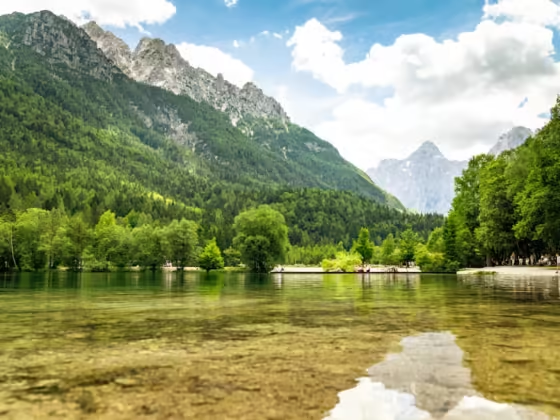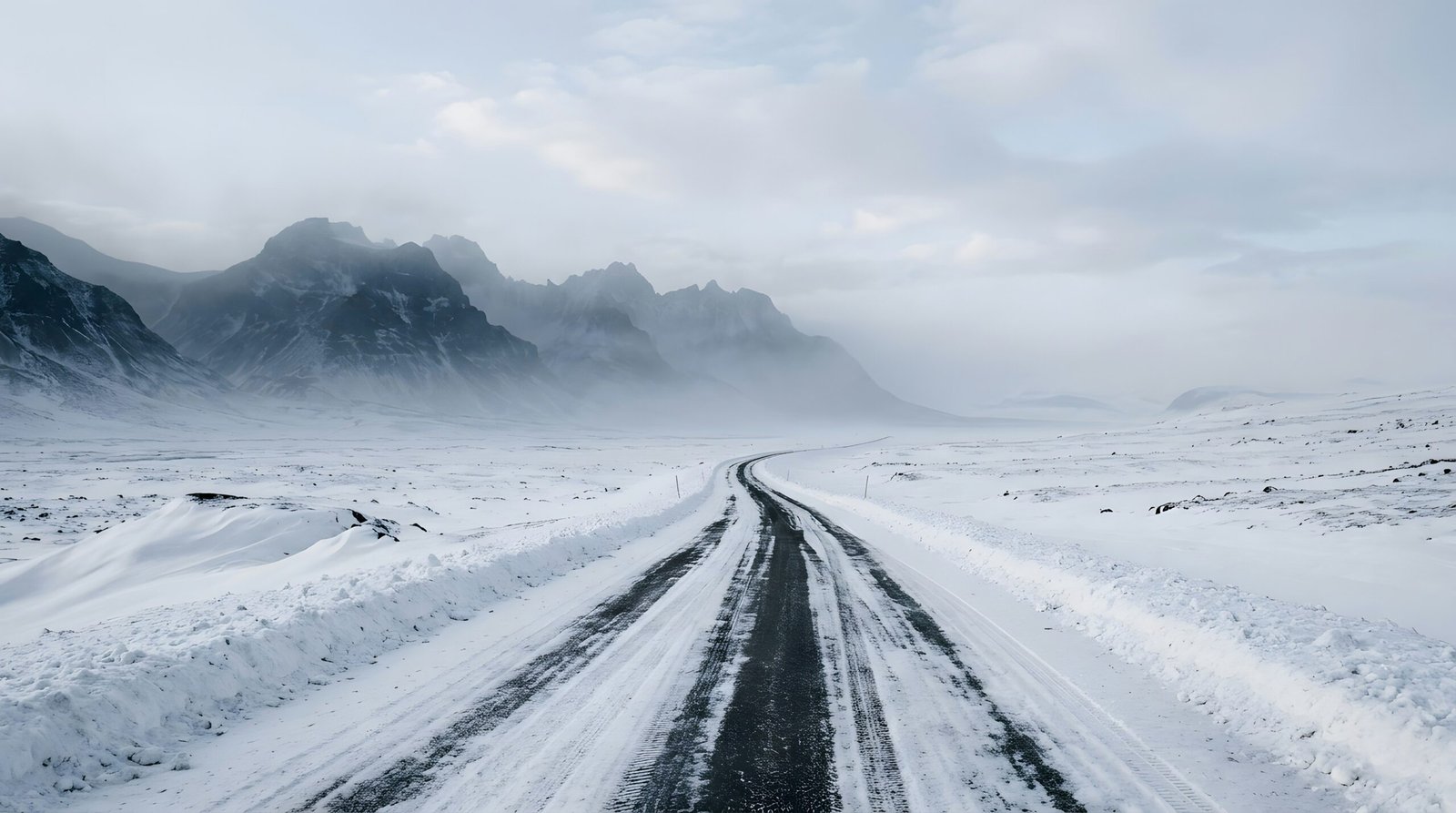
During European winters, snow sharpens mountain ridges and bare forests open up views that the summer leaves concealed. When you holiday in winter, you might wake beside a frozen Alpine valley one morning and spend another walking a breezy Mediterranean coastline. Some destinations that become hot or crowded in summer can also feel more comfortable for walking when temperatures drop.
Head Into the Mountains
The Alps might be Europe’s obvious winter playground, but they are far from your only option. The Pyrenees, Carpathians and Julian Alps all place you among dramatic peaks, while Scandinavia offers snow-covered woodland and frozen lakes.
Choose a base where you can reach natural landscapes without relying on ambitious high-altitude routes. Staying in a valley town, for example, lets you take cable cars or local transport before returning to somewhere warm in the evening.
Weather and terrain matter more at this time of year, so check local forecasts before heading out. In genuinely mountainous terrain, knowing how to navigate and understanding winter conditions also become important safety skills.
Combine Skiing With Exploring the Landscape
You do not need to spend every day chasing kilometres of pistes. Booking ski holidays can result in building a base for experiencing the wider mountain environment.
Swap the lifts for snowshoes for an afternoon or try a marked winter walking trail. Moving at a gentler pace gives you more opportunities to notice details you might miss when skiing downhill. It also adds variety to a week away. If your legs need a break from downhill skiing, a short valley walk can keep you outdoors without putting the same demands on your body.
Discover Europe’s Winter Wildlife
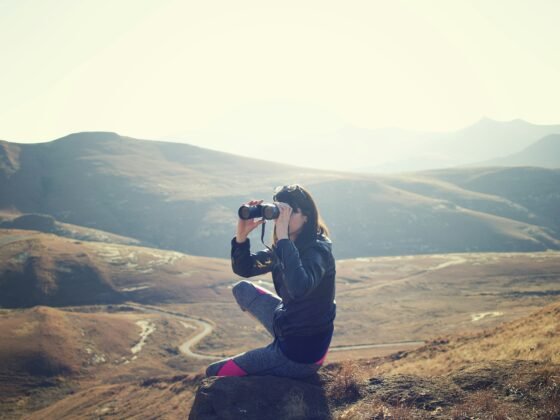
While some animals become harder to find during winter, others leave useful signs behind. Fresh snow can reveal prints clearly, while leafless trees improve visibility through woodland. In some Alpine valleys, animals also move down from higher ground once snow arrives.
Consider joining a wildlife guide rather than trying to track animals yourself. An experienced local can show you how to distinguish between prints and droppings without encouraging you to approach wildlife too closely.
Explore on Foot
Europe has coastal paths, lower valleys and southern islands where you can continue hiking through the colder months. If you want snow, routes in the Alps and northern or eastern Europe offer wintry surroundings. If you prefer milder temperatures, southern Europe offers alternatives, including Mediterranean routes where cooler conditions can make longer walks more comfortable.
Carry warm layers and navigation equipment, check the weather before leaving, and choose an easier route when conditions look uncertain.
Travel With Respect for Wild Places
Winter landscapes can look empty, but that does not make them limitless. Wildlife still needs space. Vegetation can remain vulnerable beneath the snow. Local communities continue their everyday lives after the busiest tourist seasons end.
Stick to established winter routes where local guidance asks you to, keep your distance from animals, and take your rubbish back with you. Choosing locally run accommodation and services can also connect your trip more closely with the area you have come to experience.
Image: Unsplash, Noman Craft