When planning a wildlife holiday, it is easy to start with binoculars, a camera and the prospect of seeing animals in their natural habitat. Luggage arrangements tend to receive less attention. Yet a bag that works for the international flight may be an awkward choice for the transfer that takes you closest to the reserve.
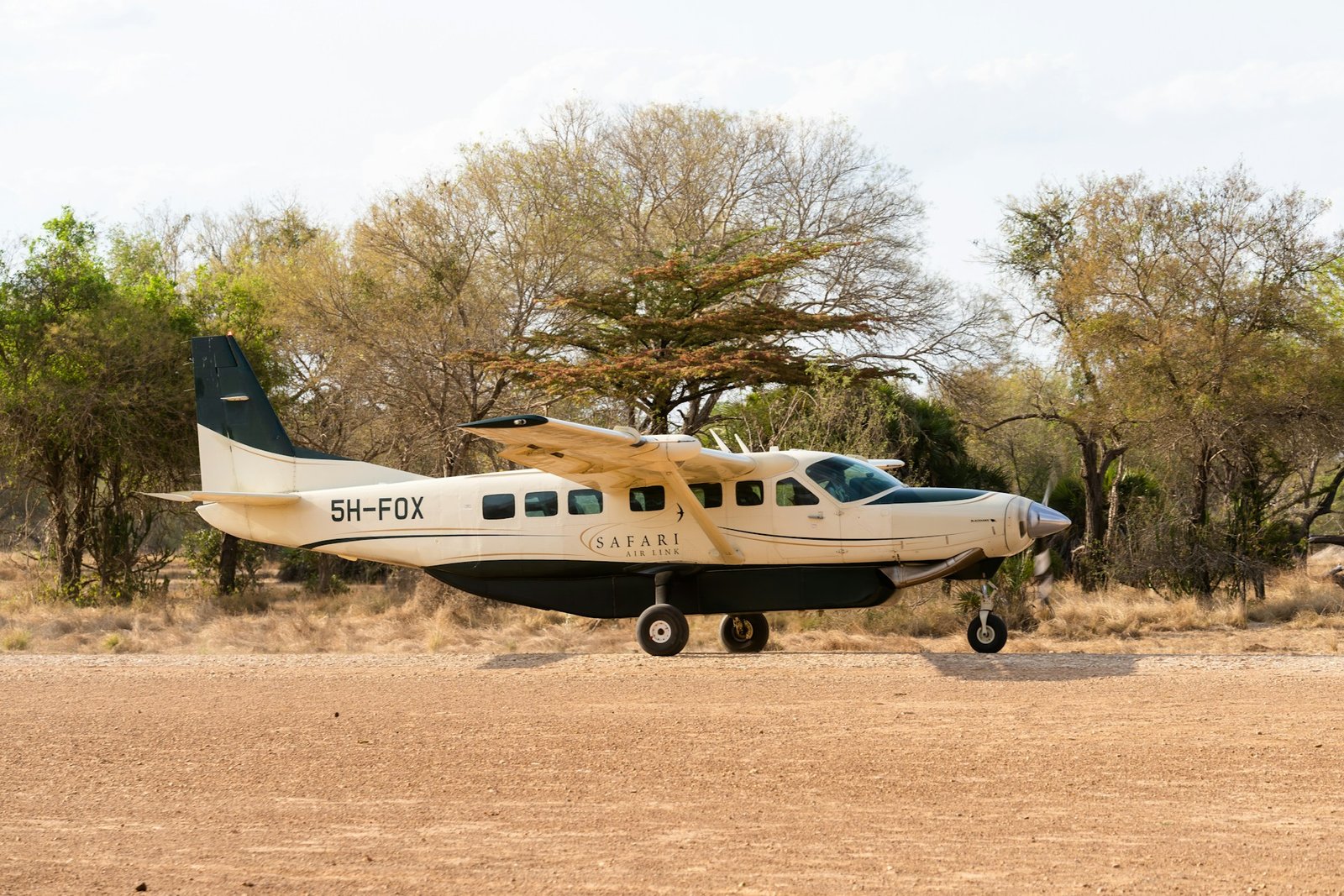
Begin with the complete journey. Alongside the flights, include the road transfer, boat journey or local aircraft mentioned in your itinerary. The most restrictive part of that journey should influence your packing before the bag is full.
Ask about the local transfer, not just the long-haul flight
Read the operator’s joining instructions and ask for anything that is missing. Useful questions are specific: which company operates the transfer, what type of bag is accepted, what dimensions apply, and does the stated weight include hand luggage and camera equipment?
If the operator requires soft-sided luggage, find out what that means in practice. Ask whether a wheeled base, rigid frame or fixed handle is acceptable. A bag described as a soft duffel in a shop may still have features the transfer company cannot accommodate.
Do not substitute a general airline allowance for a local operator’s instructions. If you are uncertain, send the operator the bag’s outside measurements and a photograph before departure. Keep its reply with your booking information, and ask whether any conditions might change before travel.
Compare the scheduled flights separately
The international and domestic flights can also have different cabin allowances. Record the operating airline, fare, permitted number of pieces, size limits and any weight rule for each leg. Check the return journey too, especially if it follows a different route.
An airline baggage-policy directory can provide a starting point for reviewing scheduled carriers. Use the linked airline information to verify the allowance attached to your ticket. A charter or lodge transfer that is not covered still needs its own confirmation.
Where the route involves several supported airlines, you can compare cabin limits across the route before selecting a bag. Keep that comparison alongside the transfer operator’s instructions. The two checks answer different parts of the same practical question: can you carry this particular luggage through the whole trip?
Give every piece of equipment a planned use
Lay out equipment beside the activities you have booked. A camera, a second lens, a tripod and a spare pair of binoculars each need a reason to travel. Ask yourself when you will use the item, how you will carry it during an outing and whether it duplicates something already packed.
Before buying specialist equipment, ask what the guide or accommodation can provide. Availability, condition and rental terms matter, so confirm rather than assume. Borrowing or hiring a suitable item may make more sense than purchasing something heavy for a single trip.
Pack important equipment where you can identify it without emptying the entire bag. A simple list of chargers, cables and batteries helps prevent arriving with several devices but the wrong charging lead. Check current airline rules for batteries and electronic equipment before deciding where each item will travel.
Use the accommodation’s advice to build the clothing list
A wildlife itinerary may involve early starts, long periods outdoors and evenings in a different setting. Ask your host about the conditions expected during your dates and the clothing required for the activities you have chosen. A general packing list cannot account for every location, season or type of excursion.
Choose layers that work together and footwear suited to the actual terrain. Avoid packing a separate outfit for every possible version of the holiday. If laundry is available, ask about turnaround time before reducing the number of changes you bring. Clothes that cannot be cleaned or dried in time are not a useful packing shortcut.
Include a modest way to separate dirty clothing from clean items. Reusing a pouch or laundry bag you already own can serve this purpose without buying another set of travel accessories.
Reduce disposable extras without making unsupported promises
Check what your accommodation supplies before filling the bag with miniature toiletries and individually wrapped products. Bring the quantities you expect to use, and plan how empty containers and worn-out equipment will leave with you. Ask the operator about its refill and waste arrangements.
A smaller bag does not, by itself, establish that a holiday is environmentally responsible. Decisions about the operator, accommodation and activities also deserve attention. Treat careful packing as one practical part of preparation, rather than evidence for a sweeping sustainability claim.
Do a complete rehearsal
Close the bag, measure it and weigh the arrangement as it will travel. Include straps, protective cases and anything attached outside. Check that you can move between vehicles with every piece and that documents and essentials remain accessible.
If something does not work, resolve it with the relevant operator before departure. Taking a few items out at home is straightforward. Discovering an unresolved luggage condition at the start of a remote transfer is a much harder problem to solve, and a distraction from the wildlife journey you came to experience.
Photo by Aron Marinelli on Unsplash