In 2019, an invitation to join a wildlife monitoring flight over Garamba National Park in the Democratic Republic of the Congo gave me a memorable introduction to the challenges of protecting one of Africa’s rarest giraffes. Seven years later, there’s encouraging news from this remarkable wilderness.
A Seat Up Front
“Your father was a pilot? So, you like flying! You can sit up front with me!”
French bush pilot Alain seemed delighted with his discovery.
I was rather less enthusiastic.
I’d overheard the African Parks team discussing these monitoring flights, and the general consensus was that they could be decidedly stomach-churning. My expectations of enjoyment were, shall we say, rather low.
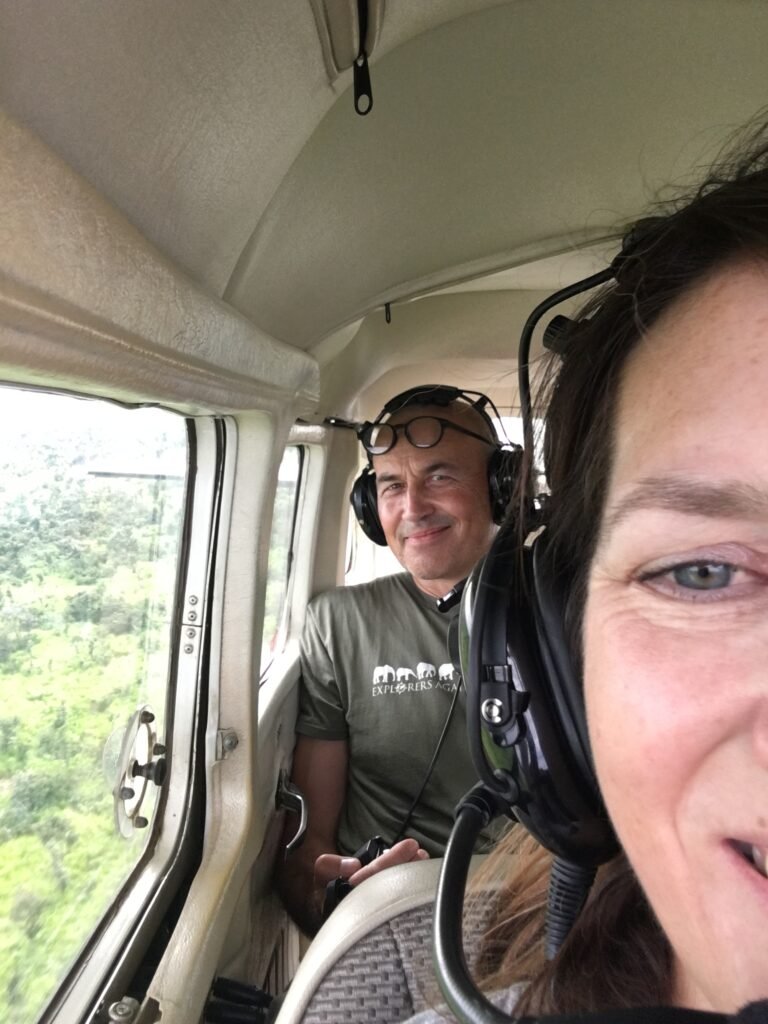
It was August 2019, and Rob and I were visiting Garamba National Park in the remote north-east of the Democratic Republic of the Congo as trustees of Explorers Against Extinction.
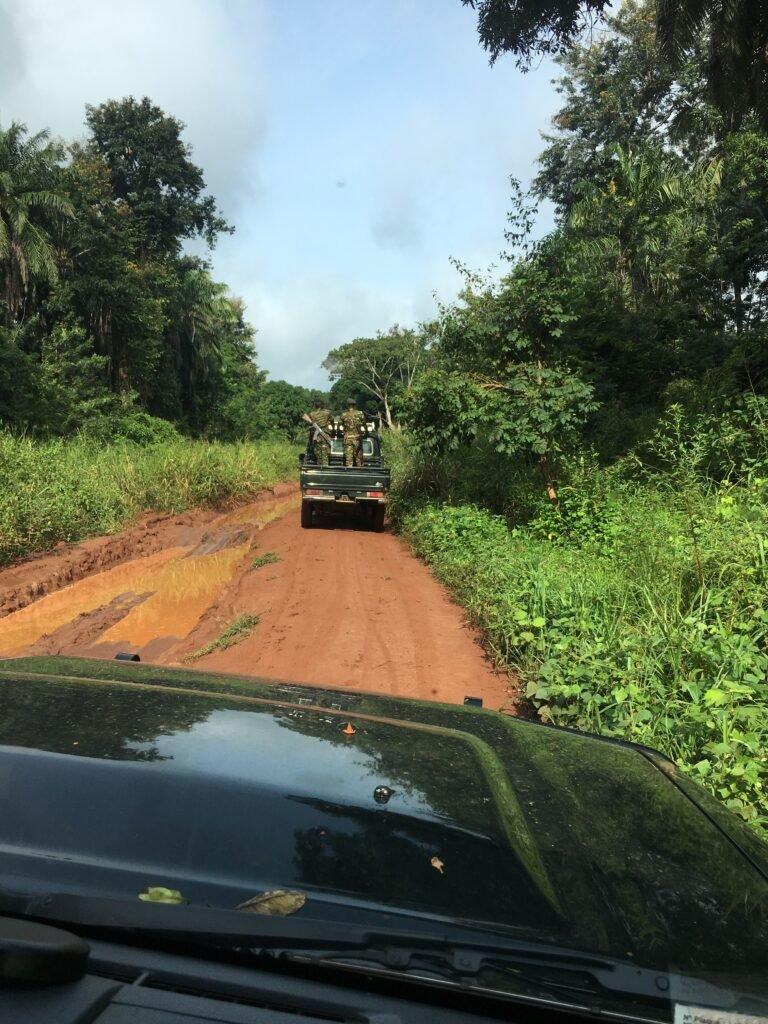
We’d spent much of the previous five days shadowing the park’s newly established anti-poaching dog unit, partially funded by a $50,000 donation from our charity. It had been a fascinating, sometimes sobering introduction to the realities of conservation in this challenging corner of Central Africa.
The opportunity to join a Kordofan giraffe monitoring flight was an unexpected bonus.
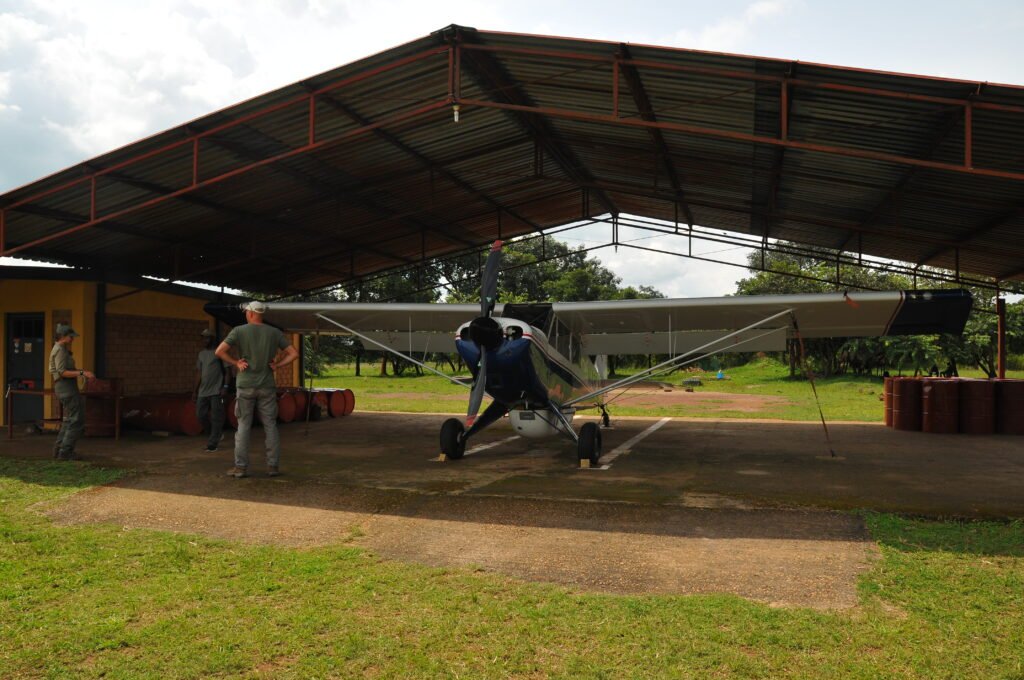
We made our way to Garamba’s bush airstrip, where a family of warthogs quickly cleared the runway as Alain fired up the Cessna.
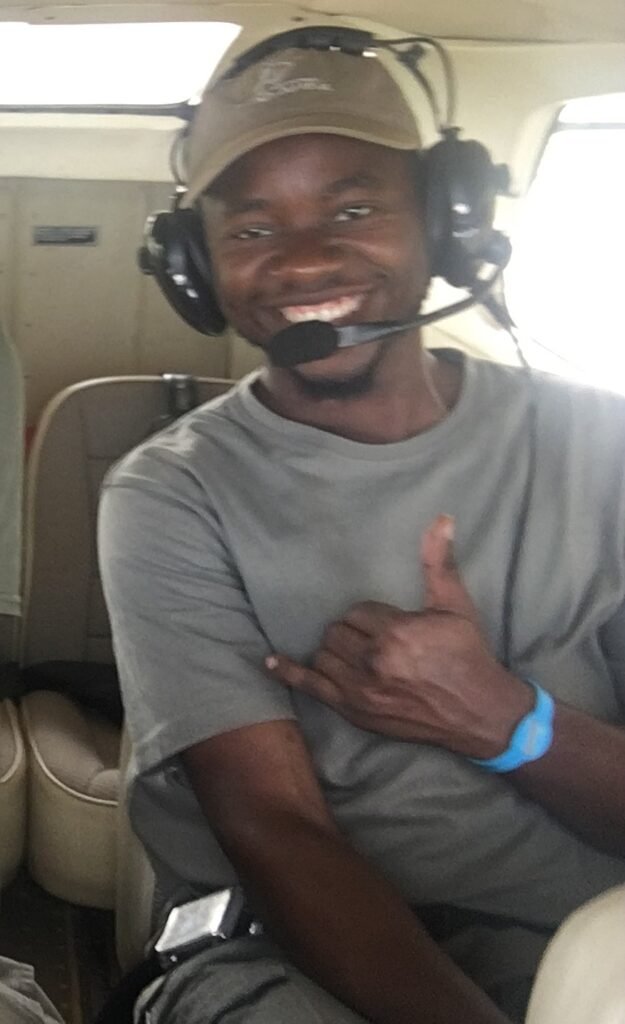
Before long, I was squeezed into the cockpit beside him, with Rob and Achille, the cheerful Congolese scientist leading the giraffe monitoring programme, behind us.
The small aircraft rattled along the airstrip and lifted into the hot afternoon sky.
The Last Giraffes of the DRC
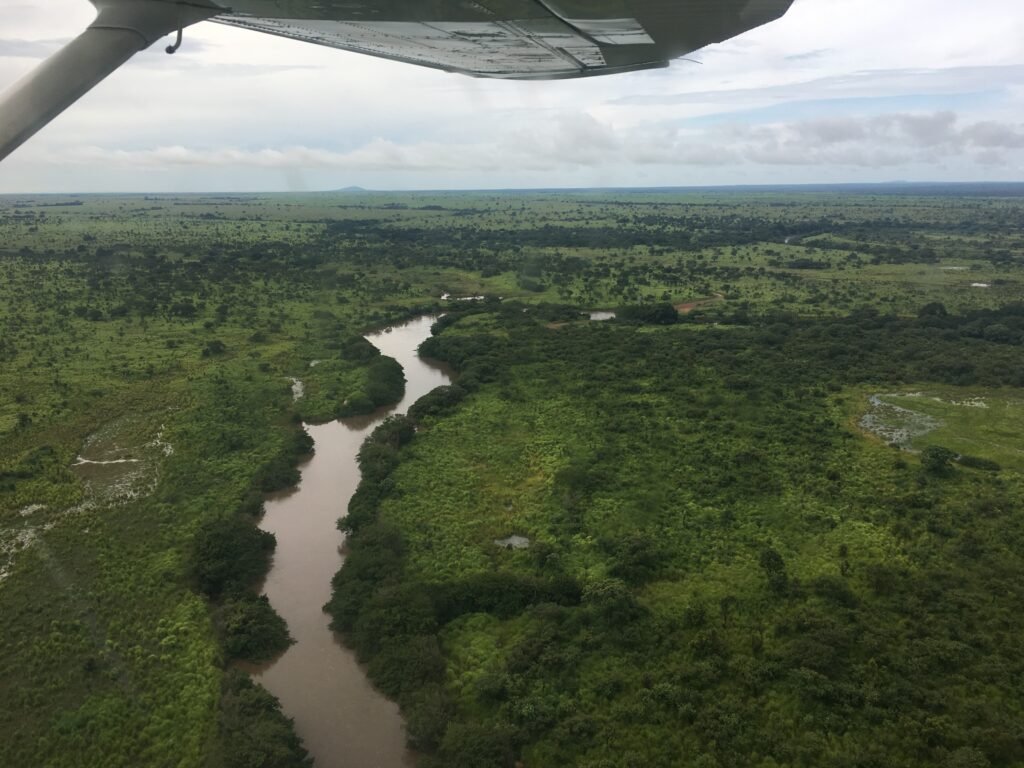
Garamba is an extraordinary place.
Established in 1938, it is one of Africa’s oldest national parks and a UNESCO World Heritage Site. Its vast savannah landscapes are broken by rivers and stretches of woodland, providing habitat for elephants, buffalo, hippos, lions and the critically endangered Kordofan giraffe, a subspecies of northern giraffe.
But Garamba has also endured decades of devastating poaching and regional instability.
When Rob and I visited, African Parks, working in partnership with the Congolese conservation authority ICCN, was making significant progress in restoring security and protecting wildlife.
Our fundraising had helped establish a new six-dog anti-poaching unit, providing kennels, training facilities and equipment, along with the purchase and initial training of two specialist dogs. Further support from the European Union enabled the unit to expand to six dogs.
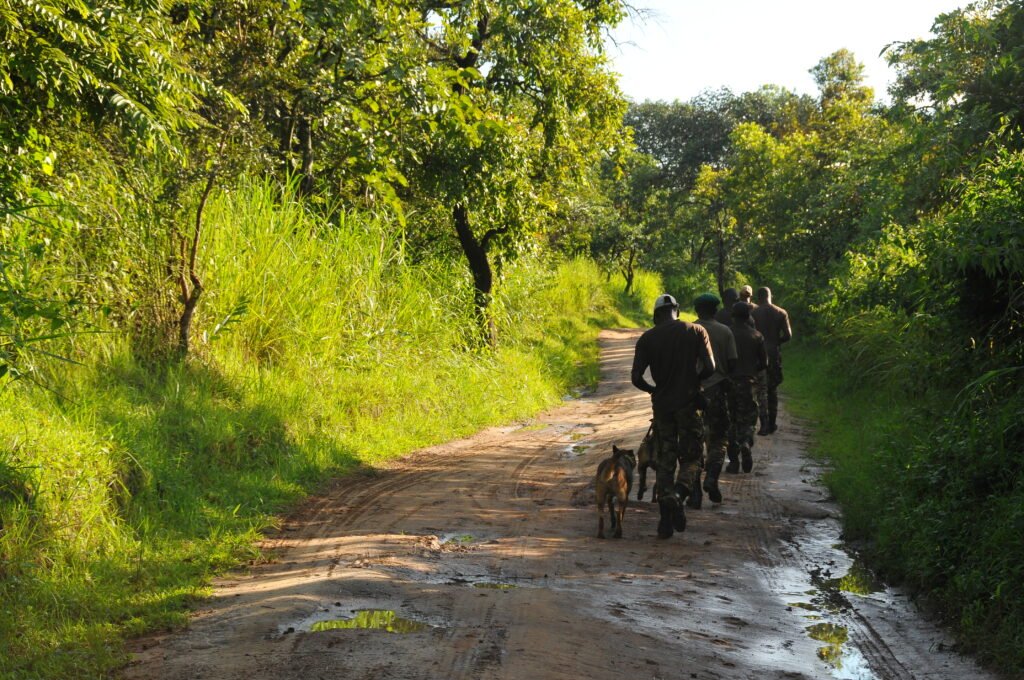
Spending time with their handlers had brought home just how demanding, and sometimes dangerous, conservation work could be.
Among Garamba’s most vulnerable residents were the Kordofan giraffes, the last remaining wild giraffes in the DRC.
Their population had fallen to just 22 animals in 2012.
For such a small and isolated population, every individual mattered. Knowing where the giraffes were, identifying them and monitoring their breeding success were all vital to their survival.
And that was what our afternoon flight was all about.
Searching for Giraffe from the Air
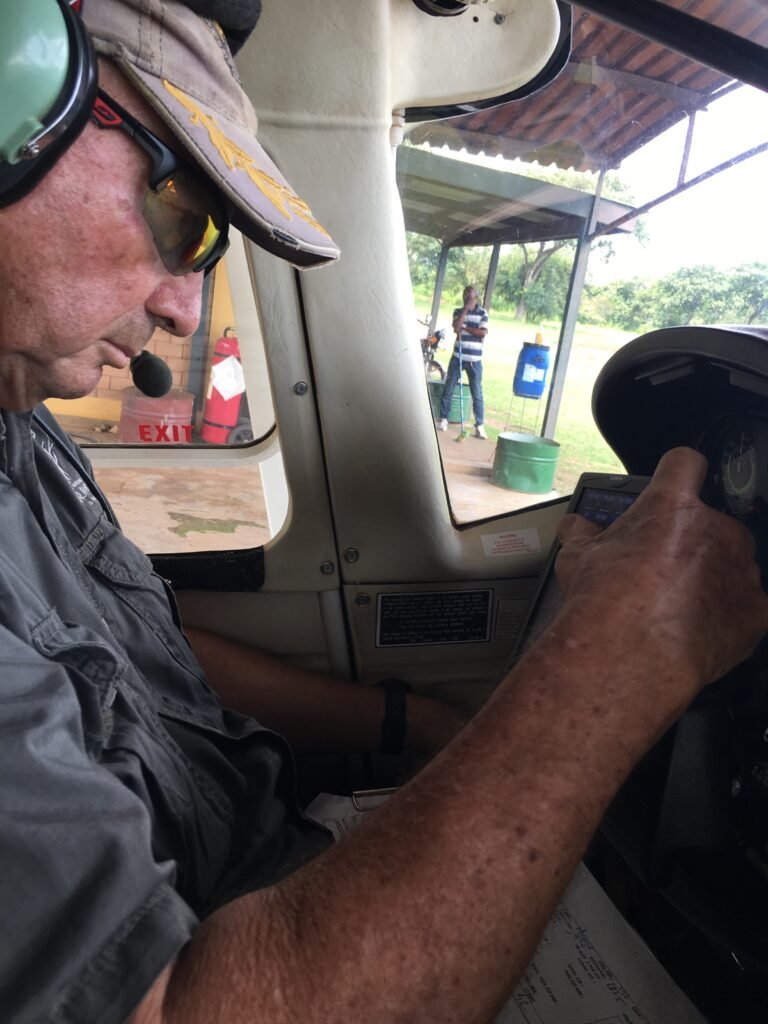
Achille Diodio was the expert on board.
He’d grown up just two hours from Garamba, completed a master’s degree in elephant conservation in northern China, and returned home to work on conserving his country’s remarkable wildlife.
He knew exactly what he was looking for.
I, on the other hand, was discovering just how difficult it could be to spot a five-metre-tall animal from a small aircraft, particularly one piloted by someone who appeared to take such enormous pleasure in flying.
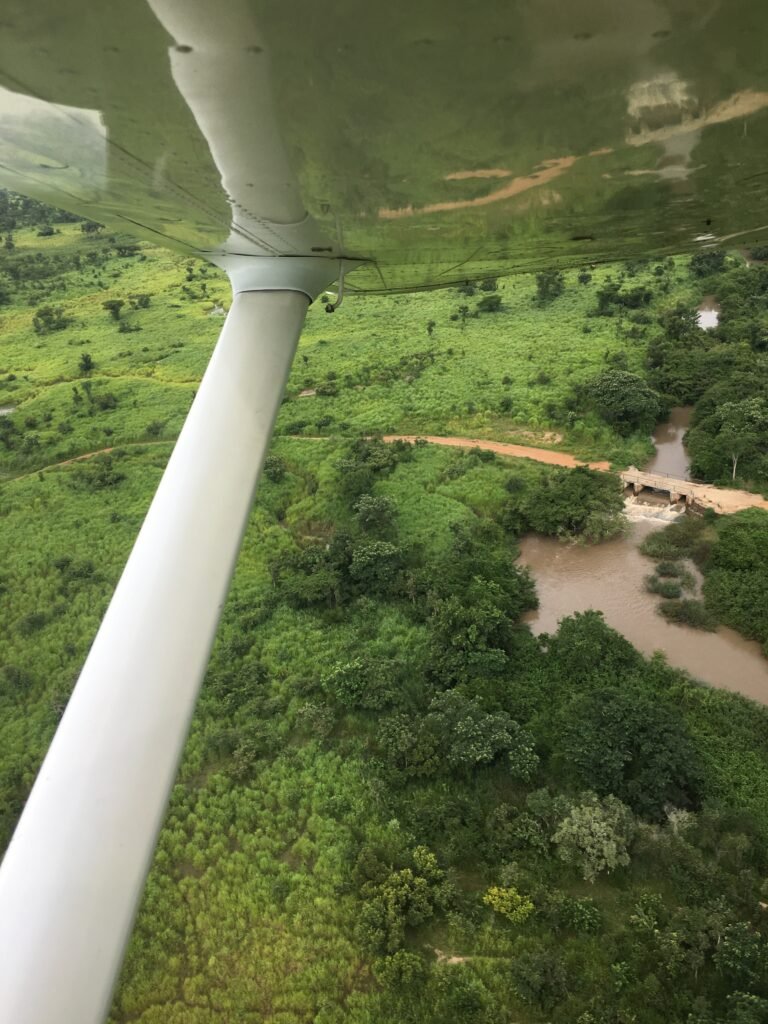
It was August, when Garamba’s elephant grass was tall and the landscape a seemingly endless patchwork of green.
At flying speed, trees, shadows and clearings merged together. It was surprisingly easy to lose your bearings.
The sun streamed through the cockpit windows, hot, bright and unrelenting. As the flight progressed, the heat and constant movement began to take their toll.
One look at Rob, who had become increasingly quiet in the back, told me he wasn’t feeling much better.
Alain swept the Cessna across the landscape, banking sharply as Achille scanned the ground below.
Then came a shout from the back.
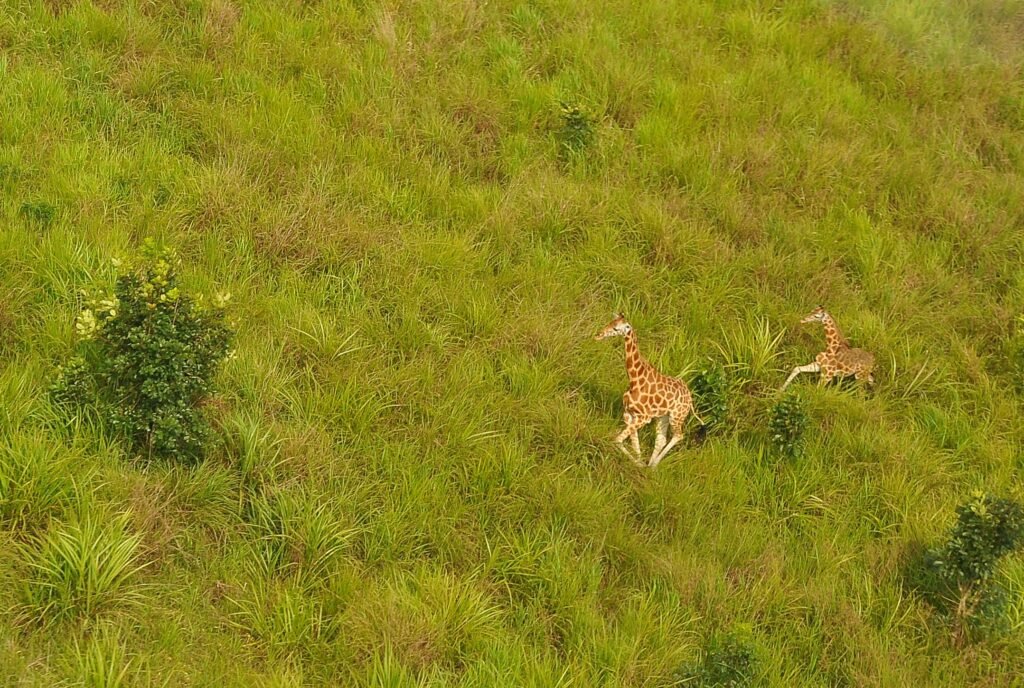
“Giraffe!”
Alain turned steeply, bringing us around for another look. I caught a fleeting glimpse of a long neck.
“Did you get the picture?” Alain asked.
There was a moment’s hesitation.
“No. Go round again.”
And round we went.
Again. And again…
The horizon tilted, the landscape wheeled past my window and my stomach lurched.
I was rapidly developing enormous respect for wildlife researchers who spend hours in the air doing exactly this.
Thankfully, Achille had much sharper eyes than either Rob or me.
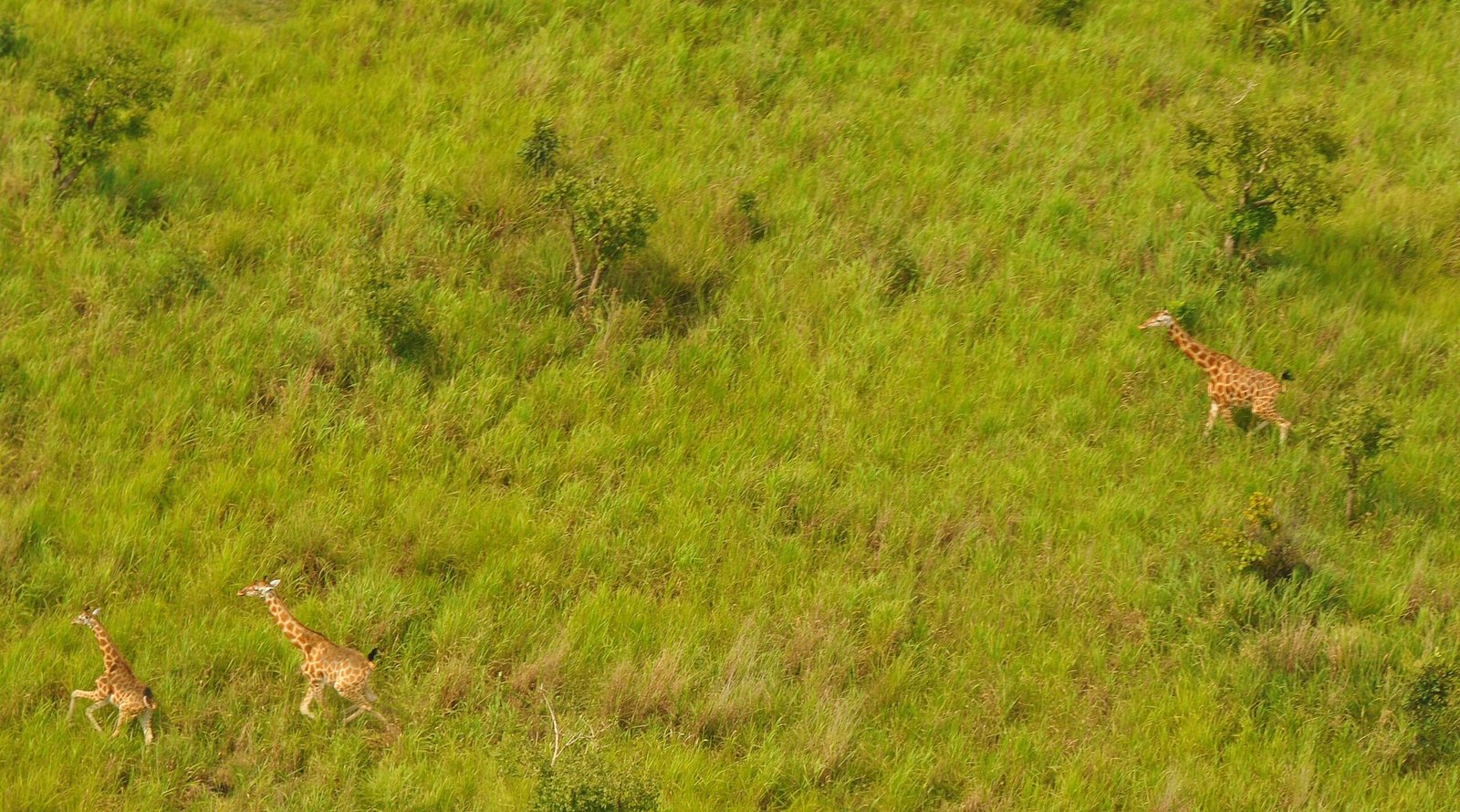
On another pass, we spotted four Kordofan giraffe emerging from the trees. Then a mother and calf.For a few wonderful moments, we followed their graceful progress across the savannah before they disappeared once again into the vegetation.
It was astonishing how quickly such enormous animals could vanish from view.
Alain made several more low passes across the landscape, including one over the ranger station and the Dungu River.Below us, hippos appeared like stepping stones in the water. Antelope scattered as the aircraft approached, disappearing into the towering grass.
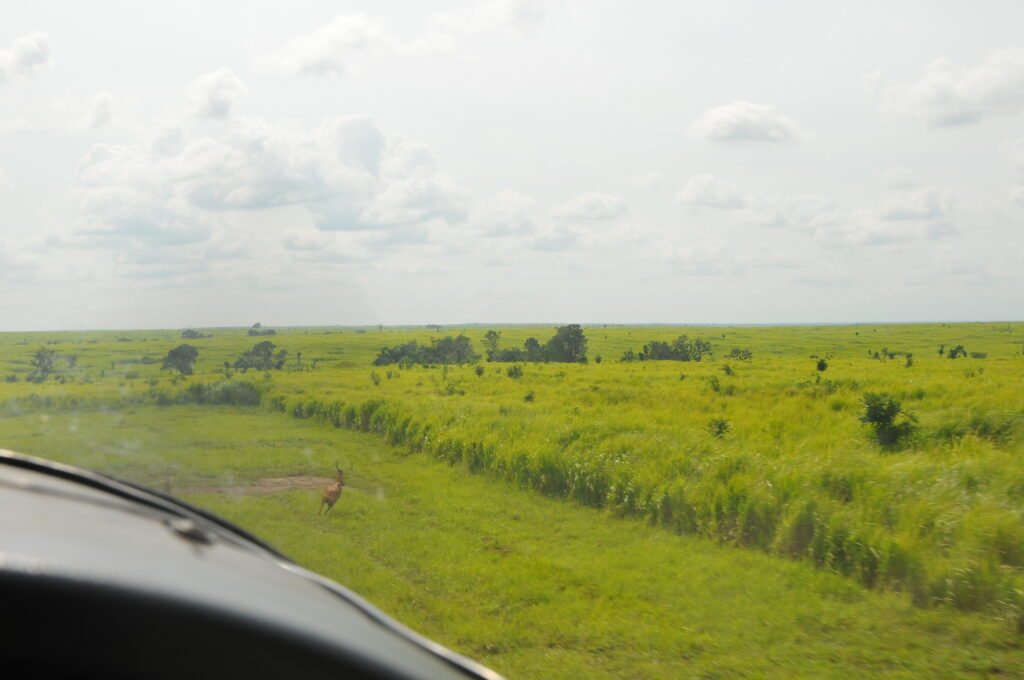
Then the aircraft banked again.
By now, I was concentrating rather more on the horizon than the wildlife. Beads of sweat had gathered on my forehead, and I was seriously questioning my enthusiasm for sitting up front.
I was delighted when the wheels finally touched down on Garamba’s grassy airstrip.
At the time, we were told that the giraffe population was recovering, with around 55 animals believed to be living in the area.
After everything we’d learned about the park’s history, that felt like genuinely encouraging news.
From Aerial Surveys to AI
Looking back on that flight seven years later, I’m struck by how much wildlife monitoring has evolved. Our 2019 experience relied on skilled flying, sharp human observation (not ours!) and photographic records.
It was painstaking work, particularly across a landscape as vast and inaccessible as Garamba.
Today, conservationists have increasingly sophisticated tools to help them. One particularly useful development is AI-assisted photographic identification.
Every giraffe has a unique pattern of markings, rather like a human fingerprint. By comparing photographs, researchers can recognise individuals and build up records of their movements, survival and breeding over time.
The Giraffe Conservation Foundation’s GiraffeSpotter system uses artificial intelligence to help make this process more efficient. Garamba has also introduced a dedicated giraffe aerial monitoring protocol.
In 2025, lightweight Savannah aircraft began flying carefully planned routes over areas where giraffes are known to occur. The new approach has achieved an impressive 89% detection rate, with individual giraffes recorded a median of four times during the year. The aim is to observe at least 80% of the population every six months.
Aircraft and experienced observers are still central to the process, but the information they gather can now be analysed more consistently.
Supporting the Science
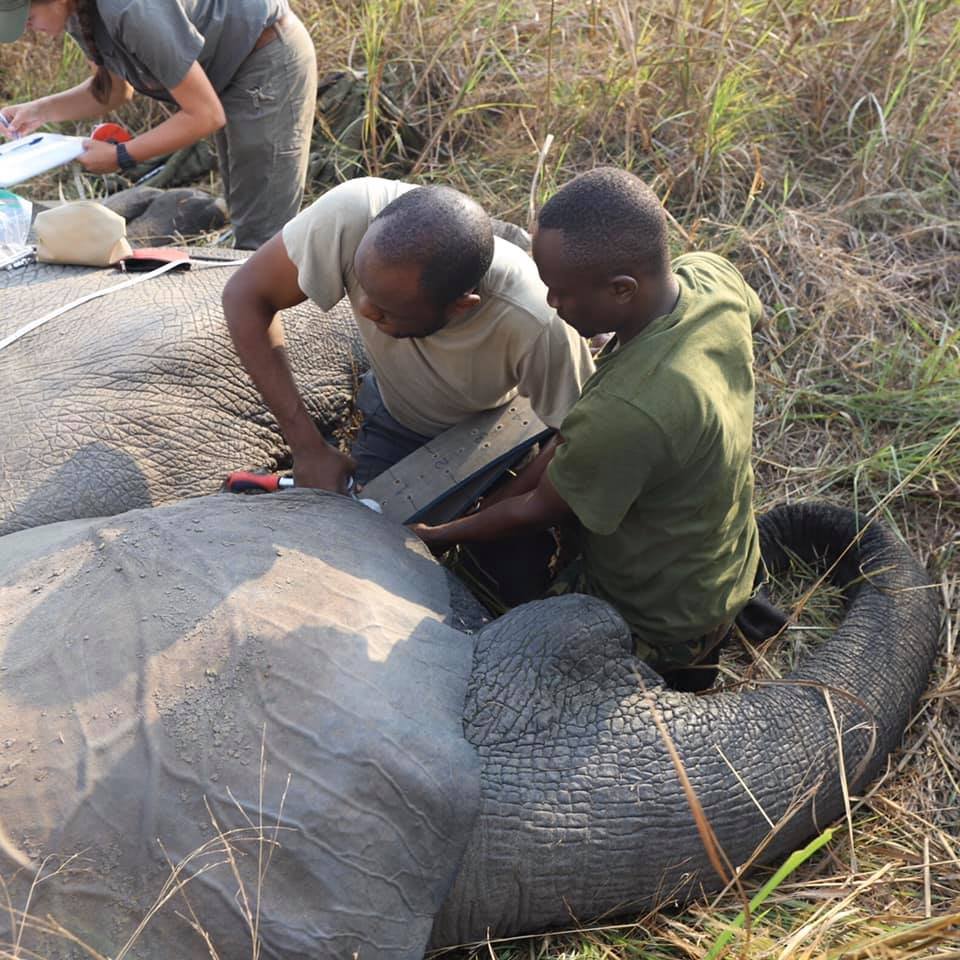
Our involvement with Garamba didn’t end with the dog unit.
In 2020, Explorers Against Extinction donated a further $28,500 towards an ambitious genomics project involving African Parks and Stanford University in California.
The research covered two extraordinary Central African wilderness areas: Garamba National Park in the DRC and Chinko in the neighbouring Central African Republic.
Rather than focusing solely on giraffes, the project investigated several species, including elephants, giraffes, lions, leopards, hyenas and chimpanzees.
The idea was to use genetic information to better understand wildlife populations across these vast and difficult-to-survey landscapes.
Samples such as dung and saliva can reveal information that is impossible to establish through observation alone, helping researchers investigate genetic diversity, population relationships and even aspects of animal behaviour.
One of the early findings was particularly fascinating.
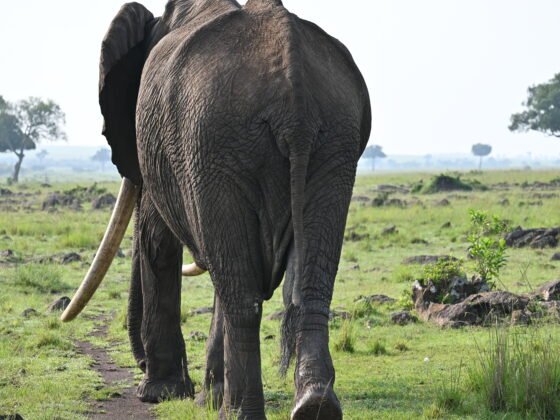
Research involving elephant dung samples from Garamba revealed that some of the park’s forest elephants were behaving rather differently from what scientists had expected.
Instead of spending nearly all their time feeding in forests, this population was spending a substantial amount of time in the grasslands, consuming grass and potentially taking on some of the ecological role once played by savannah elephants.
It was an intriguing discovery, raising new questions about how elephants adapt to changing landscapes.
And a reminder that protecting wildlife requires more than counting animals. Understanding how species interact with their environment is equally important.
Separate giraffe-specific genetic research is now helping conservationists investigate the long-term viability of Garamba’s isolated Kordofan giraffe populations.
Seven Years Later: A Reason to Celebrate
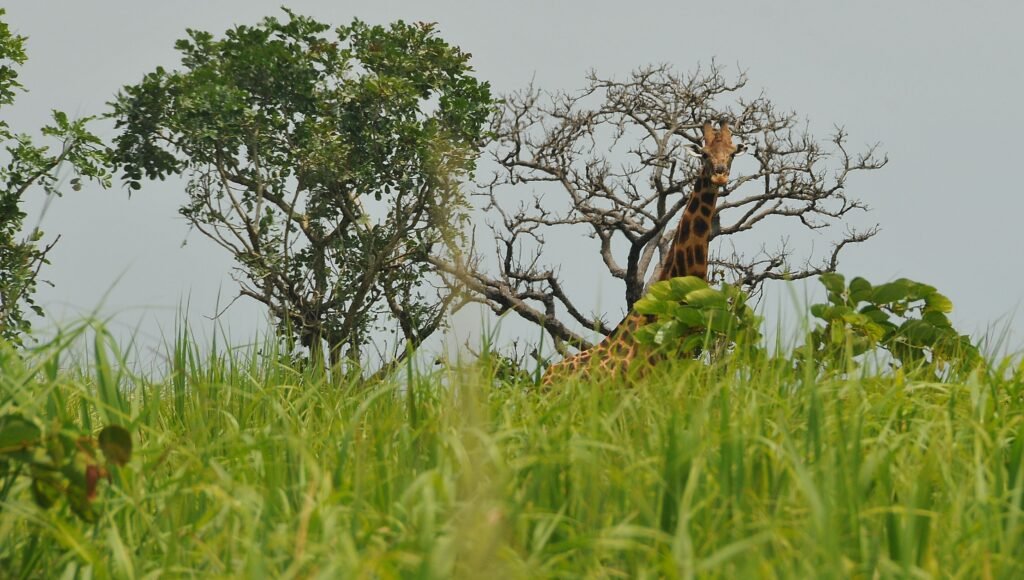
The most encouraging news is what has happened to Garamba’s giraffes since our visit.
In 2012, just 22 animals remained.
By 2021, the population had reached 70, rising to 92 in 2024.
And in April 2025, African Parks recorded an estimated 105 Kordofan giraffes in the wider Garamba ecosystem.
It’s a remarkable recovery from the low point of 2012.
That doesn’t mean their future is secure.
Garamba’s giraffes remain divided between two geographically separate breeding populations, and researchers are investigating the potential effects of limited genetic diversity.
27 giraffe skin biopsy samples are undergoing laboratory analysis to help scientists assess genetic diversity, inbreeding risks and the long-term prospects for these animals.
Nevertheless, the recovery demonstrates what sustained conservation work can achieve. Improved security, dedicated monitoring, scientific research and long-term partnerships have all helped give these giraffes a better chance.
And in a landscape that has experienced so much loss, that’s particularly encouraging.