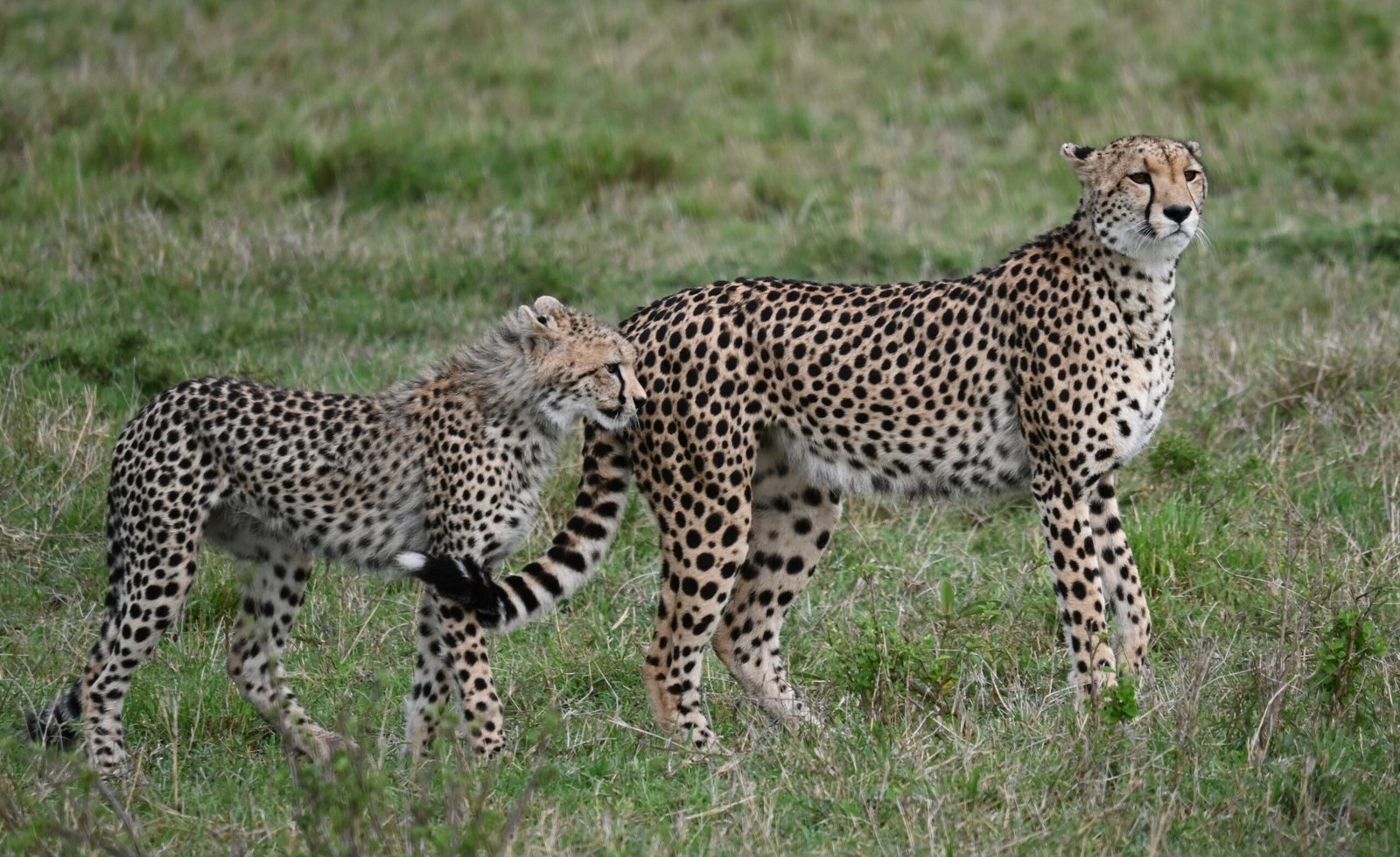
From Zimbabwe’s Zambezi Valley to Zambia’s Luangwa wilderness, two ambitious conservation initiatives are offering fresh hope for one of Africa’s most threatened big cats.
The cheetah may be the fastest land animal on Earth, but it is losing the race for survival across much of its former range.
Classified as Vulnerable on the IUCN Red List, the cheetah has disappeared from approximately 90% of its historical range. The IUCN Cat Specialist Group estimates that around 6,500 mature individuals remain in the wild, although significant uncertainty surrounds population estimates in some regions.
Habitat loss, declining prey populations, competition with larger predators, conflict with people and increasingly fragmented landscapes have all contributed to the cheetah’s decline.
Recent developments in Zimbabwe and Zambia bring fresh hope for this much-loved cat.
Zimbabwe: Cheetahs Return to the Zambezi Valley
In Zimbabwe’s spectacular Zambezi Valley, cheetahs are returning through a combination of natural dispersal and carefully managed conservation efforts.
In 2025, conservationists relocated 16 cheetahs from South Africa to Panyame Conservancy in northwestern Mozambique, close to the borders with Zimbabwe and Zambia. Of the 16 cheetahs translocated, 14 survived their first year. Several dispersed into neighbouring Zimbabwe, while the birth of three cubs in Panyame in April 2026 offers another encouraging sign for the project.
Bugatti, a female originally from Amakhala Game Reserve in South Africa, was one of the cheetahs to disperse. She tracked west to the Sapi Private Reserve, adjoining Mana Pools National Park, and has reportedly been seen since around Ruckomechi.
A coalition of three males, known as the Kalahari Boys, also travelled hundreds of kilometres into the Mana Pools landscape before returning to Mozambique.
Their journeys demonstrate the importance of large, connected wilderness areas, allowing wildlife to disperse naturally and potentially establish new populations.
Sapi private Reserve, Zimbabwe
Great Plains Conservation has been undertaking an ambitious restoration of the Sapi Private Reserve through its Project Rewild initiative.
Covering approximately 128,000 hectares east of Mana Pools, Sapi forms part of the UNESCO World Heritage-listed Mana Pools and Sapi-Chewore landscape. Once a hunting concession, the reserve is being transformed into a protected wildlife haven, with Great Plains’ Tembo Plains Camp providing a base for responsible safari tourism.
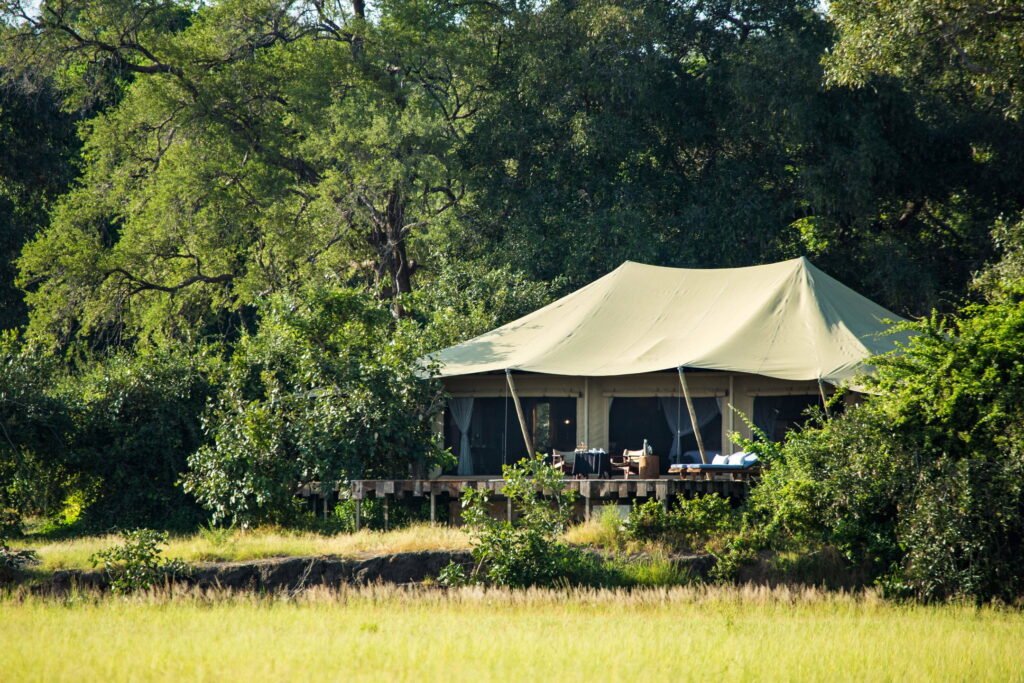
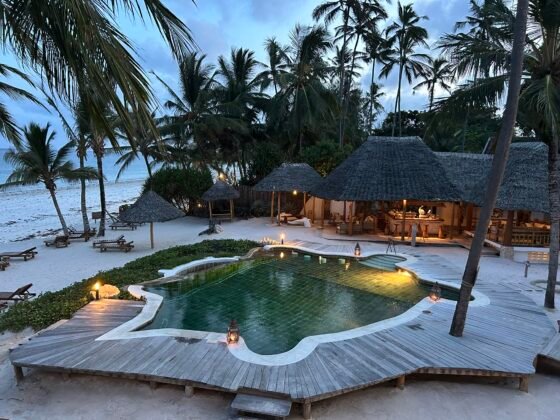
Nestled in thick riverine forest on the banks of the Zambezi River, Tembo Plains Camp lies within the 128,000-hectare Sapi Private Reserve, east of Mana Pools National Park.
Image: Great Plains Conservation
Restoration involves far more than simply moving animals. Great Plains, working alongside Zimbabwe’s wildlife authorities and other conservation partners, has been rebuilding wildlife populations, improving infrastructure, strengthening anti-poaching operations and monitoring the recovery of the ecosystem.
In 2022, 101 elephants and 184 impala were relocated approximately 1,000 kilometres from the Savé Valley Conservancy in southern Zimbabwe, where wildlife numbers had exceeded the area’s capacity. In 2025, another important milestone followed when 17 African wild dogs were released into Sapi.
The programme also creates opportunities for people. Great Plains has invested in ranger recruitment and training, including female wildlife rangers, alongside wildlife monitoring and conservation-related employment. The development of safari tourism adds further opportunities for jobs and skills, helping demonstrate the economic value of protecting wildlife and wild places.
An Unexpected Start for Six New Arrivals
In October 2026, six cheetahs arrived in Sapi aboard two charter aircraft, marking another important step in restoring the reserve’s wildlife.
Their arrival was not without drama!
The plan was to keep the cheetahs in temporary enclosures for approximately 30 days, allowing them to acclimatise before release. However, one male had other ideas, scaling the enclosure fence within minutes of arriving.
As he belonged to a coalition of three males, the team decided to release his two companions immediately. GPS tracking confirmed that the three reunited two days later and had already begun hunting impala in the reserve.
The remaining cheetahs provided another surprise. A male was observed carrying food across his enclosure and offering it to a female through the dividing fence – behaviour that Great Plains co-founder Dereck Joubert described as extraordinary in his four decades of wildlife experience.
The unexpected early release has also created an interesting research opportunity. Conservationists can compare how the three free-ranging males adapt with those undergoing the planned acclimatisation period, potentially helping inform future cheetah release protocols.
According to Joubert, the six new arrivals bring the estimated number of cheetahs in the wider Zambezi Valley from three to nine.
It is an encouraging development for a region where cheetahs have become exceptionally rare.
Zambia: A New Beginning After Nearly 30 Years
Further north, another ambitious project is underway to restore cheetahs to Zambia’s Greater Luangwa Ecosystem, where the species had not been reliably recorded since 1998.
In July 2026, six cheetahs – three males and three females – were relocated from protected reserves in South Africa to North Luangwa National Park.
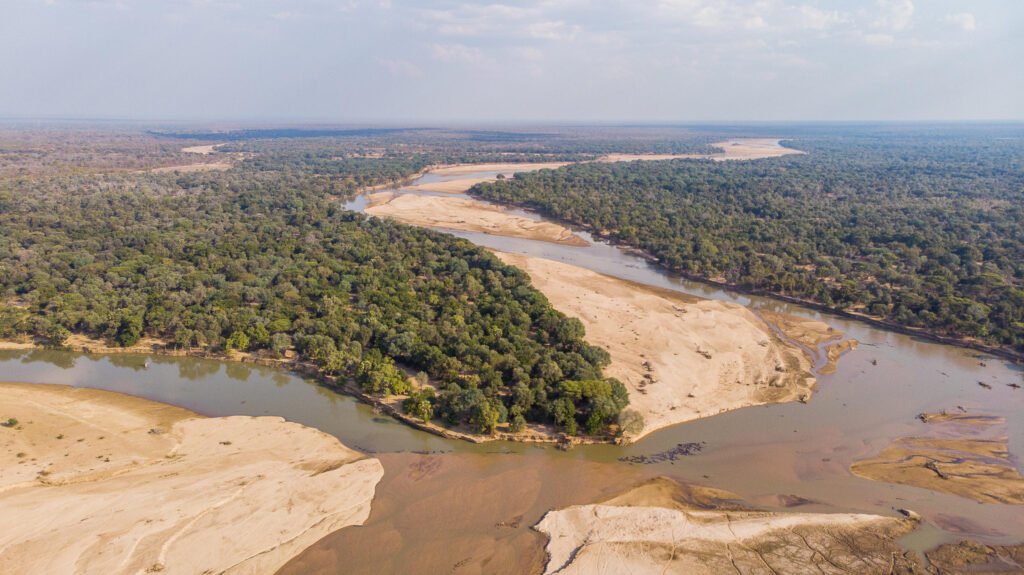
Set at the confluence of the Mwaleshi and Luangwa rivers, Takwela is an intimate wilderness camp offering access to the remote and little-visited North Luangwa National Park.
Image: Remote Africa Safaris
Each animal was fitted with a satellite tracking collar as part of a carefully managed, phased release programme.
The process involves an initial period in acclimatisation enclosures, followed by transfer to a secure 20-square-kilometre sanctuary. Here, conservation teams can monitor the animals as they adjust to their new surroundings before any eventual release into the wider landscape.
The reintroduction follows years of planning and collaboration involving Zambia’s Department of National Parks and Wildlife, the Africa Range-Wide Cheetah Conservation Initiative, the Endangered Wildlife Trust, the Zambian Carnivore Programme, Conservation South Luangwa and the North Luangwa Conservation Programme, among others.
The long-term goal is to establish a healthy, self-sustaining population across the wider Luangwa landscape. The initiative also benefits local communities. The programme includes employment opportunities, ranger training, wildlife monitoring and support for sustainable livelihoods. Eight specially trained Zambian cheetah monitors are among those involved in overseeing the animals’ progress.
Two Countries, One Ambition
Although the approaches differ, both initiatives offer hope of restoring cheetahs to parts of their former range, where these remarkable predators have become increasingly rare or disappeared altogether.
Explore Zimbabwe & Zambia with Explorers Against Extinction
The return of cheetahs is a powerful reminder of why protecting Africa’s wild places matters, not only for wildlife, but for the people whose livelihoods depend on healthy, thriving landscapes.
Responsible wildlife tourism can play an important role in this, generating local employment, supporting conservation initiatives and helping demonstrate the long-term value of protecting natural habitats.
If these stories have inspired you to explore the extraordinary wilderness areas of Zimbabwe or Zambia, discover our carefully selected partners and safari experiences and start planning your own African adventure.
EXPLORE OUR AFRICAN SAFARIS >>
By making your travel enquiry through Explorers Against Extinction, your booking helps support our conservation work through our specialist travel partnerships, at no additional cost to you.