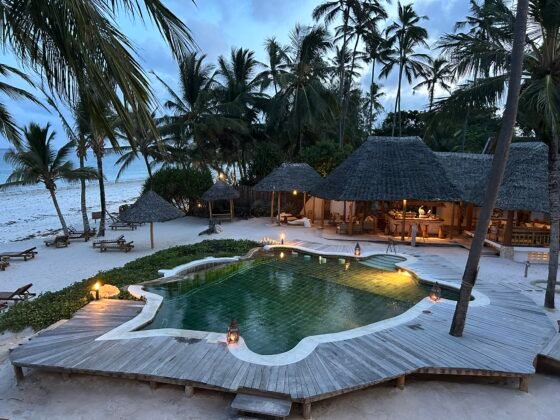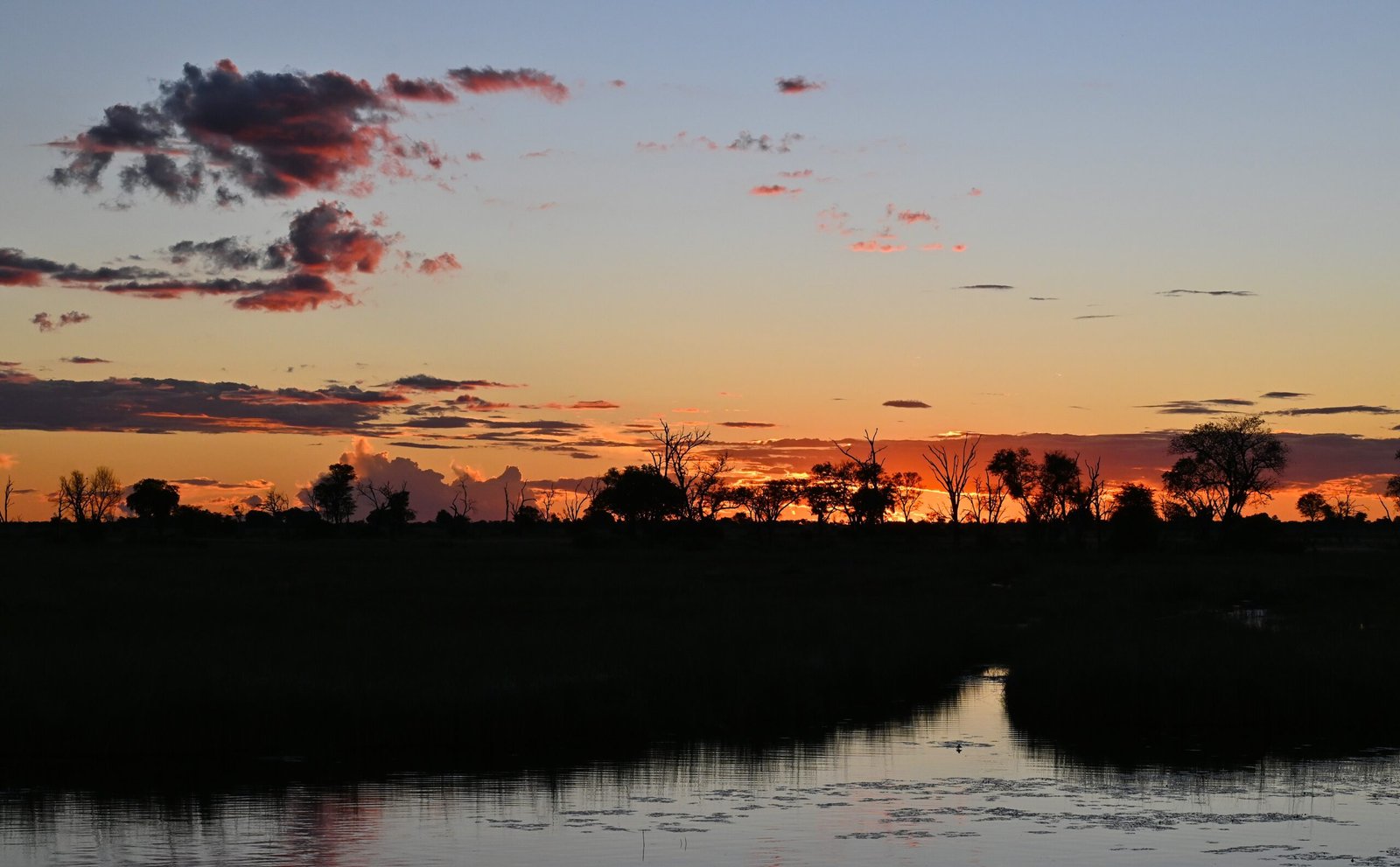
I’ve just returned from Botswana, combining the Kalahari with the Okavango Delta. Travelling at the tail end of the green season, camps were quiet, landscapes lush, and skies wonderfully dramatic.
Wildlife may not be as concentrated as in the dry winter months, when most of our clients visit, but sightings were still excellent. More importantly, it was a timely reminder that Botswana is not a one-season destination.
Few places change as dramatically throughout the year. Water levels rise and fall, wildlife disperses and concentrates, and entire regions shift between accessible and inaccessible depending on when you visit.
Understanding Botswana’s Seasons
Botswana’s safari experience is shaped by two overlapping natural cycles:
- Summer rainfall (November–March) brings local rain, filling pans and dispersing wildlife
- The Okavango flood (May–August) arrives months later, flowing down from the Angolan highlands
This creates a constantly evolving landscape, one where “wet” and “dry” don’t always mean what you might expect.
Adding to this, the Delta sits in a geologically active basin. Subtle tectonic shifts influence how water moves through the system, meaning channels open and close over time.
Chatting with our guide Robbie, who has been guiding for 17 years, it was apparent how much has changed. Areas that were once predominantly water-based, such as around Kanana Camp in the south-west Okavango, now offer a mix of land and water activities due to shifting flood patterns. Increasingly, more water appears to be flowing through the southern channels of the Delta, subtly reshaping the experience.
You don’t need to understand the science in detail, but it helps explain one key point:
no two seasons – or even two years – are ever quite the same.
The Green Season (November–March)
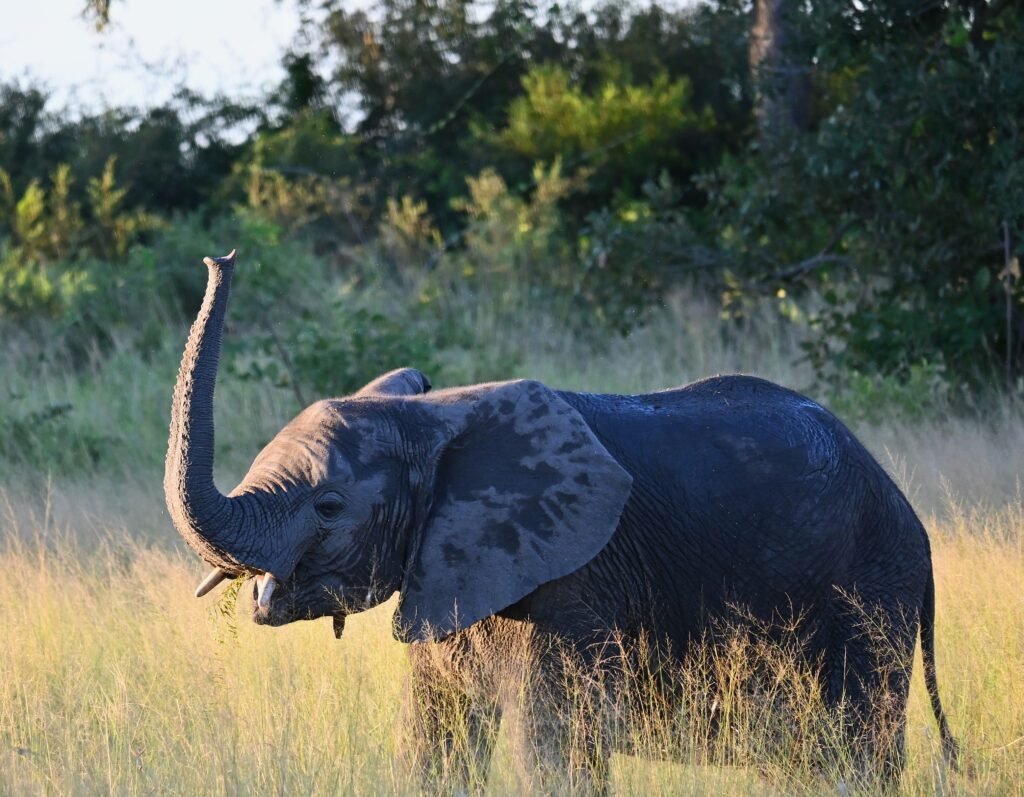
Summer rains transform Botswana into a lush, vibrant landscape.
What it offers:
- Beautiful scenery and dramatic skies
- Excellent birding, including migratory species
- Young animals and breeding behaviour
- Fewer visitors and lower rates
What to be aware of:
- Wildlife disperses widely, making sightings less predictable
- Grass becomes long by February/March, reducing visibility
- Some areas become inaccessible due to rain (e.g. parts of Moremi)
- Mosquitoes and humidity increase
Despite this, it’s still possible to enjoy a full range of activities depending on location. On my March trip, we combined boating, mokoro, walking and driving – though access was limited in some areas (we couldn’t reach the heronry at Kanana, for example).
Flood Season & Early Dry (May–July)
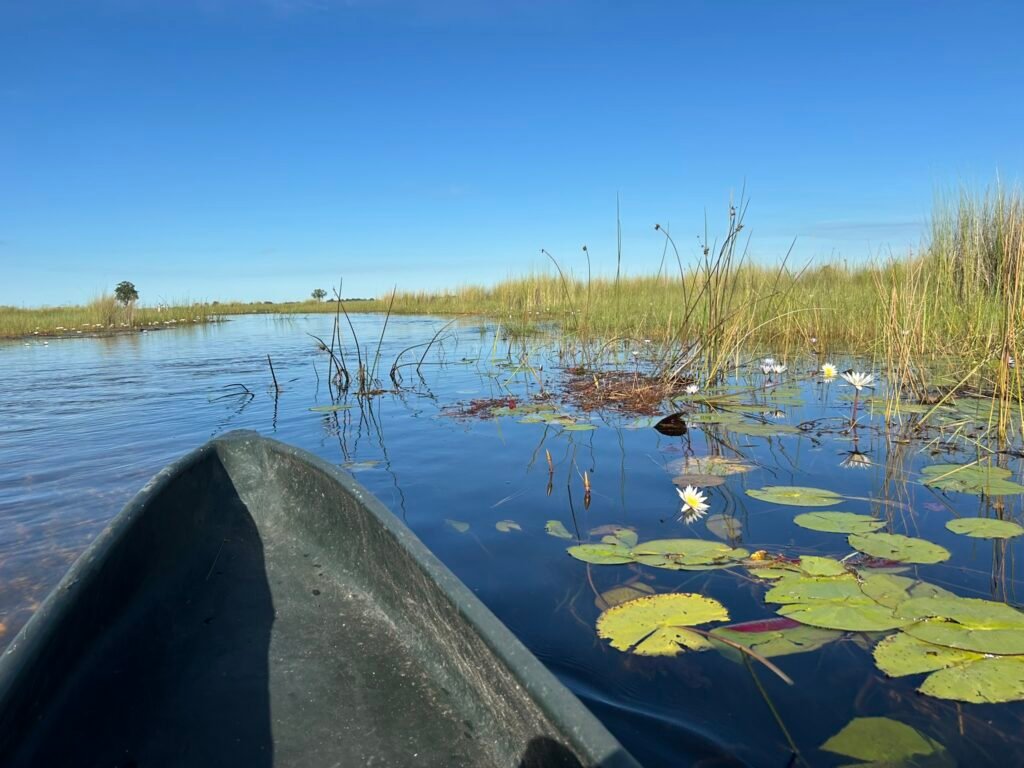
As floodwaters arrive from Angola, the Okavango transforms into a true water wilderness.
What it offers:
- Mokoro and boating experiences widely available
- Access to channels, lagoons and islands
- Cooler, dry winter conditions
- A quieter feel early in the season
What to be aware of:
- Flooding varies significantly by area and year
- Some camps become more water-focused, with fewer game drives
- Cool mornings and evenings
June typically marks the start of peak travel season, as water levels rise and conditions stabilise.
The Late Dry Season (August–October)
This is classic safari season, and for many, the optimum time for wildlife viewing.
As vegetation thins and water becomes more limited, animals concentrate around permanent sources.
What it offers:
- Excellent game viewing
- Easier wildlife sightings
- High densities of elephant, buffalo and predators
- Classic, open safari conditions
What to be aware of:
- Temperatures rise significantly, especially in October
- Landscapes are drying out and less visually dramatic
- Boating may still be available at certain camps with access to deeper, permanent channels, but it becomes more limited as water levels recede.
- This is the busiest time to travel
If wildlife is your priority, this is generally the optimum window.
The Shoulder Months (April & November)
These transitional periods are often overlooked, but can be rewarding.
What they offer:
- Fewer visitors
- Good value
- A blend of seasonal conditions
What to be aware of:
- Greater unpredictability
- April can still have long grass and reduced visibility
- November is often very hot, with water levels at their lowest before the rains arrive
For those with flexibility, these months can offer a compelling balance.
A Note on Pricing
Camp/lodge rates broadly follow these natural patterns but there are exceptions so it is always best to request a quote based on your travel dates:
- Peak season: June–October
- Shoulder season: April–May and November
- Green season: December–March
That said, the best time to travel shouldn’t be dictated by price alone – each season offers a different experience.
A Note on the Kalahari
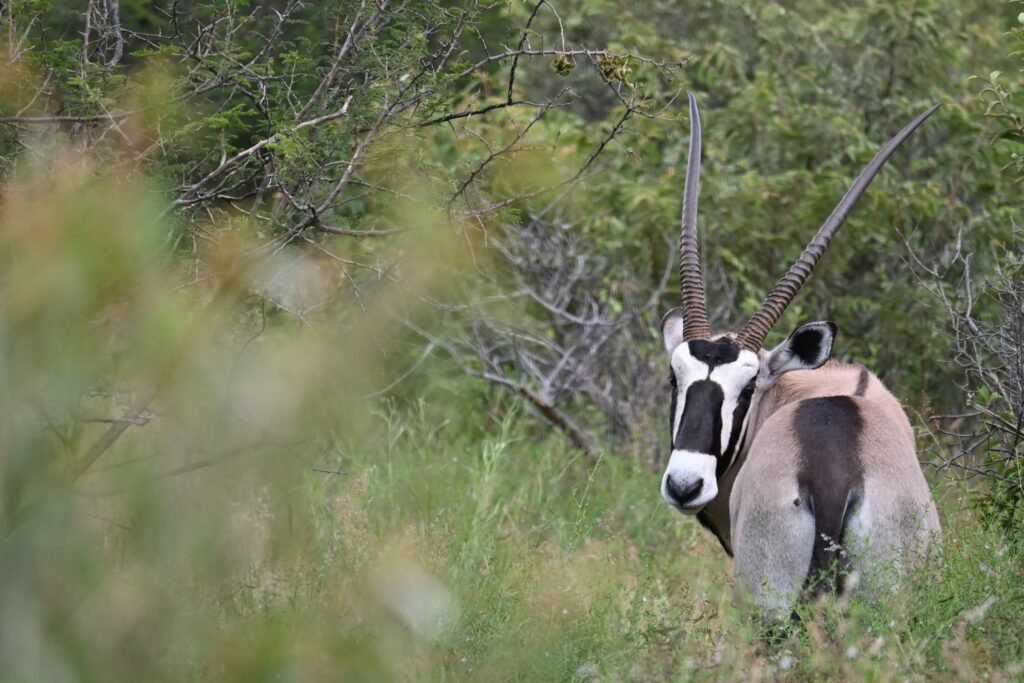
The Kalahari follows a similar rhythm, but with its own character.
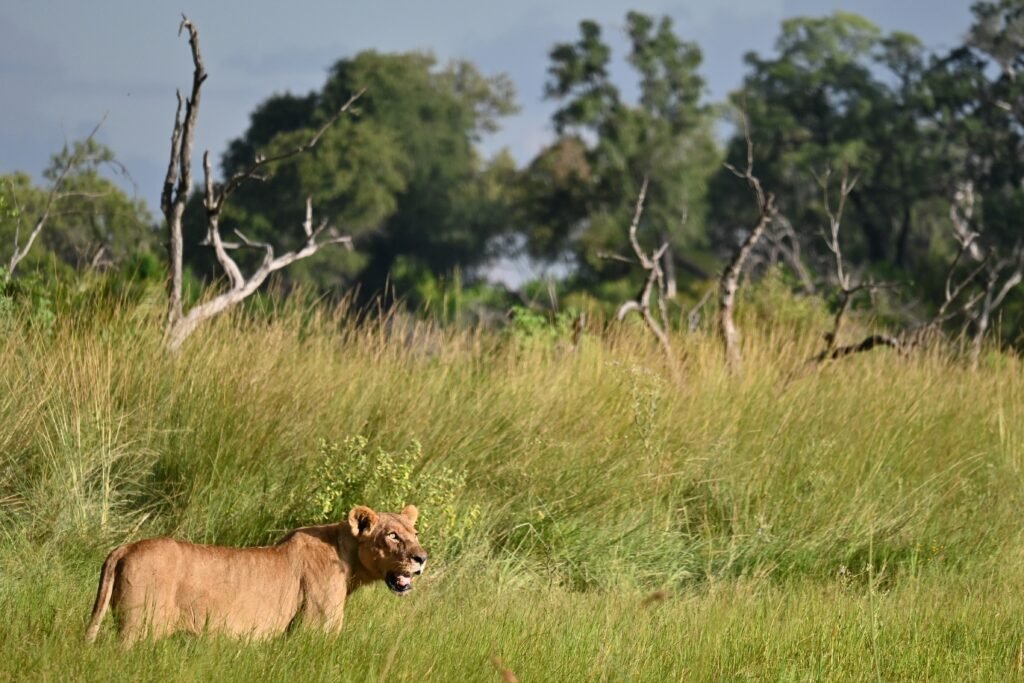
I visited Dinaka, on the northern edge of the Central Kalahari Game Reserve. During the green season, grasses and shrubs flourish, and wildlife disperses widely, making sightings more challenging and often concentrated around open areas and tracks.
In contrast, the dry winter months bring sparser vegetation and greater wildlife concentration around natural and pumped waterholes, improving visibility and consistency of sightings.
Matching the Season to Your Safari
Rather than asking “when is best?”, it’s more useful to consider what you want:
- For prime wildlife viewing: August–October
- For scenery, birding and fewer visitors: November–March
- For water-based experiences: May–July
- For value and balance: April or November
Final Thoughts
Botswana doesn’t have a single “perfect” season.
For most travellers, visiting between May and October will deliver an exceptional safari. But there are compelling reasons to look beyond these months too, particularly if you value space, atmosphere, and a more nuanced experience of the landscape.
In many ways, it’s the changing seasons that make Botswana so special.
Please do get in touch if you are planinng a safari to Botswana. All bookings confirmed through our travel network help to support the work of Explorers Against Extinction at no additional cost to you. You can find out more about Botswana, and see some sample itineraries with guide pricing here.