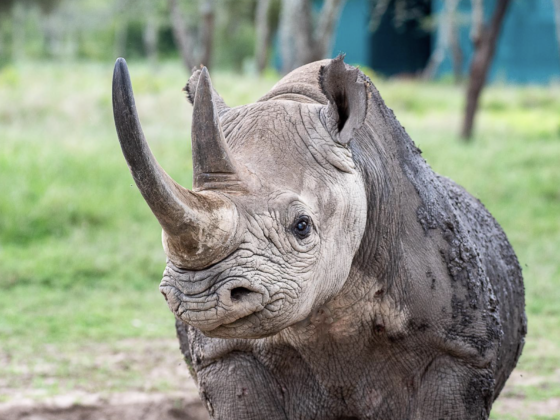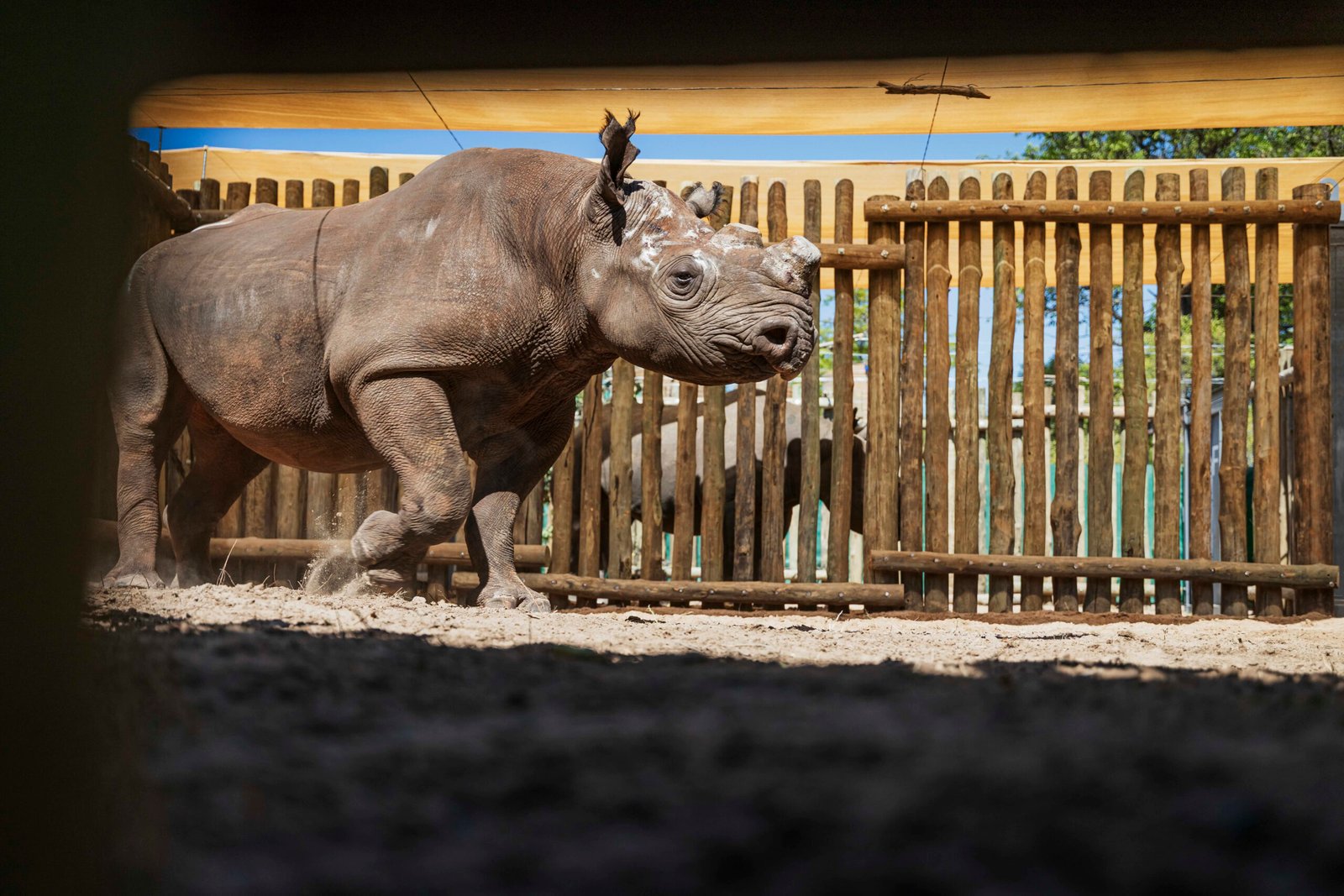
Three decades after black rhinos disappeared from Zimbabwe’s Matusadona National Park, the species is returning to the shores of Lake Kariba in one of southern Africa’s most encouraging wildlife restoration stories.
Once home to both black and white rhino, Matusadona lost its populations during periods of intense poaching pressure and economic instability in the 1990s. Today, through a long-term partnership between African Parks and ZimParks, black rhinos are being carefully reintroduced to the landscape as part of wider efforts to restore the park’s ecosystem and wildlife populations.
The project is being approached cautiously, with rhinos initially held within protected bomas before release into the wider park under intensive monitoring. Ranger training, aerial support, habitat management and anti-poaching operations all form part of the long-term strategy to secure the future of the species in the region.
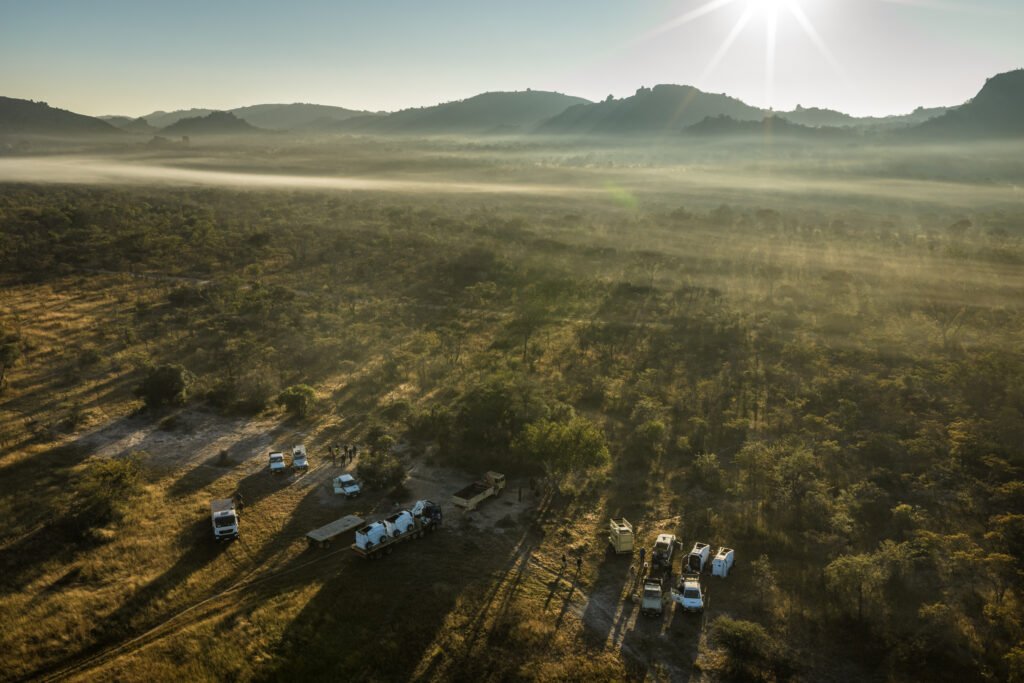
For conservationists involved in the original evacuation of Matusadona’s remaining rhinos decades ago, the return is particularly emotional, representing not simply the recovery of a species, but the gradual restoration of a landscape once considered lost.
For travellers, wildlife viewing here can be more variable than in Zimbabwe’s headline safari destinations such as Hwange or Mana Pools, and black rhinos are unlikely to become a commonly seen species anytime soon.
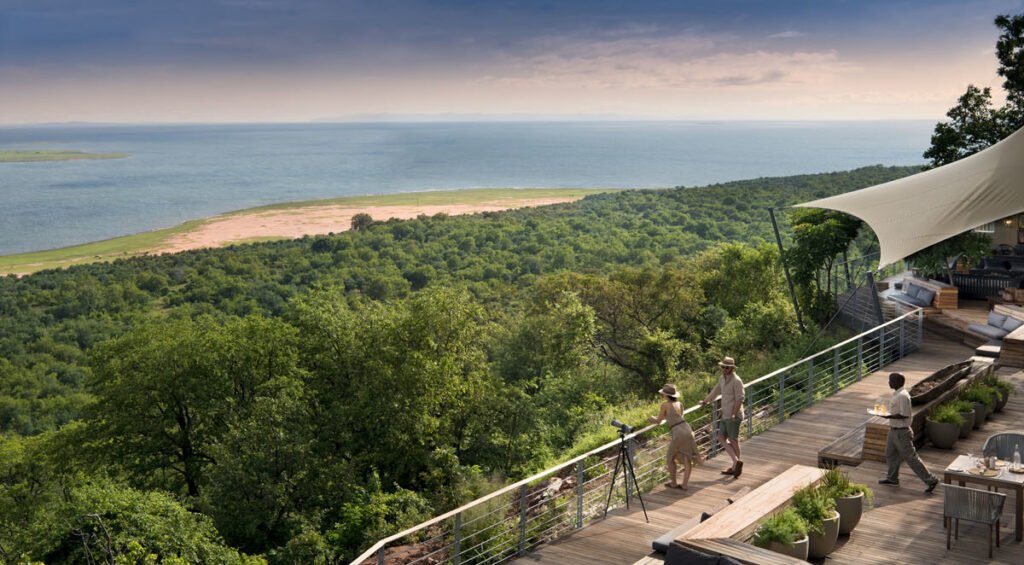
Instead, the park’s appeal lies in its atmosphere, scenery and sense of wilderness. Stretching along the southern shores of Lake Kariba, Matusadona offers spectacular sunsets, exceptional birdlife, good walking safaris and boating opportunities against a backdrop of drowned forests, escarpment landscapes and vast open water. It is a place to slow down and immerse yourself in the rhythms of the bush rather than chase a checklist of sightings.
Most visitors access the region by light aircraft from Harare or Victoria Falls, often combining a stay in Matusadona with Hwange, Mana Pools or the Falls themselves. Camps such as Bumi Hills and Musango provide a comfortable base from which to explore the lake and surrounding wilderness.
The return of black rhino adds another layer to the story of Matusadona’s recovery – a reminder that conservation success is rarely instant, but that damaged landscapes can, with patience and protection, begin to heal.
To find out more about safaris to Zimbabwe please click here.
Images: Matusadona Black Rhino Translocation – black rhino in boma © Wiki West