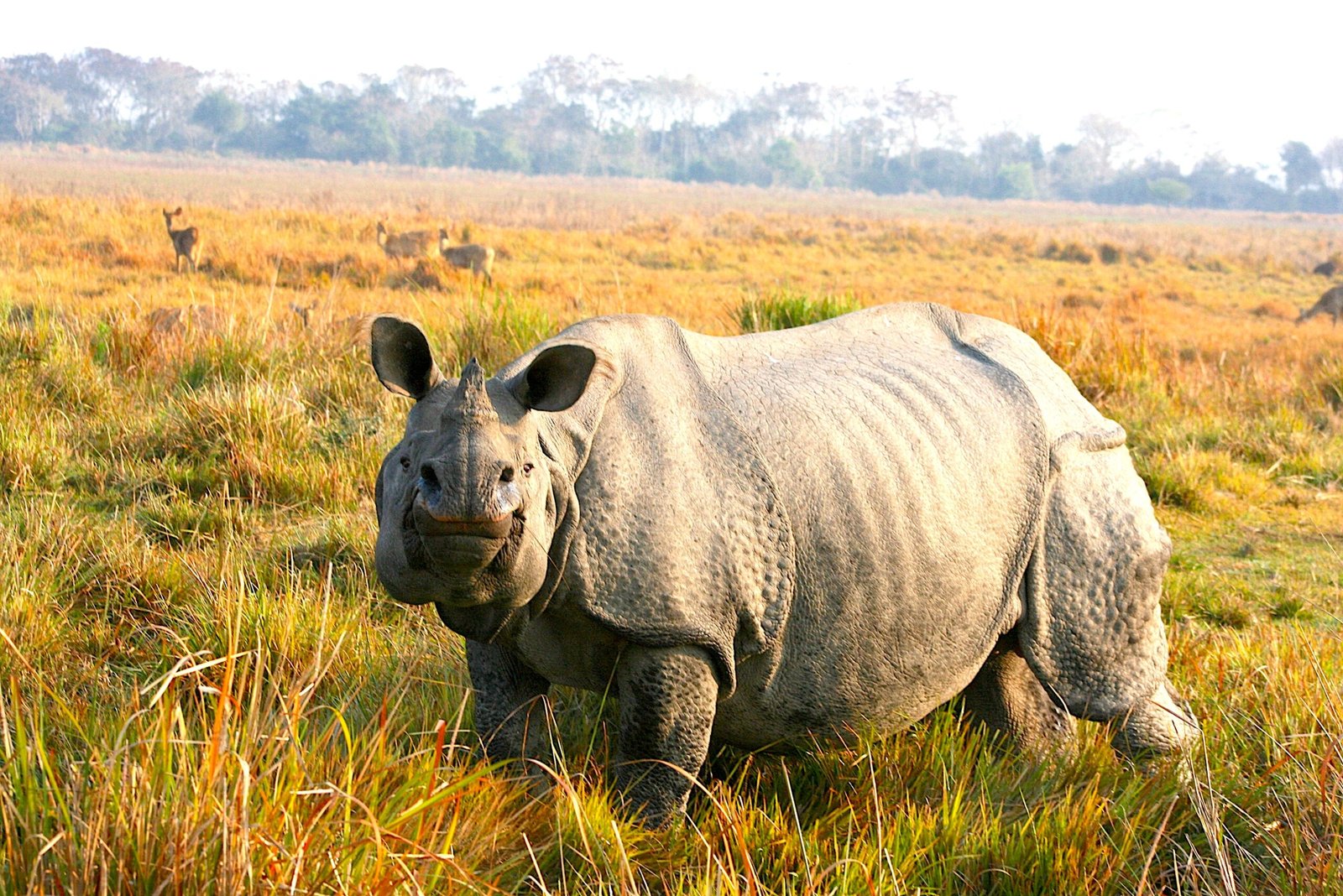
Kaziranga National Park in Assam is often defined by a single statistic – home to around two-thirds of the world’s remaining greater one-horned rhinos. Yet this extraordinary landscape is about far more than rhinos alone.
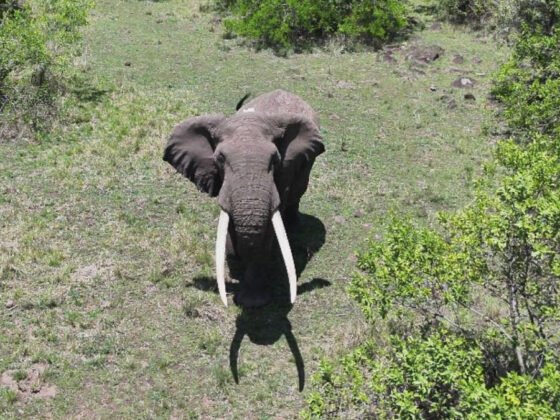
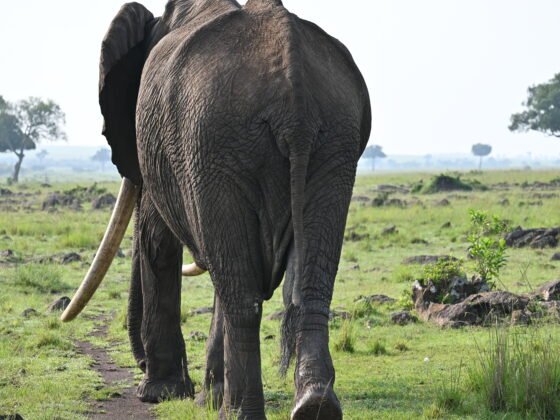
Stretching across the floodplains of the mighty Brahmaputra River in north-east India, Kaziranga is one of Asia’s great conservation success stories. Alongside its recovering rhino population, the park supports healthy populations of wild buffalo, swamp deer and Asian elephants, while its wetlands and grasslands provide habitat for an extraordinary diversity of birdlife. Tigers are also present in impressive numbers, although sightings remain elusive within the dense elephant grass and riverine habitat that defines the park.
Unlike many of India’s better-known central tiger reserves, Kaziranga feels wilder, wetter and less predictable. Vast grasslands, oxbow lakes and braided river channels create a landscape more reminiscent of parts of Africa than the dry teak forests many travellers associate with Indian safaris. Seasonal flooding, while dramatic, remains central to the health of the ecosystem, replenishing soils, sustaining wetlands and shaping the rhythms of life across the park.
For travellers, Kaziranga is less about chasing tiger sightings and more about immersing yourself in one of Asia’s last great floodplain wildernesses. The park is particularly rewarding for birders, photographers and those seeking a quieter safari experience, with misty mornings, waterbirds rising from the marshes and rhinos emerging ghost-like from towering grasslands.
The park is typically open from October through to May, with each part of the season offering a slightly different experience. The cooler months between November and February are particularly rewarding for birdlife and comfortable safari conditions, while March and April often provide improved visibility for larger mammals after sections of elephant grass have been burned back. During the monsoon months, Kaziranga closes as annual flooding reshapes and replenishes this remarkable floodplain ecosystem.
Kaziranga also works well as part of a broader north-east India itinerary, combining wildlife with Assamese culture, tea country and slower-paced travel experiences. Lodges such as Diphlu River Lodge provide a peaceful base close to the park, allowing visitors to enjoy the atmosphere of the region beyond the safari drives themselves.
As pressure on wild landscapes continues to grow across Asia, Kaziranga remains an important reminder that long-term conservation investment, responsible wildlife travel, habitat protection and coexistence can allow wildlife populations not simply to survive, but to recover.