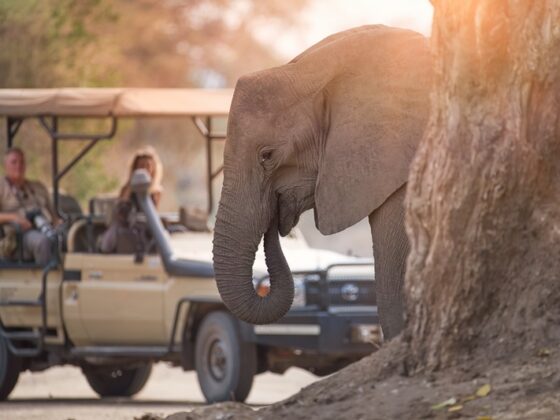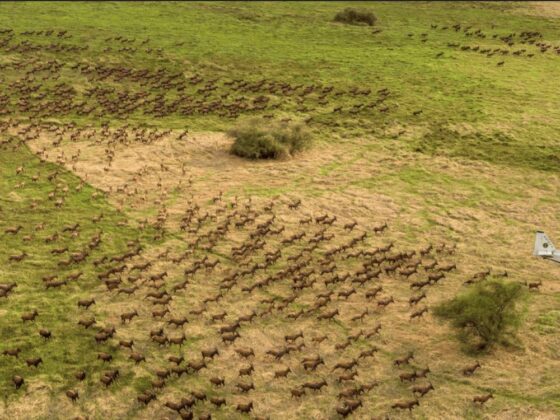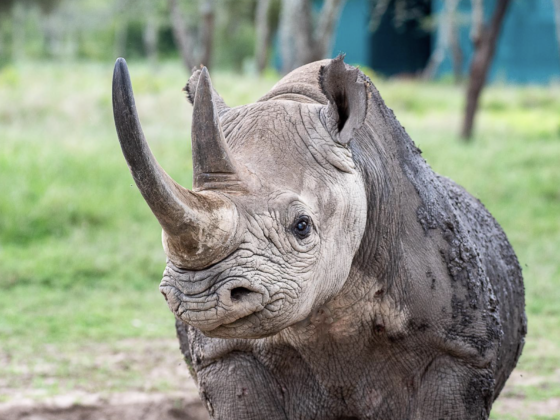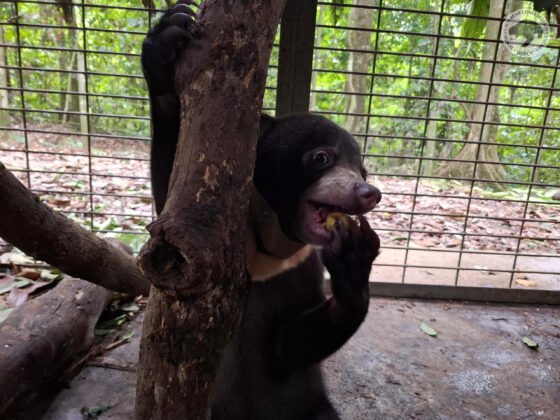
In this article, we’re focusing on the remarkable intersection of technology and conservation. Here are some groundbreaking technologies revolutionising the way we protect our planet’s biodiversity:
1. Drones for Wildlife Monitoring
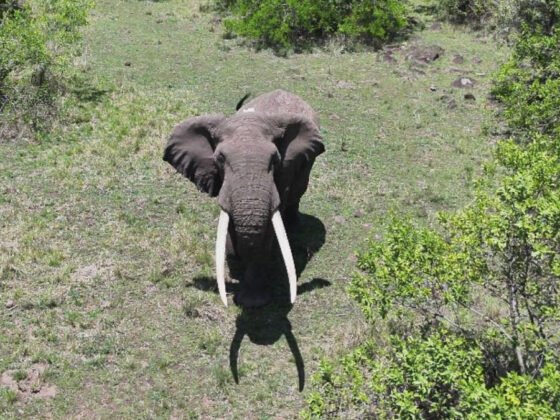
Drones are transforming wildlife monitoring by providing a bird’s-eye view of habitats and animal populations. These unmanned aerial vehicles can cover large areas quickly and capture high-resolution images and videos, helping researchers monitor species without disturbing them. They are particularly useful in tracking elusive or endangered animals and assessing habitat health.
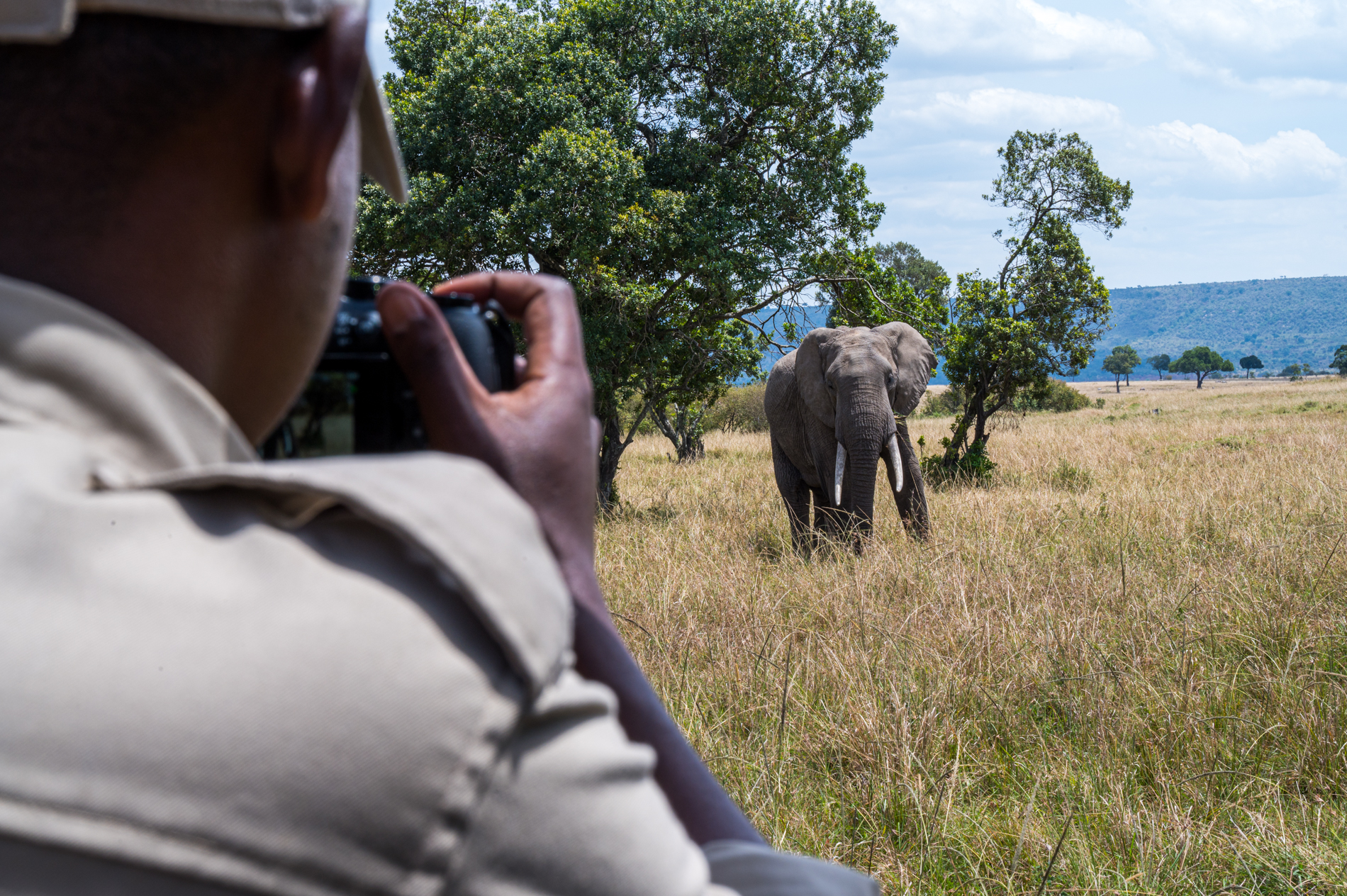
Drones are also used to mitigate human-wildlife conflict. In Kenya’s Masai Mara, drones can help to to move elephants away from community farms. This reduces the risk of crop damage and enhances both elephant and community safety.
2. Artificial Intelligence (AI) in Poaching Prevention
AI-powered systems are being used to combat poaching. By analyzing data from camera traps, sensors, and drones, AI can identify suspicious activities and predict poaching hotspots. This allows conservationists to deploy anti-poaching units more effectively, increasing the chances of intercepting poachers before they can harm wildlife.
3. Satellite Imagery for Habitat Mapping
Satellites provide valuable data for mapping and monitoring habitats. High-resolution satellite images help conservationists track changes in land use, deforestation, and habitat fragmentation. This information is crucial for developing effective conservation strategies and policies to protect vulnerable ecosystems.
Image: MEP
4. Genetic Analysis for Species Identification
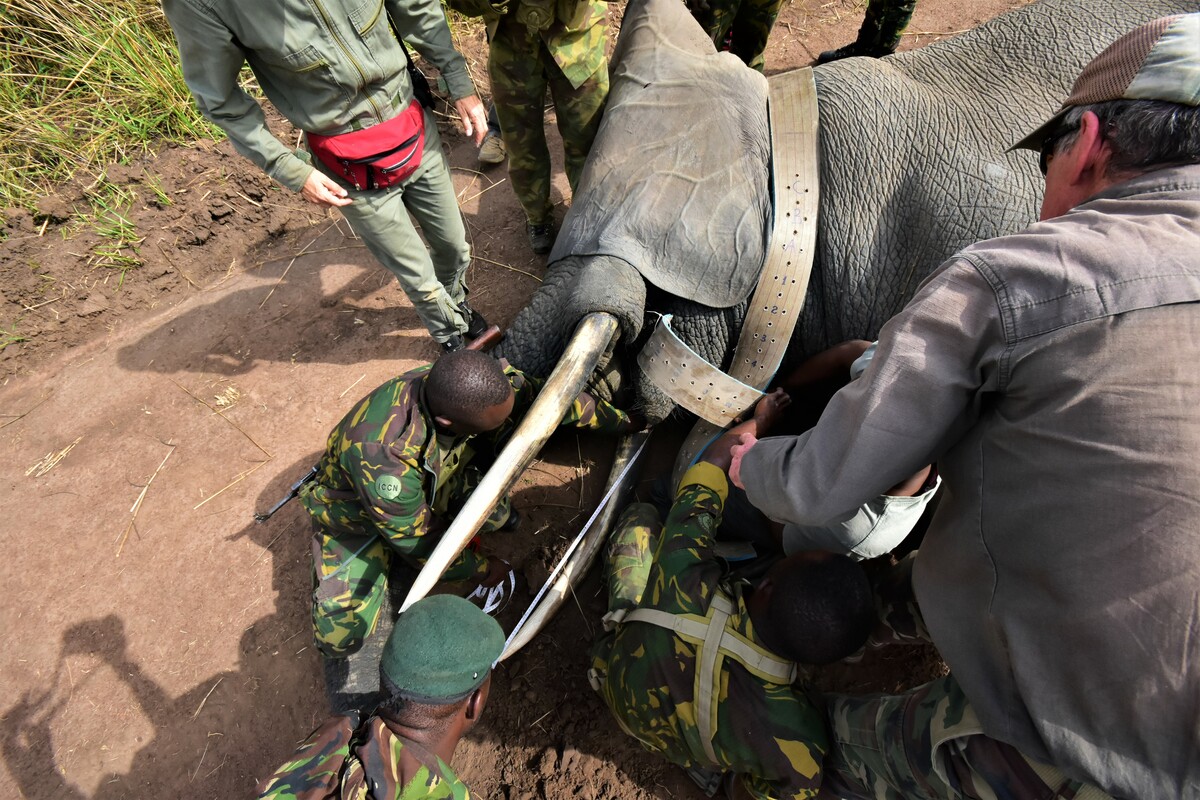
Advancements in genetic analysis are aiding in the identification and protection of species. DNA barcoding and genomic sequencing allow scientists to identify species from small tissue samples, such as fur or feathers. This is particularly useful for studying endangered species and understanding their genetic diversity, which is vital for their conservation.
We fundraised to support specific genomic reference work in Garamba and Chinko National Parks – a project partnership with African Parks and Stanford University.
5. Blockchain for Sustainable Supply Chains
Blockchain technology is being used to ensure transparency and sustainability in supply chains. By providing a secure and immutable record of transactions, blockchain can trace the journey of products from source to consumer. This is particularly beneficial for industries like seafood and timber, where illegal and unsustainable practices are prevalent.
6. Acoustic Monitoring for Ecosystem Health
Acoustic monitoring uses sound recording devices to monitor wildlife and ecosystem health. By analyzing sounds from rainforests, oceans, and other habitats, researchers can assess the presence and abundance of species, track migrations, and detect environmental changes. This non-invasive method provides valuable data for conservation efforts.
In Dzanga Sangha in the Central African Republic we supported monitoring of forest elephants. The Elephant Listening Project based in Dzanga Sangha has discovered an ‘elephant language’ as well as a wealth of information about the forest. Teams are in the process of identifying all the vocalisations.
Image: African Parks – genomic reference work and elephant monitoring in Garamba
7. Citizen Science and Mobile Apps
Mobile apps and citizen science platforms are engaging the public in conservation efforts. Apps like iNaturalist and eBird allow users to record and share wildlife observations, contributing to large datasets used by scientists to track species distributions and trends. This democratisation of data collection empowers individuals to contribute to conservation science.
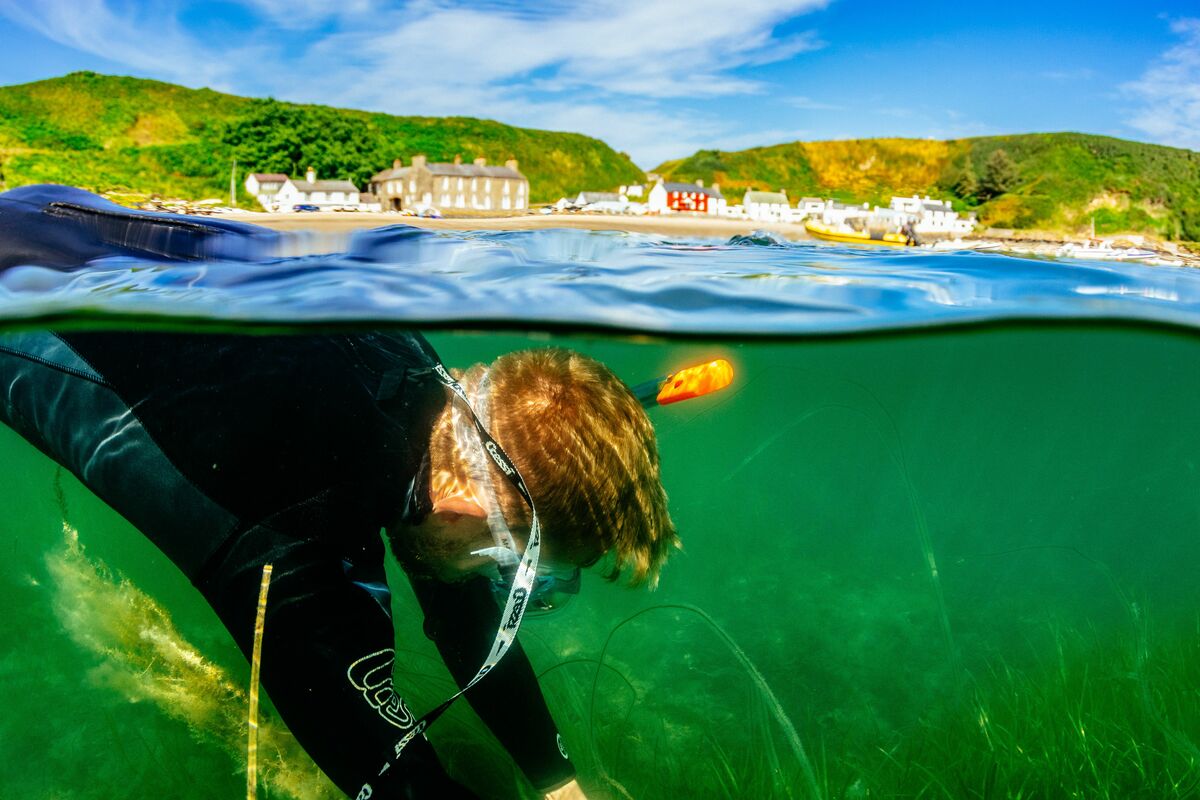
Project Seagrass, who we partnered with in 2021 uses citizen science extensively. SeagrassSpotter and Seagrass-Watch involve volunteers from around the world in monitoring seagrass meadows. Citizen scientists contribute by recording sightings, taking photos, and documenting the health and extent of seagrass beds. This collective effort helps gather valuable data, enhances scientific research, and supports conservation measures globally.
8. 3D Printing for Habitat Restoration
3D printing is being used to create structures that support habitat restoration. For example, 3D-printed coral reefs provide a scaffold for coral larvae to attach and grow, helping to restore damaged reef ecosystems. Similarly, 3D-printed nest boxes and shelters can support the recovery of endangered species.
Get Involved
These technologies demonstrate the innovative approaches being employed to protect our planet’s biodiversity. By staying informed and supporting these initiatives, we can all play a part in conserving our natural world.
Image credits: banner image – MEP/Chags Photo (Elephant Book); Project Seagrass