There are certain camps in Africa that feel quietly confident in what they offer. No unnecessary fanfare, no overstatement, just a deep understanding of place, wildlife, and what makes a safari truly meaningful. Kicheche Mara Camp, tucked into the Mara North Conservancy in Kenya, is one of those rare places, where exceptional wildlife viewing, conservation and community impact go hand in hand.
We stayed for three nights in late February 2026, flying in and out with Safarilink to Mara North airstrip, a journey that, in itself, sets the tone for what follows.
Arrival – A Flight Worth Taking
The flight from Nairobi is one of those small but unforgettable travel moments. Safarilink’s light aircraft weaves its way westward, rising over the escarpment and out across the Great Rift Valley. The landscape shifts beneath you, from cultivated farmland to vast, open wilderness before the plains of the Maasai Mara and its surrounding conservancies comes into view.
Flying low enough to appreciate the detail, yet high enough to take in the scale, you begin to understand just how vast and interconnected this ecosystem is. By the time you touch down on the Mara North airstrip, the transition from city to wilderness feels complete.
Transfers from the airstrip are short, but already rich with wildlife. Within minutes, you’re in safari mode.
The Setting – Where Conservation Works
Kicheche Mara Camp sits within the Mara North Conservancy, one of the most successful community conservancies in East Africa. This is not just a place of wildlife abundance, it’s a working conservation model.
Land here is leased from Maasai landowners, providing a direct and sustainable income that incentivises conservation over alternative land uses. Tourism is carefully controlled, with strict limits on vehicle numbers and camp density, ensuring both a high-quality guest experience and minimal environmental impact.
The result is a landscape that feels protected, respected, and alive.
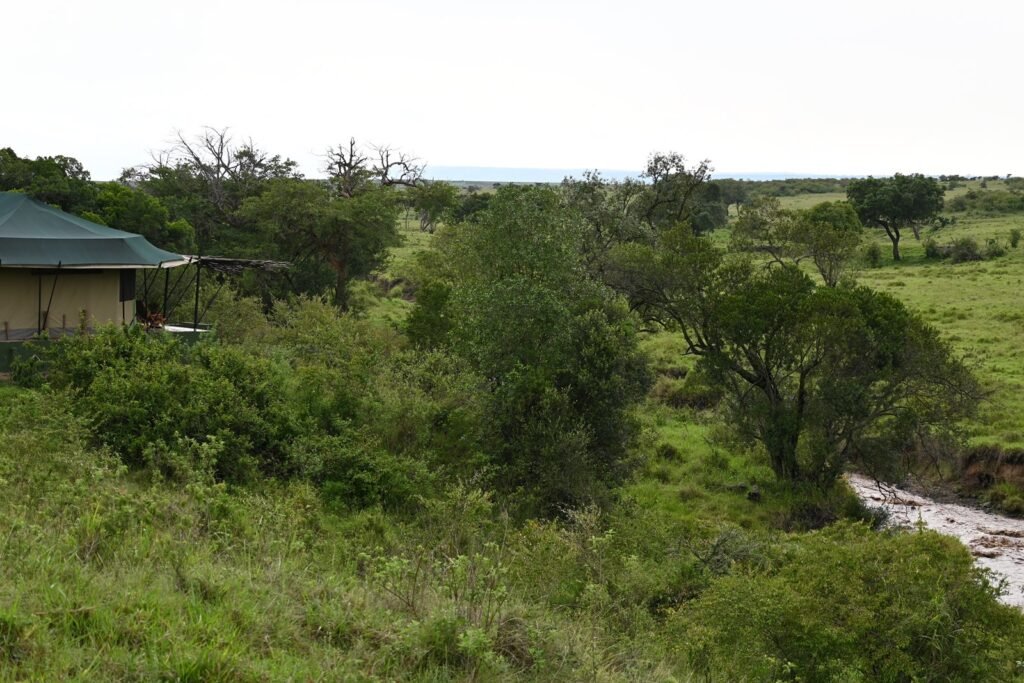
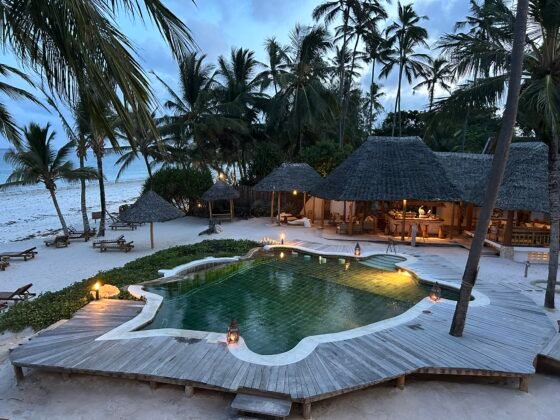
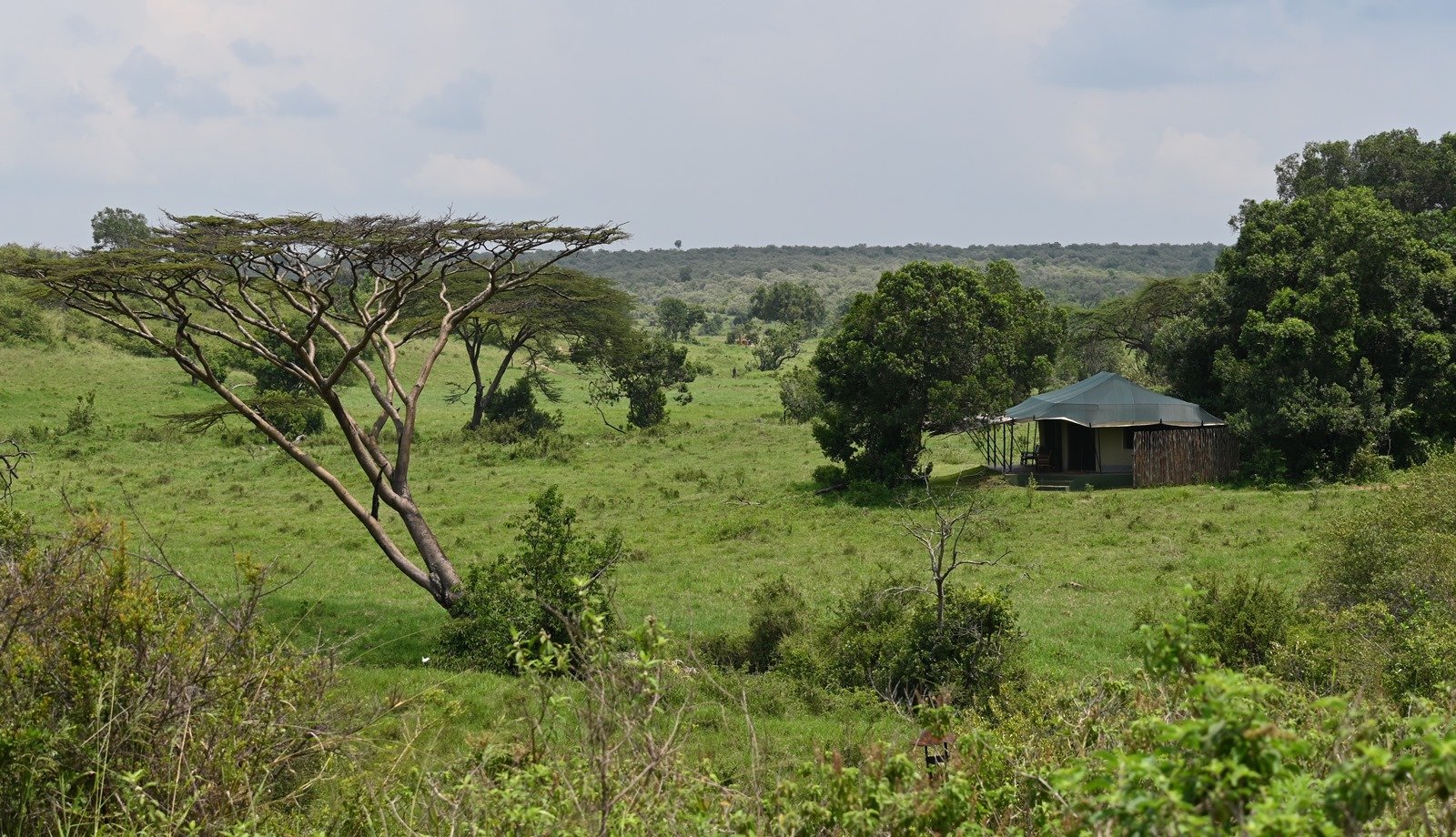
The camp itself reflects this ethos. Small, low-impact, and thoughtfully positioned, it blends into the surrounding woodland rather than imposing upon it, looking out over a small, meandering river with grasslands and hills beyond. There is a sense throughout that this is a camp designed to coexist with its environment, not dominate it.
A Visit to Mara Elephant Project – Conservation in Action
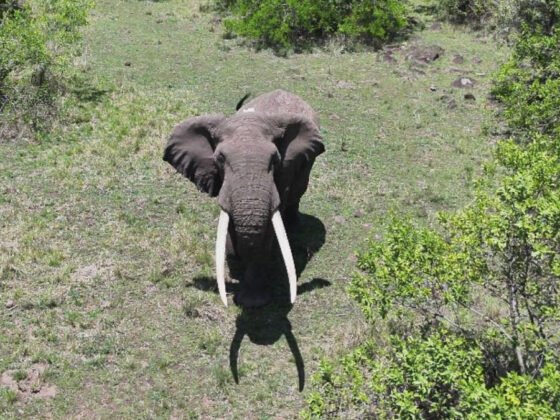
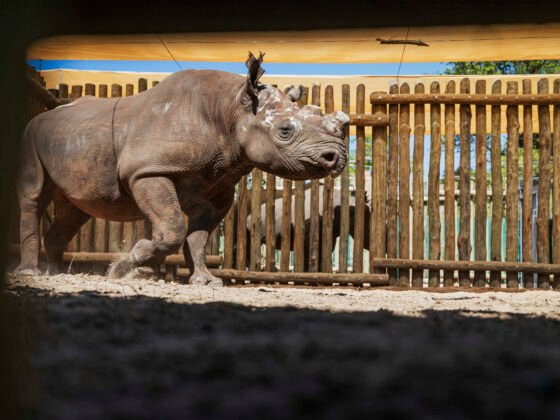
Shortly after landing, we visited the headquarters of the Mara Elephant Project, an initiative working to reduce human-elephant conflict in the region. Three years ago, we had provided initial funding for an experimental farm project, so it was particularly rewarding to see its progress firsthand.
Meeting the team on the ground, those doing the day-to-day work is always one of the most important and inspiring parts of any trip. It brings a level of context and connection that goes far beyond what can be understood from reports or updates alone.
The experimental farm has been a real success. The project has identified crops that elephants tend to avoid, plants that are unpalatable or resilient to damage yet still viable for local communities to grow and sell. By shifting agricultural practices in this way, the project helps reduce crop raiding, one of the primary sources of conflict between people and elephants.
It’s a simple but effective solution: protect livelihoods while reducing pressure on wildlife. And it’s exactly the kind of practical, community-led conservation that delivers lasting impact.
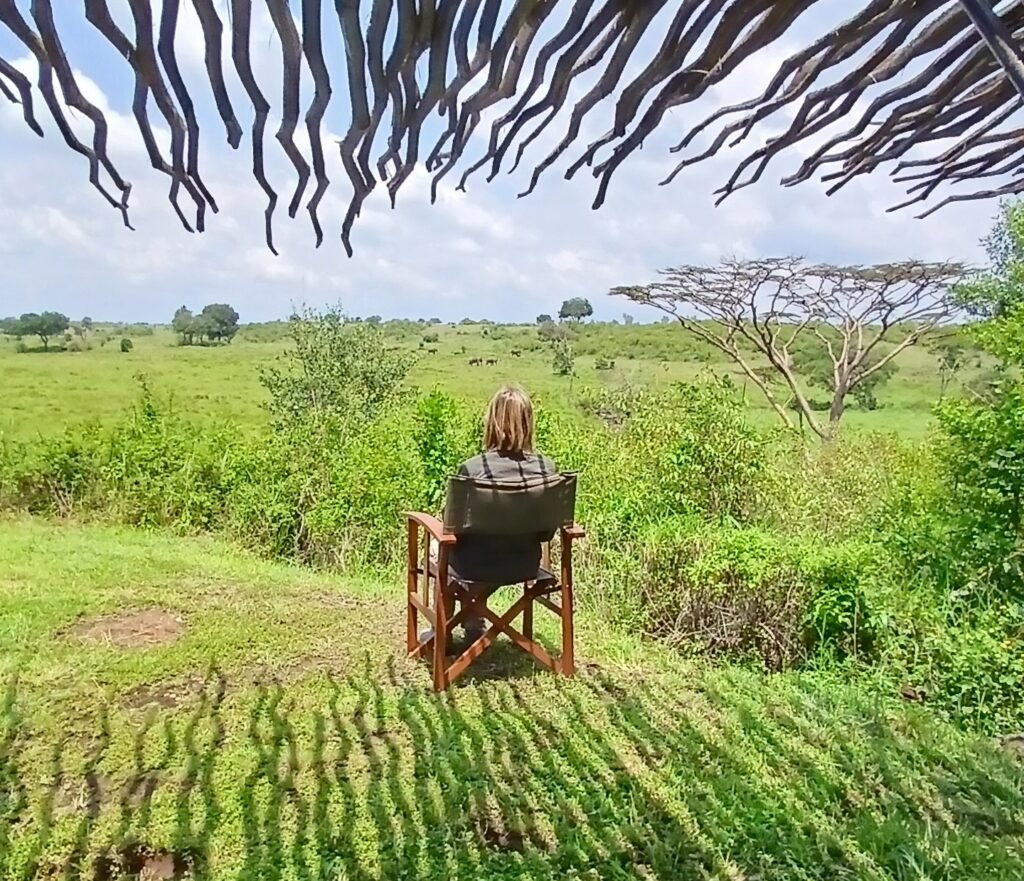
The Tents – Classic Safari Comfort
The tents at Kicheche are spacious and well-appointed, striking that ideal middle ground between classic safari simplicity and modern comfort. Proper beds, en-suite bathrooms with hot running water, and enough space to relax without ever feeling removed from the environment outside.
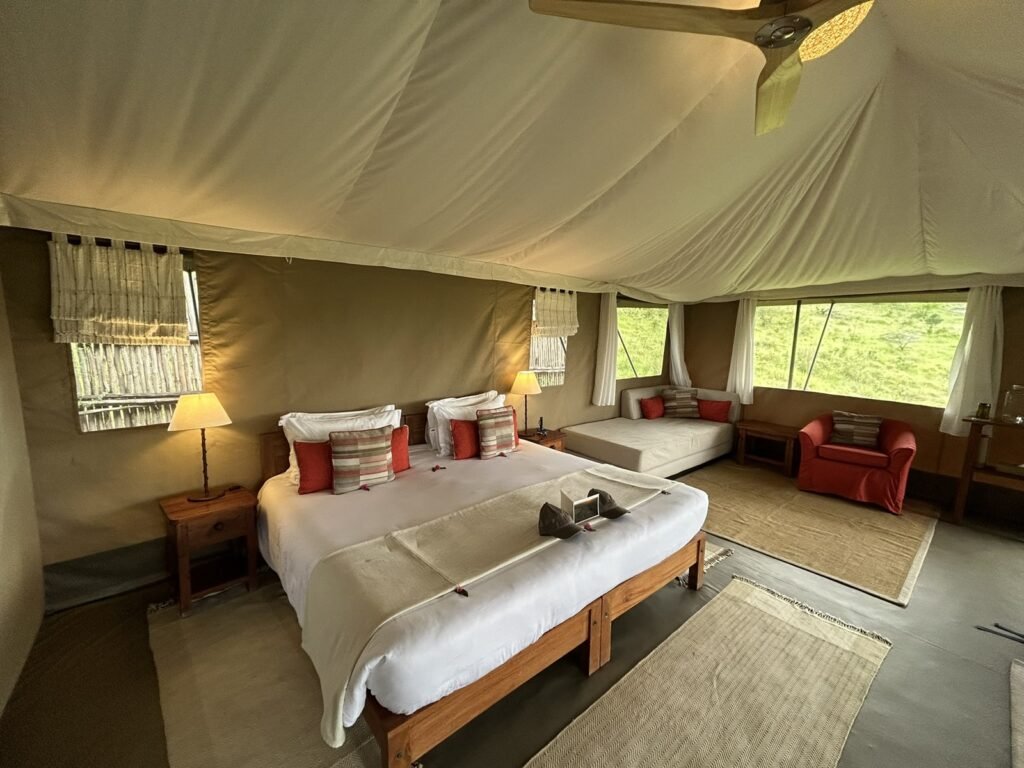
At night, the bush comes alive around you. Hippos grunt in the distance, buffalo move through camp, and on more than one occasion we could hear them brushing against the canvas, stopping to scratch themselves on the tent supports. It’s a reminder that you are very much a guest in their world. There’s something deeply reassuring about that.
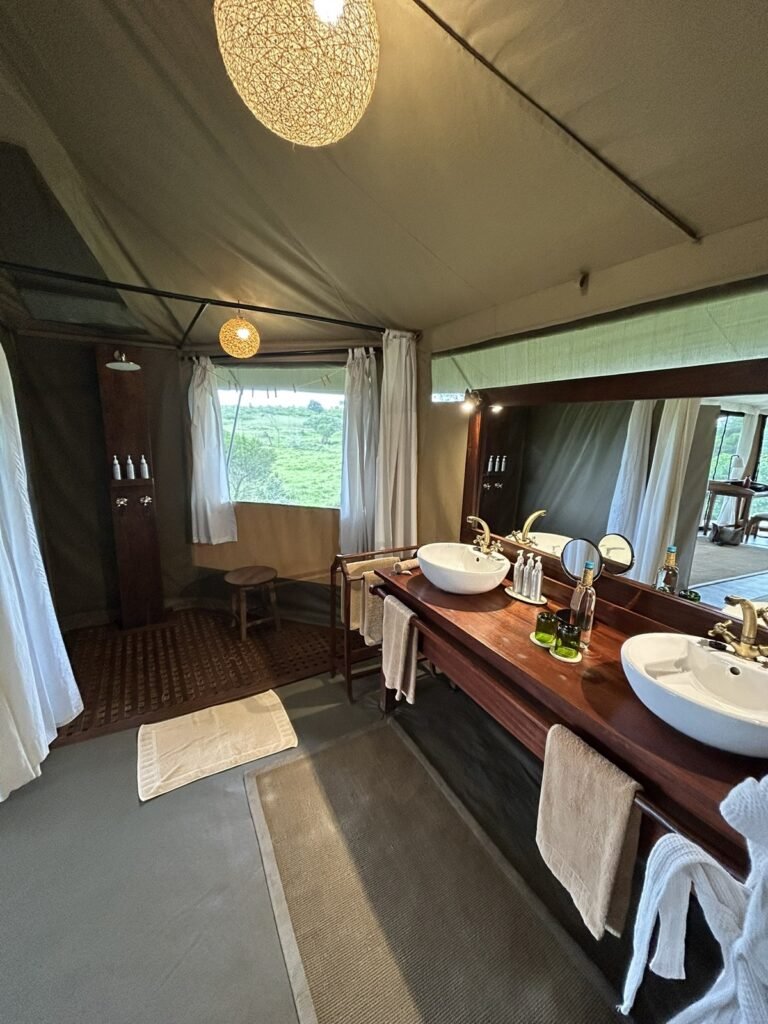
The Wildlife – Intimate and Unscripted
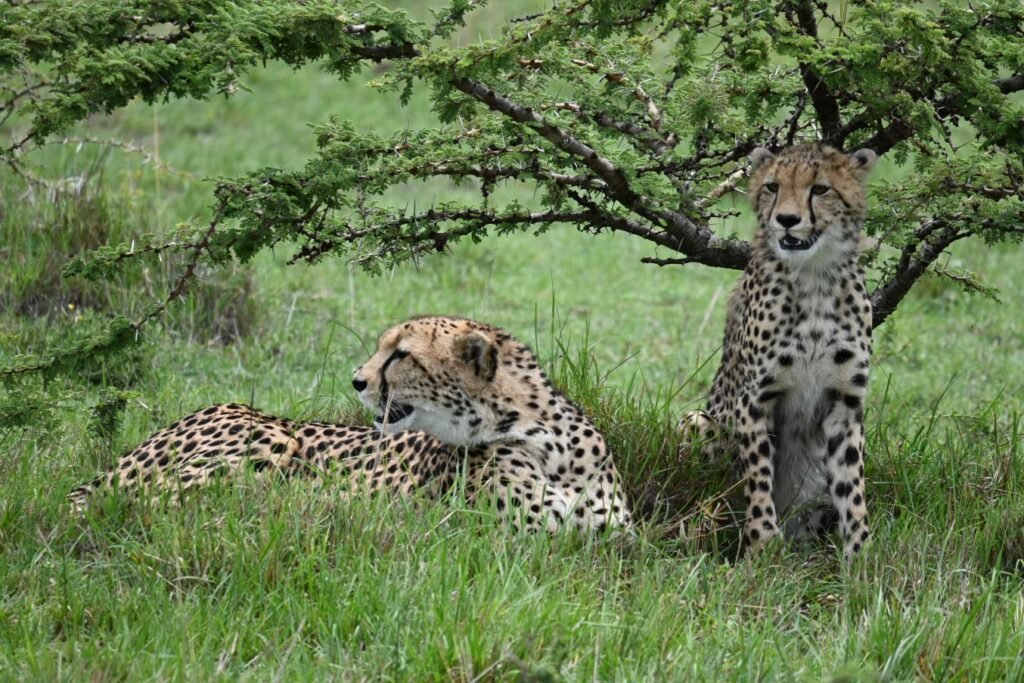
Game viewing in the Mara North Conservancy is consistently excellent, and during our stay it was nothing short of exceptional.
Late February sits in that sweet spot, outside of the migration crowds, but with resident wildlife thriving. The grass is still relatively short, visibility is good, and predator activity is high.
One morning, we came across an entire pride of lions moving together through the grasslands. It’s a rare and special sight, multiple adults, cub in tow, all walking with purpose. At one point, a black-backed jackal lingered nearby, opportunistic and watchful, creating a fascinating interaction between species.
At Leopard Gorge, we spent time with a female lion and her three cubs, a privilege in itself. Watching the cubs at play, climbing, tumbling, and testing boundaries under the watchful eye of their mother, is the kind of experience that stays with you long after the safari ends.
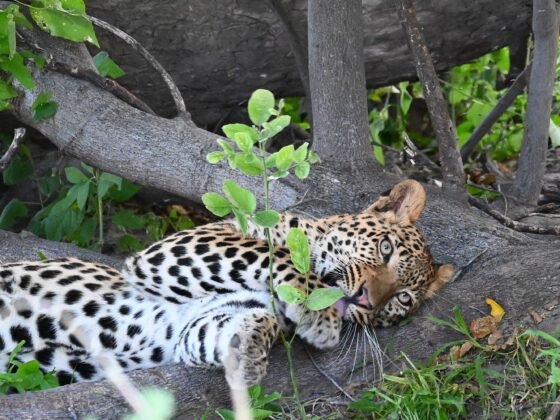
And then there are the moments you don’t expect. A young leopard walking directly past our vehicle, pausing briefly to look at us before disappearing into the bush.
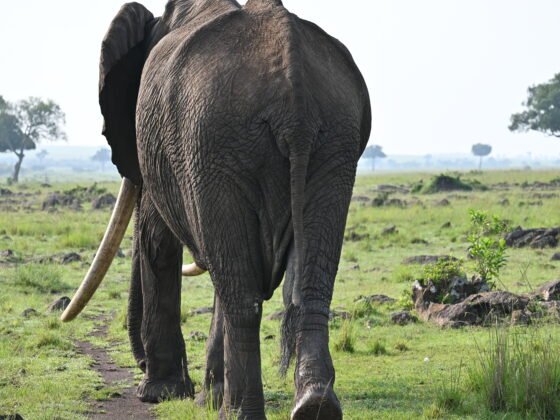
A family of elephants approaching calmly, the younger members edging closer out of curiosity. One stopped just metres away, stretching its trunk towards us, sniffing the air as if trying to make sense of this strange, silent presence.
These are not staged encounters. They happen because of the respect between guides, wildlife, and environment.
The Game Drives – Led by Nature
One of the real strengths of Kicheche is the flexibility of the safari experience. There’s no rigid schedule imposed on guests. Instead, the day unfolds according to wildlife activity and your own preferences.
We often chose to take breakfast with us, allowing for extended morning drives without the need to return to camp. There’s something particularly special about stopping in the bush, coffee in hand, as the day begins to warm and the wildlife shifts from early morning activity into the slower rhythm of midday.
Afternoons were warm but comfortable, while mornings were distinctly cool with jackets and layers essential at first light. This contrast adds to the rhythm of the day and enhances the sense of being immersed in a living, breathing landscape.
At sunset we always stopped for sundowners, a chance to watch the sunset in the total peace of the moment. No engine noise, just the calls of distant birds and animals preparing for the challenge of the night ahead. A gin and tonic in hand, delicious nibbles (or “bitings” as they are known at Kicheche) and the sound and smells of Africa. It’s these moments that make travel special.
The guiding is excellent. Knowledgeable, patient, and clearly passionate. There’s a strong emphasis on understanding behaviour, tracking movement, and interpreting the landscape, key elements of a truly responsible safari.
The Conservancy Advantage
Staying in Mara North Conservancy brings clear conservation and experiential benefits. Vehicle numbers are limited, reducing pressure on wildlife and allowing for more natural behaviour. Sightings feel intimate, unhurried, and respectful.
Off-road driving is permitted under controlled conditions, enabling better positioning without unnecessary disturbance. Night drives are also possible, offering insight into a different side of the ecosystem.
It’s a model that works, for wildlife, for communities, and for travellers seeking something more meaningful than a standard safari experience.
Life in Camp – Simple, Thoughtful, Personal
Back in camp, the atmosphere is relaxed and welcoming. With only a small number of guests, there’s a natural sense of connection without ever feeling intrusive.
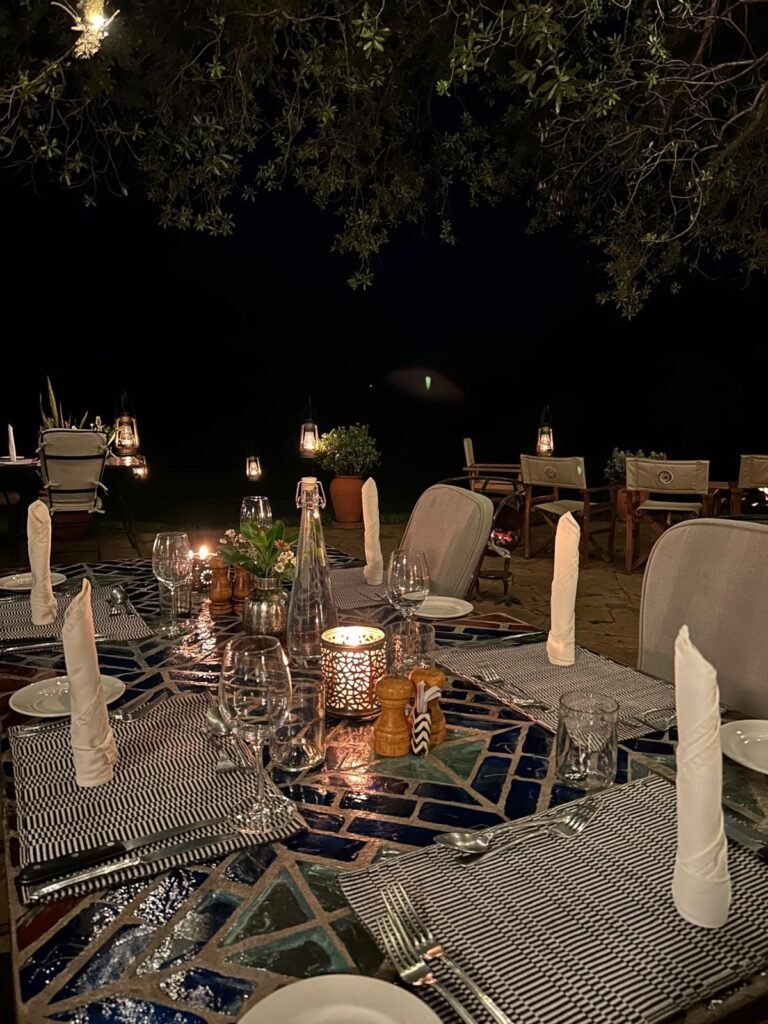
Meals are fresh, varied, and well-prepared, many ingredients grown in the large kitchen garden that stands surrounded by tall fences to protect it from the attention of hungry monkeys. They are taken either outside on the terrace or in the beautifully appointed dining area. Service is pitched perfectly, attentive and thoughtful without being overbearing. Stories and local proverbs from our waiters, coming from the local villages, added to the joy of mealtimes.
Evenings are spent around the campfire, sharing stories of the day as the sounds of the bush settle in around you, or in the lounge areas with their wood burners and deep, comfortable sofas.
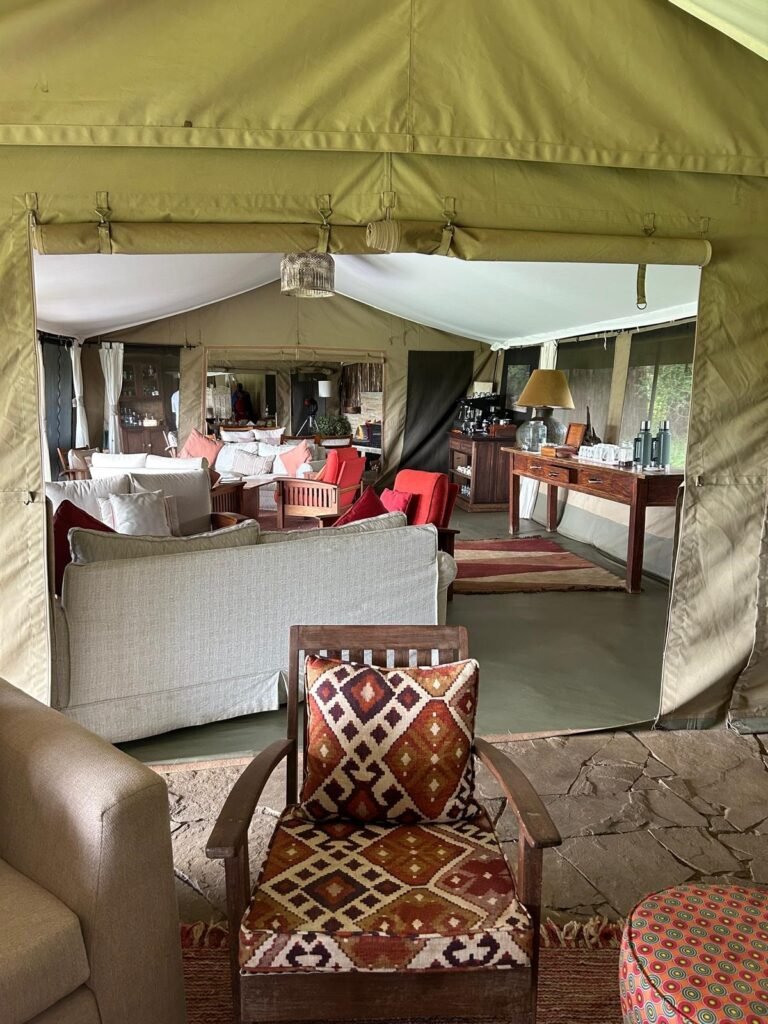
It’s a rhythm that feels timeless and increasingly rare.
Final Thoughts
Kicheche Mara Camp delivers exactly what a modern safari should: exceptional wildlife, low-impact tourism, and a genuine connection to conservation on the ground.
What elevates the experience is the context. Understanding how Mara North Conservancy operates, seeing projects like Elephant Mara in action, and recognising the direct link between tourism and conservation gives real depth to every sighting.
This is not just a place to see wildlife, it’s a place to understand what it takes to protect it.
For those seeking an authentic, conservation-led safari in Kenya, Kicheche Mara Camp stands out as one of the very best. Three nights felt like a perfect introduction but like all truly special places, it leaves you wanting to return.
If you’d like to experience the magic of this wonderful camp, look at the Explorers travel itineraries to Kenya – not only do you get an unforgettable safari but in going you support our work at no cost to you.