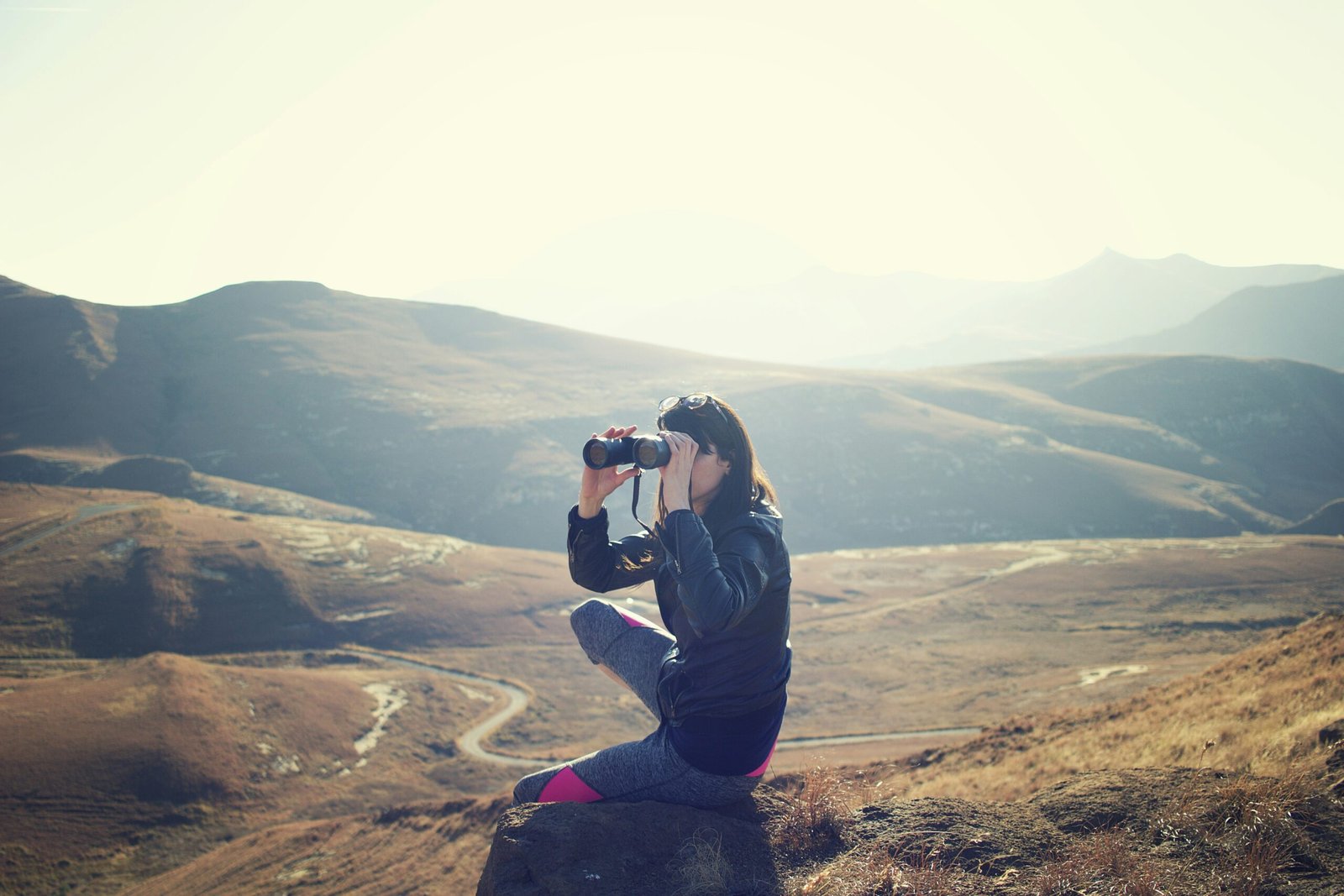
Whether you’re an experienced naturalist or just beginning to explore the outdoors, having the right equipment can make every wildlife adventure more enjoyable and productive. From woodland walks and birdwatching sessions to pond surveys and insect spotting, a well-prepared kit helps you observe wildlife responsibly while staying comfortable in changing conditions.
The best wildlife kit isn’t about carrying every gadget available; it’s about choosing practical, reliable essentials that suit your interests and the environments you explore.
A Reliable Pair of Binoculars
Binoculars are one of the most valuable tools for any wildlife enthusiast. They allow you to observe birds, mammals, and other animals from a respectful distance without causing unnecessary disturbance.
Look for a lightweight pair that offers clear optics and feels comfortable to hold for long periods. A good neck strap or harness can also make a big difference during extended walks, reducing strain while keeping your binoculars close at hand whenever an exciting sighting appears.
A Notebook for Wildlife Records
Recording your observations is an excellent way to improve your identification skills and build a personal record of local wildlife. A small waterproof notebook or weather-resistant journal is ideal for taking notes outdoors.
You might record:
- Species spotted
- Dates and times
- Weather conditions
- Behaviour observed
- Habitat details
Over time, these notes can reveal seasonal patterns and help you appreciate changes in local biodiversity.
Field Guides and Identification Resources
Even experienced wildlife watchers regularly come across unfamiliar species. Carrying a compact field guide or using an identification app can help confirm what you’ve seen while the details are still fresh.
Field guides covering birds, butterflies, dragonflies, mammals, fungi, or wildflowers are invaluable, depending on your area of interest. Learning to identify species accurately also contributes to citizen science projects and local conservation efforts.
Weather-Appropriate Clothing
Wildlife rarely waits for perfect weather, so dressing appropriately makes every outing far more comfortable.
Layered clothing helps regulate your temperature throughout the day, while waterproof outerwear protects against unexpected showers. Sturdy walking boots with good grip are particularly useful when exploring muddy trails, wetlands, or uneven woodland paths.
Neutral or muted colours are also worth considering, as they allow you to blend more naturally into your surroundings without drawing unnecessary attention from wildlife.
A Camera for Memorable Sightings
Photographing wildlife allows you to revisit special encounters long after you’ve returned home. While professional cameras produce impressive results, even a smartphone can capture excellent images with patience and good lighting.
Photographs also provide useful references for later identification, especially when observing insects, fungi, or plants with subtle distinguishing features.
Remember that patience often produces better photographs than trying to get too close. Giving wildlife plenty of space benefits both the animals and your chances of capturing natural behaviour.
Practical Accessories You Shouldn’t Forget
Small accessories often prove just as useful as larger equipment. A reusable water bottle keeps you hydrated during longer outings, while snacks help maintain energy on all-day excursions.
Other useful additions include:
- A small first aid kit
- A torch or headlamp
- Spare batteries or a power bank
- Hand sanitiser
- A reusable bag for litter
Being prepared means you can stay focused on enjoying nature rather than dealing with avoidable inconveniences.
Choosing Quality Wildlife Equipment
As your interest grows, you may wish to expand your collection with specialist tools suited to your favourite activities. Whether you’re interested in birdwatching, bat surveys, insect recording, mammal monitoring, or botanical studies, investing in dependable equipment can improve both your experience and the quality of your observations.
You’ll find a wide selection of NHBS wildlife equipment designed to support naturalists, conservationists, and wildlife enthusiasts of all experience levels.
Enjoy Nature Responsibly
The most important item in any wildlife kit is a respectful attitude towards nature. Keep a safe distance from animals, stay on designated paths where appropriate, avoid disturbing nests or habitats, and leave every location exactly as you found it.
With the right equipment and a thoughtful approach, every trip outdoors becomes an opportunity to learn something new. Whether you’re spotting your first kingfisher, identifying butterflies in a meadow, or listening for owls at dusk, a well-prepared wildlife kit helps you make the most of every adventure while supporting responsible enjoyment of the natural world.
Image: Unsplash, Pawel Janiak