How knowing individual elephants is helping shape conservation in Kenya
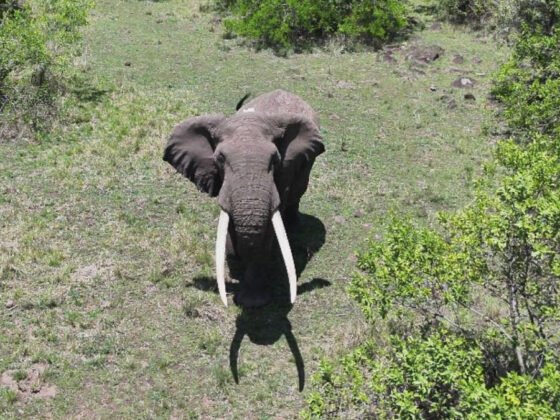
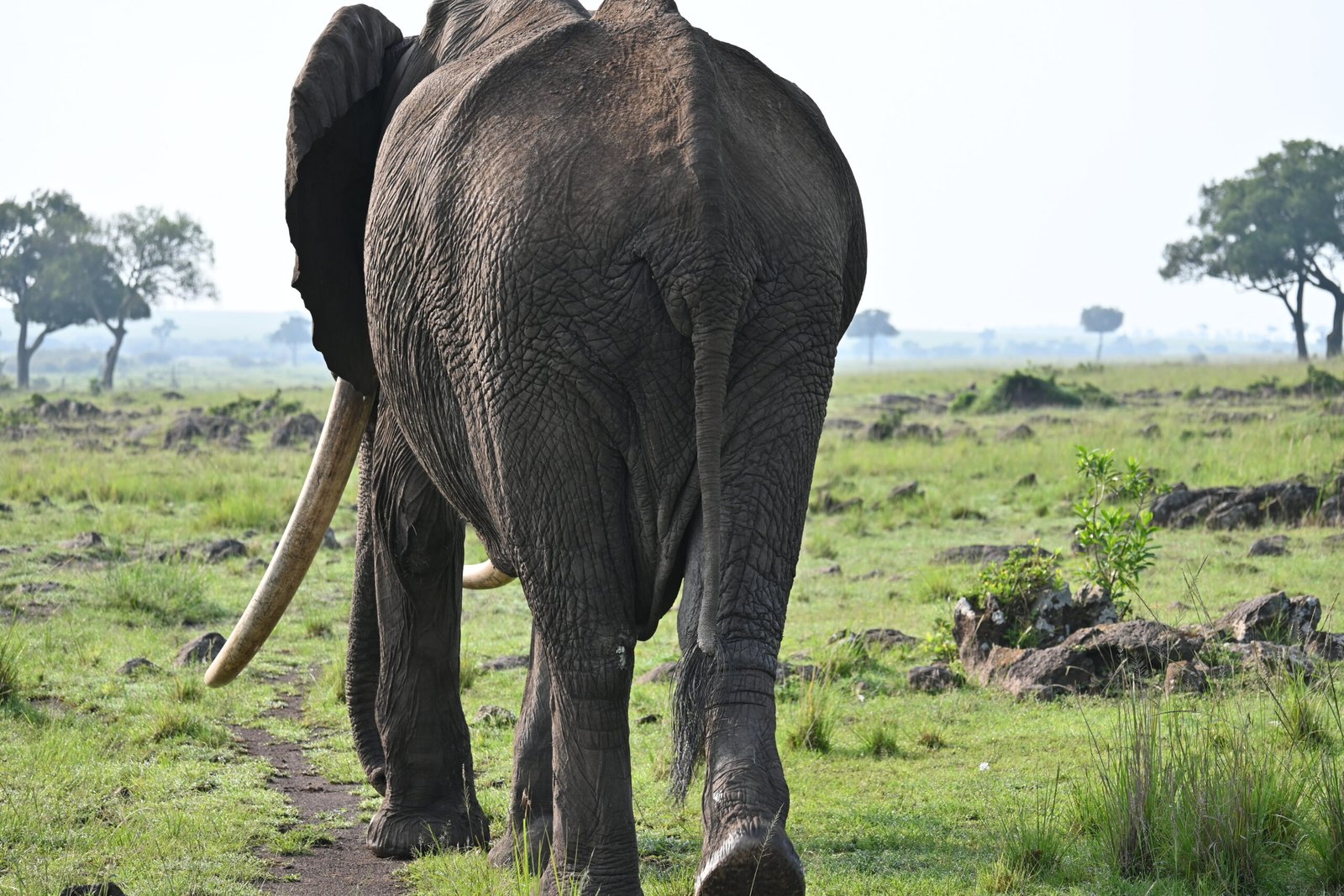
We filmed these two magnificent bulls during our visit to the Mara Elephant Project (MEP) in Kenya this February. At first glance they look like any pair of mature elephants feeding peacefully across the plains. Look a little closer, and you’ll notice an important difference.
Fred wears a satellite collar, allowing conservationists to follow his movements in near real time. Flopsy Lopsy has no collar at all, yet he is just as well known, recognised instantly by his distinctive floppy left ear, missing tail and broken left tusk.
Together they represent two of the most important tools in modern elephant conservation: satellite tracking and photographic identification.
Fred
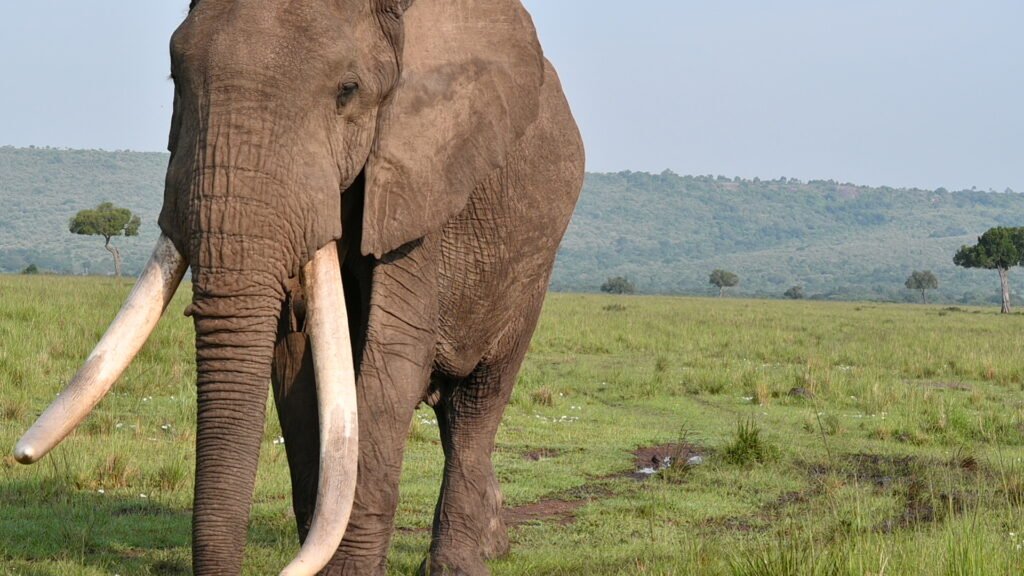
Now around 50 years old, Fred is one of the Maasai Mara’s largest and best-known bull elephants. He was first collared by MEP, the Kenya Wildlife Service and research partners in 2013. I first encountered this magnificent bull in 2016, and it was a privilege to see him again almost a decade later.
His collar has been replaced several times since, creating more than ten years of uninterrupted movement data. That long-term record reveals far more than where an elephant has travelled. It shows how he responds to drought, changing land use, expanding settlements, new roads and shifting patterns of human activity across the Mara ecosystem.
This knowledge underpins conservation strategy. Tracking data identifies critical wildlife corridors, reveals seasonal movement patterns and predicts when elephants are likely to approach farms, allowing ranger teams to intervene before conflict develops.
Fred is a perfect example. Once known for opportunistic crop-raiding alongside fellow bulls Hugo and Kegol, he now spends much of his time within the conservancies. When elephants do move towards farmland, geo-fence alerts notify MEP’s operations team, who can respond using a range of non-lethal deterrents, including thermal drones, firecrackers and, in exceptional circumstances, helicopter support. The aim is always the same: keep elephants moving safely while preventing losses for local communities.
Technology is only part of the solution.
Explorers Against Extinction supports MEP’s Crops for Coexistence programme, helping farmers replace vulnerable food crops with commercially valuable alternatives such as rosemary grown for essential oils. By making farmland less attractive to elephants while creating new income streams, the programme tackles the root causes of human-elephant conflict.
The results are already encouraging. The coexistence farm doubled its rosemary harvest from two to four tonnes, while the first two out-grower groups produced a combined 4.4 tonnes of fresh rosemary during their inaugural harvest. MEP has also secured an 80-litre essential oil distillation unit, allowing the crop to be processed locally and increasing its value to participating communities.
Flopsy Lopsy
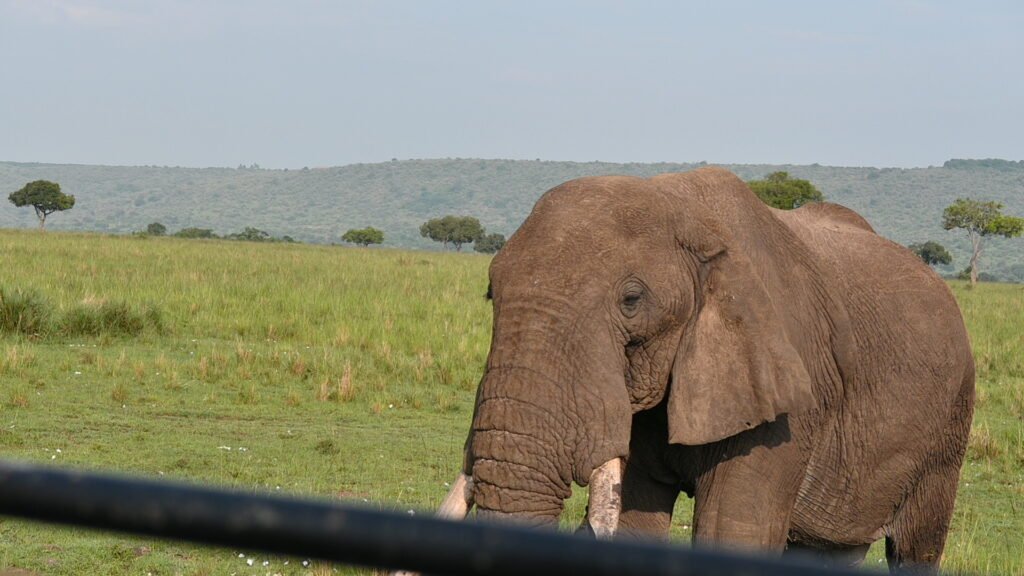
Flopsy Lopsy demonstrates that not every elephant needs a collar to be monitored.
His distinctive ear shape, missing tail and broken tusk make him instantly recognisable to researchers. Every sighting records where he was, which elephants he was associating with and how his appearance changes over time, adding another valuable piece to the puzzle of elephant society.
These observations are recorded in ElephantBook, a powerful identification system developed by MEP and its technology partners. Researchers first tag each elephant’s unique physical characteristics using a standardised protocol known as SEEK (System for Elephant Ear Pattern Knowledge).
From there, artificial intelligence takes over. Because every elephant’s ears are as distinctive as a human fingerprint, ElephantBook uses a deep-learning algorithm called CurvRank to identify individuals automatically. The software detects elephant ears with around 95% accuracy, analysing the unique combination of curves, tears, notches and holes along each ear’s edge before matching them against thousands of existing records.
Every Sighting Matters
Together, satellite collars and photographic identification provide an increasingly detailed picture of how the Mara’s elephants use an ever-changing landscape.
The two techniques complement one another perfectly: collars reveal precise movements in real time, while visual identification allows researchers to monitor many more elephants throughout their lives without fitting tracking devices.
The information gathered helps conservationists protect vital wildlife corridors, understand social relationships between elephants, anticipate human-elephant conflict and make informed decisions about the future management of one of Africa’s most important wildlife ecosystems.
Watching wild elephants is a privilege. This encounter was a reminder that every tracked journey, every identified elephant and every recorded sighting contributes to a much bigger picture, helping ensure these remarkable giants continue to roam the Maasai Mara for generations to come.