A safari creates a rare opportunity to see wildlife in the landscapes where it naturally belongs. Yet the way a trip is planned can influence those same ecosystems long after visitors return home. Choosing a responsible Uganda safari with Africa Safari Trips means looking beyond wildlife sightings and considering how park fees, accommodation, transport, guides and visitor behaviour affect conservation. Across East Africa, well-managed tourism can provide funding and economic incentives for protecting habitats. The challenge for travellers is knowing which choices genuinely support wildlife and which simply carry a sustainable label.
How safari tourism creates an economic reason to protect wildlife
Wildlife conservation requires long-term funding. Rangers need equipment and training, protected areas require management, habitats must be monitored and communities living near wildlife need viable sources of income.
Tourism can contribute to this system when visitor spending reaches protected areas and the people surrounding them. National park entrance fees, wildlife permits and conservation levies can help finance management activities. Safari businesses, guides, lodges and local suppliers also create employment connected to keeping natural areas intact.
This matters because wildlife often shares land with farming, livestock and growing communities. When healthy ecosystems provide sustainable economic opportunities, protecting them can have tangible value beyond conservation alone.
Tourism is therefore most useful when it supports an entire conservation landscape rather than concentrating spending within a small number of isolated properties.
Why controlled wildlife encounters matter
Responsible wildlife tourism is not simply about visiting a protected area. How visitors encounter animals matters just as much.
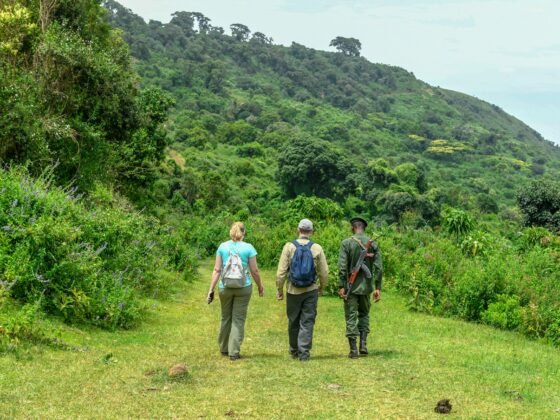
Uganda’s mountain gorillas provide a good example. Trekking is carefully managed because repeated or uncontrolled contact could disturb the animals and increase pressure on their forest habitat. Permits restrict access while generating income connected to conservation.
Explorers Against Extinction explains in its guide to gorilla trekking in Uganda that permit revenue helps support ranger patrols, veterinary care, habitat protection and communities living around the forest.
Similar principles apply during game drives. Responsible guides maintain appropriate distances, avoid blocking animals and resist the temptation to chase sightings. A quieter encounter may produce fewer dramatic photographs, but it places less pressure on wildlife.
Choosing an itinerary that reduces unnecessary pressure
Safari itineraries can also influence environmental impact. Trying to visit too many parks in a short period often means long transfers, additional fuel use and less time spent in each destination.
A more considered itinerary usually focuses on fewer areas and allows longer stays. This approach can reduce unnecessary transport while giving travellers more time to understand an ecosystem instead of simply collecting sightings.
Season and location matter too. Visiting less crowded areas or travelling outside the busiest periods can spread tourism income more evenly. It may also reduce vehicle congestion around popular wildlife sightings.
In Uganda, combining forest experiences with savannah parks can distribute visitor spending across several regions. The objective is not necessarily to travel less, but to design each journey more deliberately.
Local expertise connects tourism with conservation
Responsible safari travel depends heavily on decisions made on the ground. Local guides understand animal behaviour, park regulations, seasonal conditions and the practical realities facing nearby communities.
Africa Safari Trips operates with teams based in Africa and organises tailor-made private safaris. This African safari specialist uses private guides and flexible itineraries, which can help travellers adapt a journey to specific destinations and activities rather than relying on a rigid mass-tourism programme.
Local expertise is particularly valuable when wildlife rules vary between parks. A knowledgeable guide can explain why certain roads are restricted, why vehicles should remain at a distance or why an animal should not be approached more closely.
That turns responsible travel from an abstract principle into everyday decisions during the safari.
Accommodation choices affect more than energy use
Eco-friendly accommodation is often associated with solar power, water-saving systems and reduced plastic use. These measures matter, but responsible lodge selection should go further.
Travellers can also consider where food and services are sourced, whether local people are employed and trained, and how the property interacts with surrounding communities and wildlife corridors.
Location is another important factor. A lodge that operates thoughtfully within an established tourism area may place less pressure on habitat than poorly planned development in an ecologically sensitive location.
Questions worth asking include:
- Does the accommodation minimise water and energy consumption?
- Are local employees and suppliers part of its operation?
- Does the property support conservation or community initiatives?
- Are wildlife interactions managed responsibly?
- Is waste handled appropriately in a remote environment?
No single feature proves that a lodge is sustainable. The overall operating model matters more than one visible eco-friendly measure.
Responsible behaviour continues after the safari starts
Travellers themselves also influence wildlife protection. Following park rules, keeping noise low and refusing activities that encourage inappropriate animal contact are simple but important actions.
Visitors should avoid feeding wildlife, requesting guides to drive off-road where this is prohibited, or pressuring them to approach animals too closely. Buying responsibly sourced local products can also direct more tourism spending into nearby economies.
Photography requires restraint as well. An animal changing direction, repeatedly looking towards a vehicle or abandoning its normal behaviour can indicate disturbance. The quality of an encounter should never depend on forcing wildlife to stay close.
Responsible safari travel cannot solve every conservation challenge facing East Africa. It can, however, help ensure that tourism provides practical value to protected areas, local communities and the people working to safeguard wildlife. The most meaningful safari is therefore not only measured by what travellers see, but also by how carefully they choose to experience it.
Image: Unsplash, Max Christian