Safari packing usually focuses purely on comfort and practicality, while the choices behind what actually goes in the bag rarely get considered from a conservation angle. A traveller drawn to a destination specifically because of its wildlife and conservation work rarely stops to think that their own packing list could either support or quietly undermine the very mission that brought them there in the first place. Here is a look at packing thoughtfully for a trip that supports the places and communities it visits, not just the traveller passing through them.
Why Packing Choices Matter on Safari
The Environmental Footprint of Travel Gear
Single-use plastics and disposable items add up across a trip, particularly once multiplied across the number of travellers visiting the same protected areas each season throughout the year. Small packing choices have a real impact in fragile, protected environments, where waste disposal infrastructure is often far more limited than travellers assume, especially once away from the nearest larger town or city.
A single plastic bottle discarded in a remote conservation area carries a weight far beyond its size, since limited local infrastructure means it may sit there for years rather than being properly processed or recycled.
Supporting Local Economies Through What You Pack
Buying supplies locally, rather than bringing everything from home, puts money directly into the communities a safari visits rather than leaving it entirely with businesses back home that never see the destination at all. This small shift puts money directly into the communities a safari visits, supporting the same local economies that often benefit most directly from conservation efforts and rely on tourism income to sustain them.
A traveller who buys locally, even for small items like snacks or basic toiletries, contributes directly to a local economy in a way that packing everything from a supermarket at home simply cannot replicate.
Sustainable Clothing and Gear Choices
Choosing Durable Over Disposable
Quality clothing built to last multiple trips, rather than fast-fashion safari wear bought for a single occasion, reduces the cycle of disposable purchases that accumulate waste over time across a traveller’s life. Durability matters more than a trip-specific wardrobe, since well-made gear serves a traveller across years of future trips rather than ending up discarded after one, its usefulness exhausted the moment the holiday ends.
A single well-made shirt worn across several safaris over the years represents a far smaller environmental footprint than several cheaper versions bought and discarded along the way.
Ethically Sourced and Sustainable Fabrics
Natural, breathable fabrics with a lower environmental footprint suit safari conditions well while reducing the impact of synthetic materials that take considerably longer to break down once discarded. This choice supports both comfort and conservation values, aligning practical safari needs with the broader mission behind the trip itself in a way that feels genuinely consistent rather than contradictory.
Choosing fabrics with sustainability in mind rarely means sacrificing performance, since many natural, breathable materials perform just as well in hot, dusty safari conditions as their synthetic alternatives.
Reducing Single-Use Plastic on Safari
Reusable Water Bottles and Filtration
Cutting down on plastic bottle waste matters considerably in areas with limited recycling infrastructure, where plastic waste often has nowhere sustainable to go once generated. A good filtration bottle solves both a practical and environmental problem, providing safe drinking water without contributing to a growing pile of discarded plastic bottles left behind by travellers passing through.
A single reusable bottle, used consistently across a two-week trip, can easily prevent dozens of single-use plastic bottles from ever entering the local waste stream in the first place.
Rethinking Toiletries and Packaging
Solid toiletries and refillable containers, rather than single-use plastic bottles, reduce the amount of packaging waste a traveller generates across a trip from start to finish. This small switch reduces waste in remote areas without proper disposal systems, where plastic waste can linger for years without any realistic path to proper disposal or recycling.
Solid shampoo bars and refillable containers have become considerably easier to find and use in recent years, removing much of the inconvenience that once made this switch feel like a genuine sacrifice.
Supporting Conservation Through Everyday Choices
Buying Local Crafts and Supplies
Choosing locally made goods over imported alternatives, where possible, directs spending toward the communities living alongside conservation areas rather than distant manufacturers with no real connection to the destination. This directly supports the communities living alongside conservation areas, communities whose cooperation and goodwill often matter enormously to conservation success in ways that rarely get discussed openly.
A locally made souvenir, purchased directly from an artisan or a community cooperative, tends to hold far more genuine meaning than a mass-produced item bought from a generic gift shop.
Packing Items That Give Back
Products from brands that contribute to conservation or community projects turn an ordinary purchase into something that supports the broader mission behind the trip in a small but genuine way. These small choices add up across thousands of travellers each year, creating a meaningful cumulative impact from individually modest purchases that rarely feel significant on their own.
Researching a handful of these brands before a trip, rather than making purchasing decisions purely on convenience, tends to turn routine packing into something more aligned with the values behind the trip itself.
Practical Safari Essentials With a Conscious Choice Behind Them
Sun and Insect Protection Done Responsibly
Reef-safe and eco-conscious sunscreen and repellent options protect travellers without introducing harmful chemicals into sensitive water sources encountered along the way. Standard products can harm sensitive ecosystems, particularly near water, where certain chemical ingredients have a documented negative impact on aquatic life that few travellers ever stop to consider.
Checking a product’s ingredient list before packing, rather than assuming any sunscreen or repellent will do, catches most of the more harmful options before they ever make it into the bag. Anyone who wears vision correction might also want to pack a spare pair of affordable contact lenses alongside these essentials, since dust and long, hot days on safari can make glasses less practical for extended time outdoors.
Binoculars and Field Guides Worth Investing In
Quality optics that last for years of future trips, rather than a single-use purchase, serve a traveller far better across a lifetime of wildlife viewing than a cheap, disposable pair bought only for one occasion. A good pair of binoculars supports genuine engagement with wildlife viewing, turning a distant sighting into a genuinely memorable, up-close experience that a cheaper pair simply cannot match.
Investing properly in this one piece of gear tends to pay off considerably across every future trip, given how central genuinely good optics are to the whole safari experience itself.
Packing Light Without Sacrificing What Matters
Prioritising Multi-Use Items
Choosing gear that serves more than one purpose reduces overall packing without sacrificing genuine usefulness during the trip itself. Lighter luggage also means a smaller transport footprint, since less weight translates directly into lower fuel consumption across flights and transfers involved in reaching a remote safari destination.
A single, well-chosen piece of gear that serves two or three purposes tends to be worth considerably more than several single-purpose items each earning only occasional use.
What to Deliberately Leave Behind
Items that seem useful but rarely get used add unnecessary weight without providing much genuine value during the actual trip once everything is properly considered. Restraint in packing reflects the same mindful approach as the trip itself, treating each item in the bag as a deliberate choice rather than an automatic inclusion carried along out of habit.
Reviewing a packing list critically before departure, removing anything that didn’t genuinely earn its place on a previous trip, tends to produce a noticeably lighter and more thoughtfully packed bag over time.
The Bottom Line
A safari packing list can reflect the same values that bring travellers to these destinations in the first place. Thoughtful choices, made before the trip even begins, support the conservation efforts and communities a safari depends on.
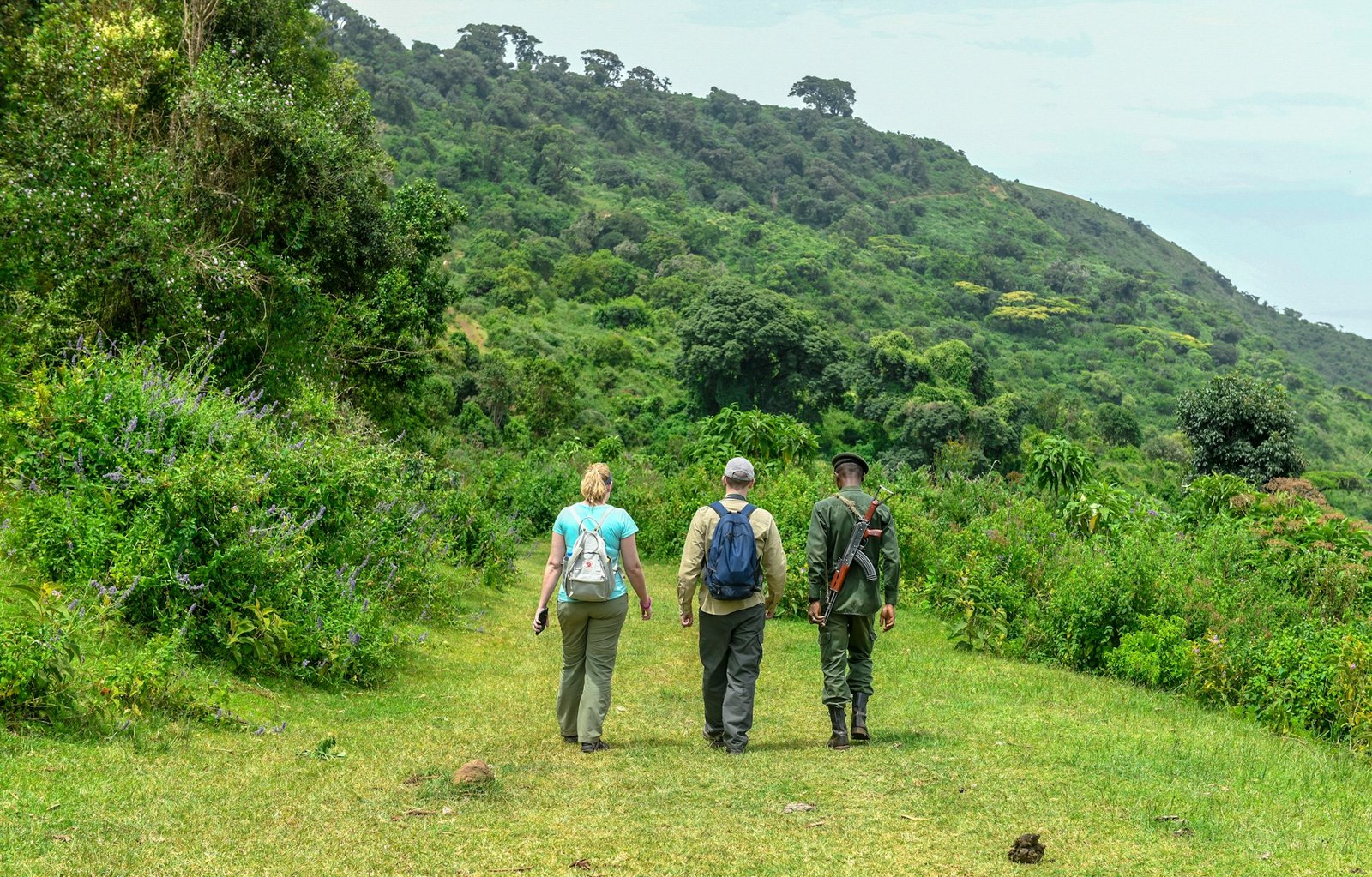
Photo by Samwel Nsyuka on Unsplash