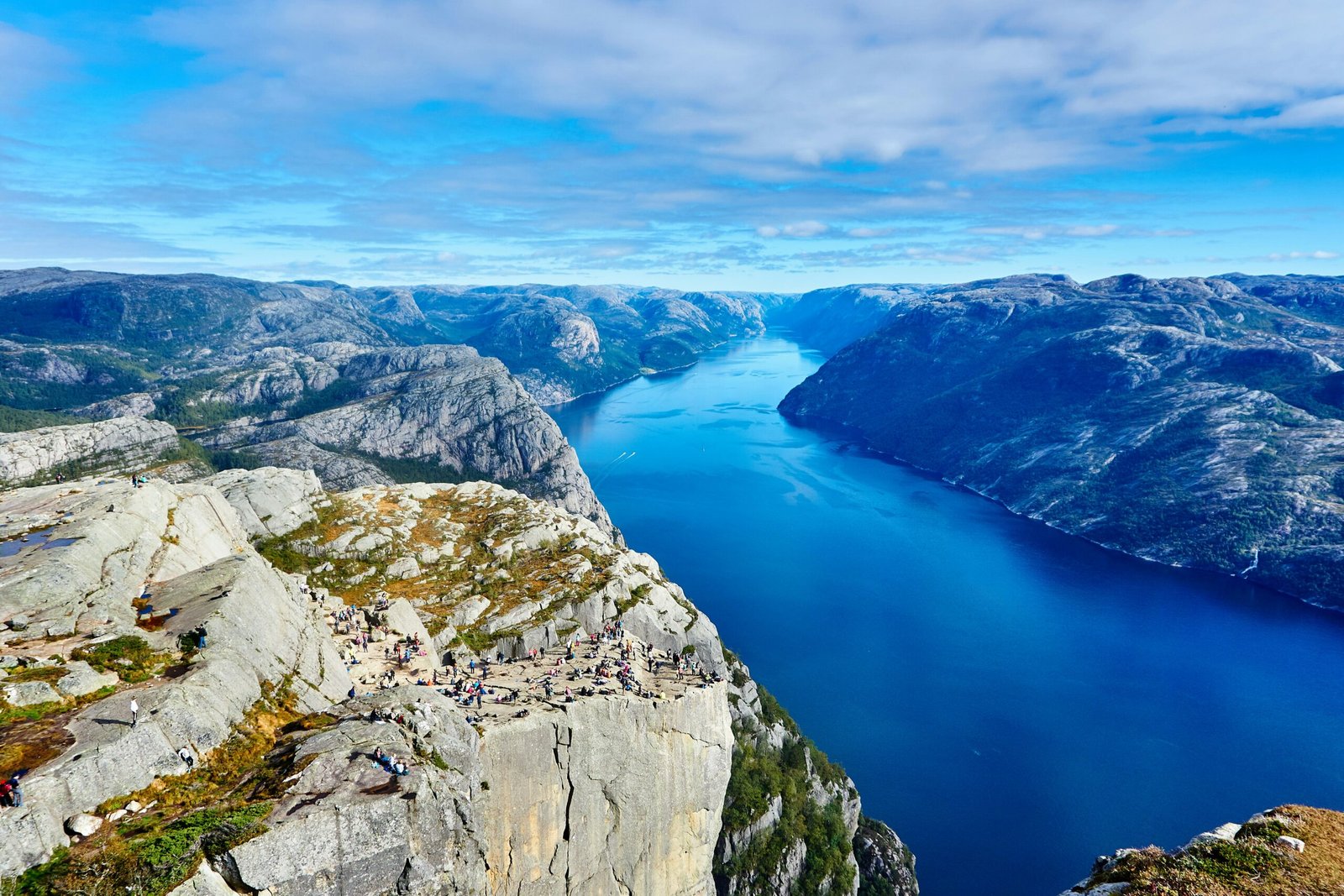
A walk along the coast can reveal plenty of wildlife, but heading onto the water gives you a different perspective. Cliffs reveal hidden ledges, and marine animals move through the waters around you. Even a familiar coastline can look surprisingly different from offshore. Travelling by sea encourages you to pay attention to the journey rather than the destination. As the landscape changes, you can watch for wildlife and see how animals use places that people rarely reach.
Discover Remote Wildlife Habitats
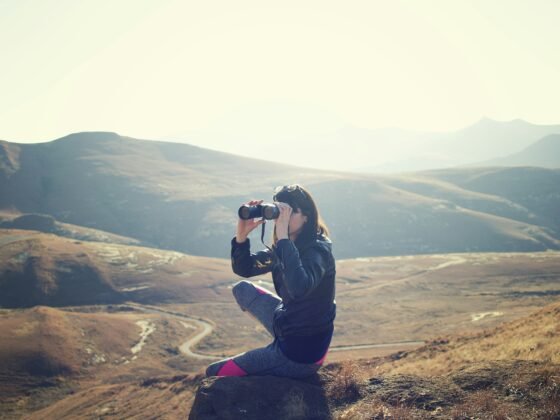
Many important wildlife habitats lie far from roads and walking routes. Offshore islands and isolated cliffs can support breeding seabirds and seals, partly because fewer people disturb them. Travelling by sea lets you see these habitats without needing to cross sensitive ground. Around Britain, for example, steep cliffs provide nesting sites for puffins, guillemots and gannets. From offshore, you can appreciate the scale of a colony while seeing why inaccessible ledges offer useful protection. Take binoculars so you can watch animals from a suitable distance without disturbing them.
See Marine Life in Its Natural Environment
Watching marine animals in the wild can help you understand behaviours that are difficult to appreciate elsewhere. Dolphins may travel in groups and whales surface as they move through feeding or migration areas. You can also notice relationships between different species. A group of seabirds repeatedly diving into one patch of water may indicate fish below the surface. Scan different sections of the water regularly, as fins and other signs can appear briefly.
Access Spectacular Yet Hard-to-Reach Landscapes
Some coastal landscapes become easier to appreciate from offshore. Sea stacks and sheer cliffs may remain hidden from roads, while difficult terrain can put the best land-based viewpoints beyond reach for many visitors. From the water, you can see how waves have shaped headlands and exposed layers of rock. You might also encounter secluded coves or waterfalls that remain invisible from nearby paths.
The view can reveal connections between geology and wildlife as well. Narrow cliff ledges, for instance, create nesting space for seabirds while helping protect them from many land predators.
A Voyage Can Bring You Closer to Nature
A longer journey gives you time to notice how wildlife changes between regions. Instead of simply arriving at a coastal destination, you experience the waters connecting different habitats. That can make going on a Fred Olsen cruise particularly interesting when an itinerary follows wildlife-rich coastlines or visits remote islands. Time on deck might give you opportunities to watch seabirds or look for marine mammals before exploring another environment ashore.
Bring the Sea Into Your View of Nature
Exploring from the water can change how you understand the coast. Rather than seeing the shoreline as the edge of a landscape, you begin to recognise how closely terrestrial and marine habitats connect. A seabird leaving its cliff nest to feed offshore or a seal moving between islands shows that wildlife rarely follows the boundaries people place on maps. Once you have watched those movements yourself, your next coastal walk may feel different. Looking out to sea becomes more than admiring a view: you can start thinking about the wildlife activity continuing beyond the horizon.
Image: Unsplash, Oleksii Topolianskyi