The Situation on the Ground
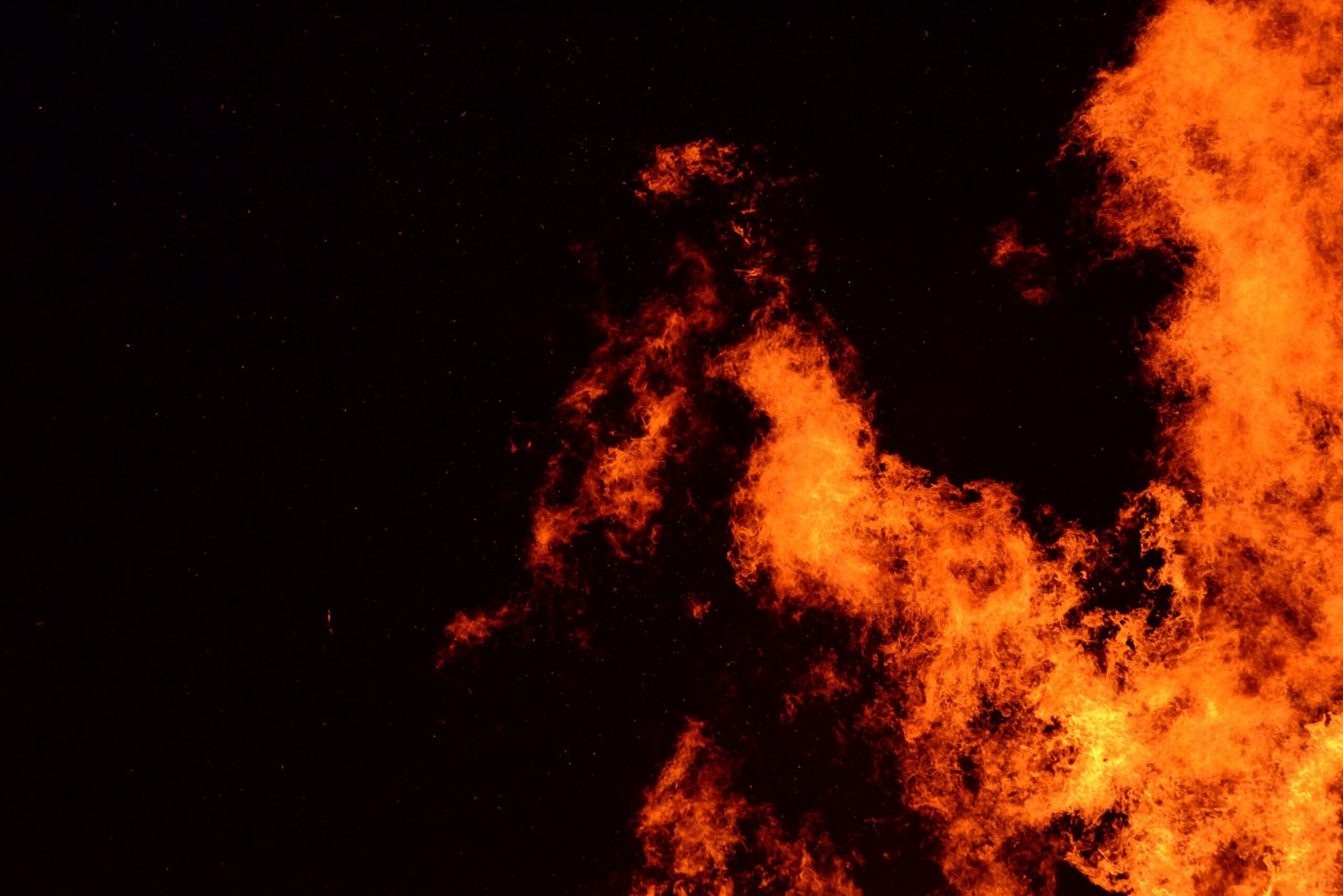
Over the past week, a vast wildfire has swept across parts of Etosha National Park in northern Namibia. First detected on 22 September, the blaze has scorched more than 775,000 hectares inside the park – over one third of its area – with a further 171,000 hectares outside its boundaries also affected.
“The wildfires, which began on 22 September 2025 in the south-western part of the park due to suspected charcoal production activities on bordering commercial farms, have since spread to the western, central, and southern zones of ENP. The most affected areas include Dolomite (north and south), Okatutu, Renostervlei, Jackalswater, Halali, and the area between Olifantbad and Halali. Fires have also extended beyond ENP into communal areas in the Omusati and Oshana Regions, severely affecting grazing land and wildlife habitats. Several villages have been impacted, including Omutambo-gomawe, Okambango, Okerine, Onghunya, Osagalwa, Omalika, and Ovenduka, among others.”
— Indileni Daniel, Namibia’s Minister of Environment
The response has not been without controversy. Many local voices have criticised the initial firefighting effort as slow and under-resourced. In recent days, however, Namibia has deployed over 500 soldiers, specialist teams, and two helicopters to help contain the fires. Farmers and local volunteers also joined the effort, and authorities now report the worst fronts are under control.
The full extent of wildlife and habitat loss is still being assessed. Reports confirm that antelope and other species have perished, though one pangolin was successfully rescued from the blaze. The long-term ecological impact will take months, if not years, to understand.
Impact on Tourism
While the scale of the fires is significant, it is important to stress that tourism to areas of Etosha remain open and safe.
Our partners on the ground, including Onguma Safari Camps on the eastern border of the park, confirm that the fire remains approximately 80 km west of their lodges, with no direct threat to guests or property.
- Guests at Onguma continue to enjoy normal game drives, guided walks and lodge services.
- Depending on wind direction, smoke may be visible on the horizon or create hazy sunsets, but air quality and wildlife viewing remain excellent.
- Travel to Onguma and the eastern sector of Etosha is unaffected, though some deeper areas of the park may have limited access while firefighting operations continue.
Environmental Perspective
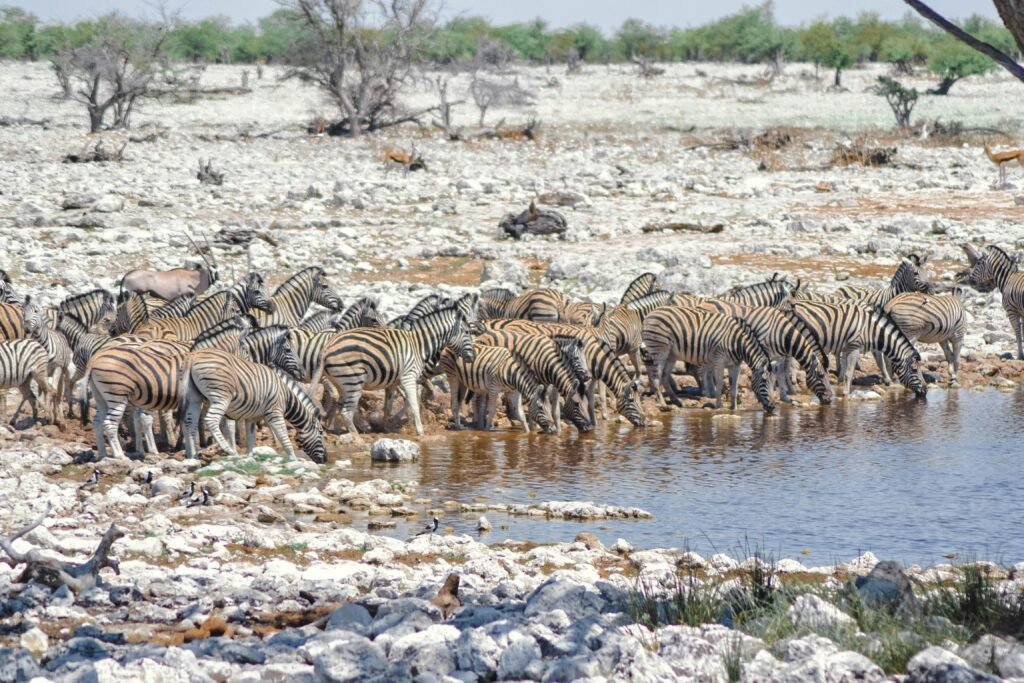
Wildfire is not new to Namibia. The country’s long dry season (May–October) often sees bushfires sparked by lightning, human activity, or agricultural burning. Fire can play a natural role in shaping the savanna ecosystem, clearing old grasses and encouraging new growth.
The scale of this year’s blaze is exceptional, however, fuelled by strong winds and dry vegetation. It reflects the increasing risks posed by climate change and shifting land-use patterns. In semi-arid environments like Etosha, large fires can temporarily devastate grazing grounds, displace wildlife, and put pressure on waterholes until the rains arrive in November. While recovery is possible – many African ecosystems are fire-adapted – the frequency and intensity of such fires is a growing concern for conservationists.
Summary
At this stage:
- Tourism to many parts of Etosha, including the eastern boundary remains unaffected and safe at this time.
- Travellers should be reassured that partner lodges are well-prepared, in close contact with park authorities, and have contingency plans in place.
- If you are due to travel imminently, please contact your agent or travel specialist for the latest updates and advice.
- The ecological impact is significant, and monitoring will continue in the months ahead.
As a conservation charity promoting responsible travel, we remain committed to supporting our partners on the ground, providing accurate information to travellers, and raising awareness of the broader environmental issues highlighted by these events.
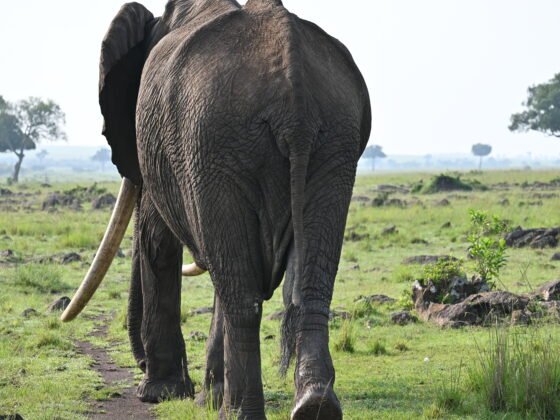
Image: Unsplash, Artur Rekstad